English
 Español
 Deutsch
 日本語
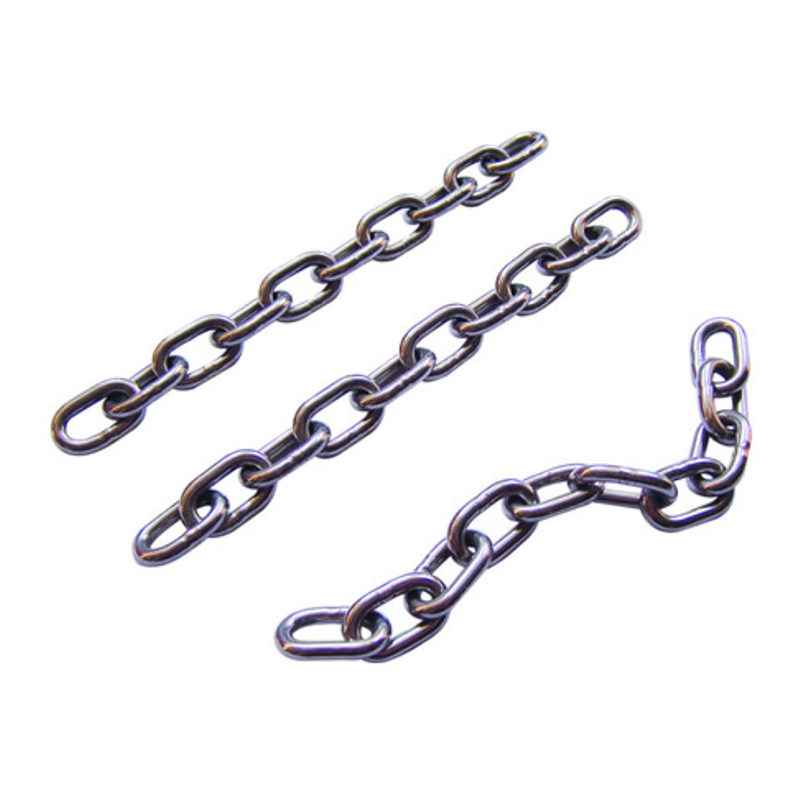
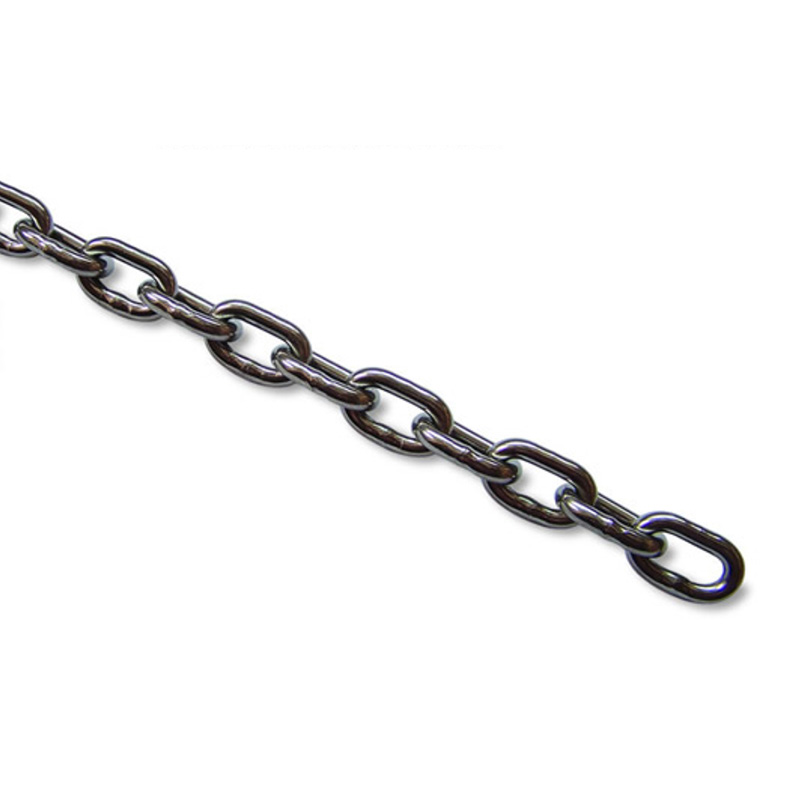
日本語A heavy industrial chain is only as strong as its weakest component, and in most chains that means the pins, bushings, and rollers matter just as much as the links themselves. Buyers who evaluate the whole assembly, not just the advertised breaking load, end up with equipment that holds up through years of continuous mining, steel mill, or cement plant operation.
What a Heavy Industrial Chain Is Built From
Each component plays a distinct role: links carry the load path, pins hold links together under tension, bushings reduce friction against the pins, and rollers engage sprockets to transmit rotational movement smoothly.
How Power and Load Move Through the System
As the chain engages a sprocket, rotational force transfers from link to link along the loop, while reinforced structures distribute pulling force across the full chain rather than concentrating it at one point. This is what allows a heavy industrial chain to move continuous loads through a conveyor or transmit power through a drive system without stretching or deforming under normal operating stress.
Heavy Industrial Chain vs Standard Industrial Chain
Heavy Industrial Chain
Reinforced alloy steel, high fatigue resistance, built for mining, steel, and cement environments, requires scheduled lubrication and inspection.
Standard Industrial Chain
Standard steel materials, moderate durability, suited to general conveyors and lighter indoor equipment, lower maintenance need.
Advantages That Justify the Higher Spec
- Handles continuous high-load operation without the mechanical losses standard chains develop over time
- Resists abrasion and contamination in mining, cement, and outdoor environments
- Maintains stable performance under vibration and dynamic loading in heavy machinery
- Reduces unplanned downtime by extending service intervals between replacements
Where Material Grade Matters Most
| Condition | Recommended Grade | Reason |
| High-temperature lines | Heat-treated alloy steel | Retains strength under thermal stress |
| Abrasive mining material | Hardened alloy steel | Resists surface wear from repeated contact |
| Marine or humid sites | Stainless or coated steel | Prevents corrosion-driven failure |
Manufacturing Steps Behind the Numbers
Production begins with raw steel cutting, followed by precision machining of pins, bushings, and rollers before assembly. Heat treatment, hardening, quenching, and tempering, is applied after assembly to set final strength and fatigue performance, and every batch goes through tensile, breaking load, and fatigue testing before it ships.
Specification Checklist Before Ordering
- Confirm working load capacity against actual continuous operating force, not peak load alone
- Match chain pitch and roller diameter to your existing sprockets and drive system
- Request heat treatment and hardness test data for the specific batch, not a generic spec sheet
- Check the supplier's engineering support for custom attachments or non-standard configurations
Getting the component grade, heat treatment, and pitch right up front is what keeps a heavy industrial chain running through years of continuous industrial duty instead of failing at its weakest link.