English
 Español
 Deutsch
 日本語
日本語Introduction
Ratchet straps are essential cargo control tools used in various industries, including logistics, transportation, and construction, to ensure the safe and secure transport of goods. When securing loads, it is crucial to choose the right type of ratchet tie down that suits the specific needs of the load being transported. Understanding the different types of ratchet straps and their applications can significantly affect load security, minimizing the risk of damage during transit.
What Are Ratchet Straps?
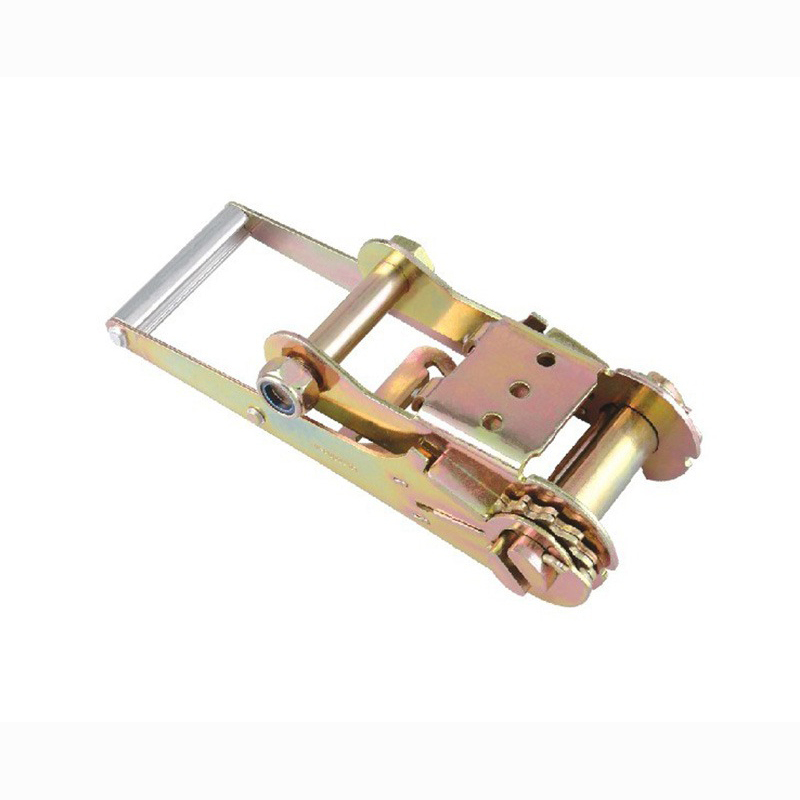
Ratchet straps, also known as ratchet tie downs, are tensioning devices used to secure cargo during transport. They consist of a strong webbing, typically made from polyester, and a ratchet mechanism that allows for the tightening of the strap around the load. The ratchet mechanism ensures that the strap maintains a high level of tension, preventing the load from shifting or coming loose during transit.
The key components of a ratchet strap include:
Webbing: Usually made from durable, weather-resistant materials such as polyester or nylon.
Ratchet mechanism: Allows for precise tightening of the strap around the load.
Hooks: These are used to attach the strap to the cargo or anchoring points.
Ratchet straps are widely used in industries that require secure load transportation, such as trucking, freight, and construction, where safety is paramount.
Types of Ratchet Straps
Ratchet straps come in various types, each designed for different load securing applications. Below are some common types of ratchet straps, along with their specific features:
Standard Ratchet Straps
Standard ratchet straps are the most commonly used type. They consist of a polyester webbing material and a metal ratchet mechanism. These straps are designed for securing loads of moderate weight, such as household goods, machinery, and equipment. They are available in various lengths and widths, allowing for customization based on the load’s size.
Features:
Durable polyester webbing
Standard ratchet mechanism for secure tightening
Versatile for general cargo control
Heavy Duty Ratchet Straps
Heavy-duty ratchet straps are designed for securing large and heavy loads, such as construction equipment, steel beams, and vehicles. These straps are typically made from thicker, stronger webbing and feature reinforced ratchet mechanisms to handle the increased load.
Features:
Stronger webbing and ratchet mechanism
Suitable for heavy and oversized loads
Increased load capacity and durability
Ratchet Straps with Soft Loops
Ratchet straps with soft loops are designed to protect sensitive cargo by distributing the tension more evenly. Soft loops are sewn into the webbing at the end of the strap, providing a non-abrasive surface for securing the load. These straps are ideal for securing delicate items that may be damaged by traditional hooks or metal hardware.
Features:
Soft loops prevent damage to cargo
Ideal for securing sensitive items such as furniture or fragile equipment
Versatile for various load types
Endless Ratchet Straps
Endless ratchet straps are designed with a continuous loop of webbing, which makes them ideal for securing irregularly shaped or oversized loads. These straps are commonly used in the transportation of bulky or oddly shaped items, such as large machinery or construction materials.
Features:
Continuous loop design for flexibility
Ideal for securing oversized or irregularly shaped loads
Easy to adjust and reposition
Lashing Ratchet Straps
Lashing ratchet straps are commonly used for securing loads in cargo containers or on flatbed trucks. These straps are designed to be easily adjustable and provide a secure fit. They are typically used to tie down loads on pallets, crates, or in shipping containers.
Features:
Adjustable for different load sizes
Designed for securing pallets and containers
Commonly used in shipping and logistics
Factors Affecting Load Security
The choice of ratchet strap can significantly impact the overall security of the load. The following factors should be considered when selecting the right ratchet straps for cargo control:
Load Weight
The weight of the load plays a crucial role in determining the type of ratchet strap needed. Heavier loads require stronger, heavy-duty straps with a higher breaking strength to ensure the safety of the cargo. For lighter loads, standard ratchet straps may suffice.
Webbing Material
The material of the webbing used in ratchet straps affects both the strength and the durability of the strap. Polyester webbing is commonly used due to its resistance to abrasion, UV degradation, and water. It is also lightweight, making it ideal for long-term use in various environments.
Strap Width and Length
The width and length of the strap will depend on the size and shape of the load. Wider straps provide more surface area, which helps distribute the tension more evenly and reduces the risk of damaging the cargo. Longer straps are necessary for securing larger loads.
Environmental Conditions
Environmental factors such as exposure to UV rays, extreme temperatures, and moisture can affect the performance of ratchet straps. It is essential to choose straps designed to withstand the conditions the straps will be exposed to, ensuring that they remain strong and durable throughout the transport process.
Anchor Points
The type of anchor points available on the vehicle or container will also influence the type of ratchet strap used. Straps with hooks or soft loops may be required to securely attach the ratchet strap to the anchor points.
Load Security Best Practices
To ensure load security and minimize the risk of damage during transit, it is essential to follow best practices when using ratchet tie downs:
- Inspect the Straps: Before each use, inspect the ratchet straps for signs of wear, tears, or damage. Replacing damaged straps is essential for maintaining load security.
- Tighten Properly: Ensure that the ratchet strap is tightened securely without over-tightening. Over-tightening can damage the cargo, while under-tightening can lead to shifting during transport.
- Use Multiple Straps: For larger loads, use multiple ratchet straps to distribute the tension evenly across the load. This helps to prevent any one strap from becoming overloaded.
- Secure the Load Properly: Ensure the load is properly positioned and evenly distributed before securing it with ratchet straps. Uneven loads can cause straps to loosen or fail during transit.
Choosing the Right Ratchet Straps for Your Cargo Control Needs
When selecting ratchet straps for your cargo control needs, it is essential to consider the type of load being transported, the environmental conditions, and the required load capacity. Ratchet straps are available in various configurations, such as heavy-duty, endless, and lashing straps, to suit different types of loads.
It is also important to ensure that the ratchet straps are properly maintained and inspected regularly. Using the correct straps for the job and following best practices for tightening and securing will ensure the safety and security of the load during transit.
FAQ
1. What is the difference between ratchet straps and cam buckle straps?
Ratchet straps use a ratcheting mechanism to tighten and secure the load, whereas cam buckle straps use a simple buckle to tighten the webbing. Ratchet straps provide more tension and are ideal for heavier loads.
2. How do I determine the correct load capacity for a ratchet strap?
The load capacity of a ratchet strap is determined by its webbing strength, width, and material. Always check the working load limit (WLL) on the tag to ensure the strap can handle the weight of your load.
3. Can ratchet straps be used for both indoor and outdoor applications?
Yes, ratchet straps are versatile and can be used both indoors and outdoors. However, it is important to choose straps with UV-resistant and weatherproof materials for outdoor use.
4. How often should I replace my ratchet straps?
Ratchet straps should be replaced if they show signs of wear, such as fraying, tearing, or visible damage. Regular inspection is key to ensuring safe and effective load securing.
5. Can I use ratchet straps to secure irregularly shaped cargo?
Yes, endless ratchet straps are ideal for securing irregularly shaped or oversized loads. These straps provide flexibility and can be adjusted to fit the shape of the load.