English
 Español
 Deutsch
 日本語
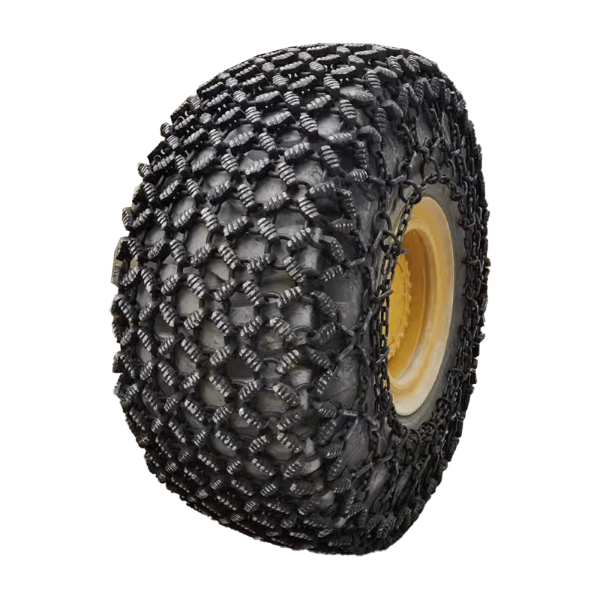
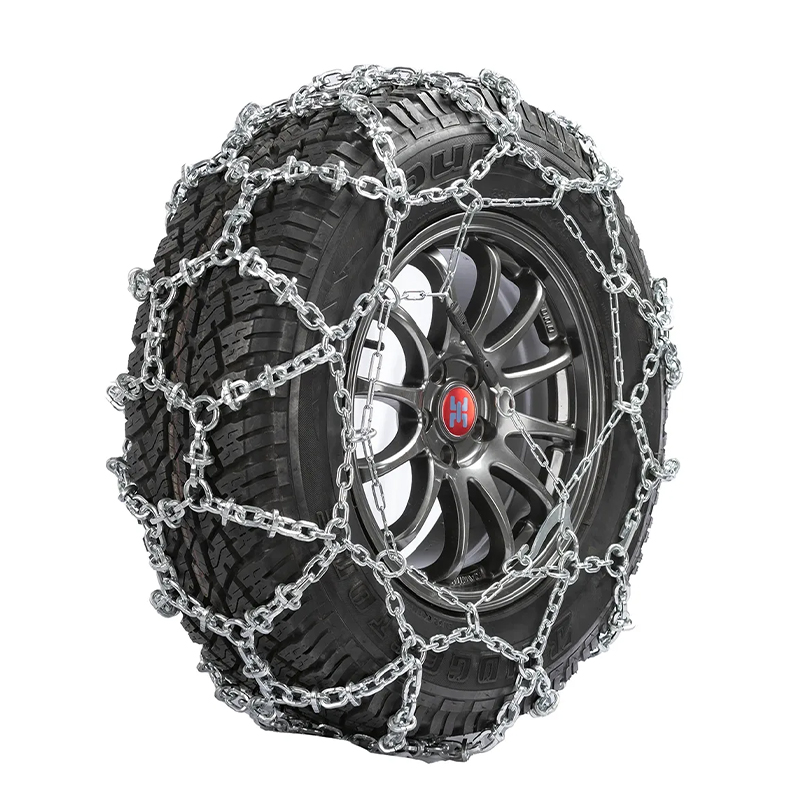
日本語In high-intensity industrial environments—ranging from underground mining to hot-slag handling—the integrity of pneumatic tires is constantly threatened by sharp rock fragments, extreme temperatures, and abrasive surfaces. To mitigate these risks, the implementation of a tire protection chain is standard practice. However, the efficacy of these systems is dictated primarily by the metallurgical composition of the chain links.
The Role of Material Science in Tire Protection
A tire protection chain serves as a sacrificial yet resilient barrier. It must possess a unique combination of hardness to resist abrasion and toughness to absorb high-energy impacts without fracturing. While both alloy steel and manganese steel are utilized in the industry, their crystalline structures and mechanical responses to stress differ significantly.
Manganese Steel: Work-Hardening Characteristics
Manganese steel, often referred to as Hadfield steel, is characterized by its high manganese content (typically 12% to 14%). Its primary advantage in the context of a tire protection chain is its remarkable work-hardening capability.
When subjected to heavy impact or high pressure, the surface of manganese steel undergoes a phase transformation that increases its local hardness. Meanwhile, the inner core remains ductile, providing excellent shock absorption. This makes manganese steel an ideal candidate for environments where the primary threat is high-impact fragmentation rather than pure sliding abrasion.
Alloy Steel: Engineered Precision and Consistency
Alloy steel chains are manufactured by introducing specific elements such as chromium, molybdenum, and nickel into the carbon steel base, followed by sophisticated heat treatment processes. Unlike manganese steel, alloy steel does not rely solely on impact to achieve its hardness. Through quenching and tempering, the material reaches a uniform hardness throughout its cross-section.
In a tire protection chain, alloy steel offers superior resistance to “polishing” or sliding wear, which is common in open-pit mining or marble quarries. The controlled grain structure of alloy steel provides a predictable wear life, allowing maintenance supervisors to schedule replacements with higher accuracy.
Comparative Technical Analysis
The following table outlines the primary mechanical differences between these two materials when applied to the construction of a tire protection chain:
| Feature | Manganese Steel | Alloy Steel |
|---|---|---|
| Primary Strengthening Mechanism | Work-hardening under impact | Thermal heat treatment (Quenching/Tempering) |
| Surface Hardness | Increases during operation | Consistent from installation |
| Ductility | Exceptionally high | Moderate to High (Optimized) |
| Abrasion Resistance | High (if impact is present) | Exceptional (even without impact) |
| Temperature Stability | Limited (Brittle at low temps) | High (Versatile across climates) |
| Ideal Environment | Sharp, heavy rock blasting | Abrasive, sandy, or hot-slag conditions |
Structural Integrity and Link Design
The performance of a tire protection chain is not merely a result of the raw material, but how that material responds to the manufacturing process.
Forgeability: Alloy steel generally offers better consistency during the forging process. This ensures that every link in the tire protection chain has a uniform density, reducing the likelihood of “weak links” that could lead to catastrophic failure under tension.
Welding and Assembly: Manganese steel is notoriously difficult to weld because excessive heat can revert its toughened structure back to a brittle state. Alloy steel, while requiring precise pre-heating and post-cooling protocols, is more adaptable to modern automated welding techniques, resulting in a more reliable mesh for the tire protection chain.
Operational Considerations: Selecting the Right Material
Selecting the appropriate material for a tire protection chain requires a deep audit of the operational site.
- Impact vs. Abrasion: If the equipment is working on a soft but abrasive floor (like sandstone), a manganese steel tire protection chain may never reach its full hardness potential because the impact levels are too low to trigger work-hardening. In this scenario, the chain would wear down prematurely. Alloy steel would be the superior choice here.
- Thermal Loads: In applications involving steel mill slag or furnace environments, the ambient temperature can reach levels that soften standard steels. Specialized alloy steels, enriched with chromium, maintain their structural properties at higher thresholds than standard manganese variants.
Conclusion
The evolution of the tire protection chain is a testament to the advancements in metallurgy. While manganese steel remains a robust choice for high-impact environments where the material can “self-strengthen” during use, alloy steel has emerged as the versatile gold standard for most modern industrial applications. By offering uniform hardness, superior tensile strength, and predictable wear patterns, alloy steel ensures that heavy machinery remains operational in the world’s most unforgiving terrains.
Ultimately, the technical superiority of a tire protection chain is measured by its ability to reduce the total cost of ownership through extended tire life and minimized downtime, a goal achieved only through the precise application of material science.