English
 Español
 Deutsch
 日本語
日本語G70 binder chain products are widely used in cargo securement, transportation, construction, agriculture, and industrial logistics. Their high tensile strength, wear resistance, and reliability make them suitable for securing heavy loads during transport. However, improper use can significantly reduce performance and create safety risks.
Many operators focus only on chain strength while ignoring inspection methods, load balance, tension control, and environmental factors. These mistakes may lead to cargo movement, premature wear, damaged equipment, or chain failure.
Understanding the most common operational errors can help users extend service life, improve transport safety, and maintain efficient cargo securement practices.
Why G70 Binder Chain Is Widely Used
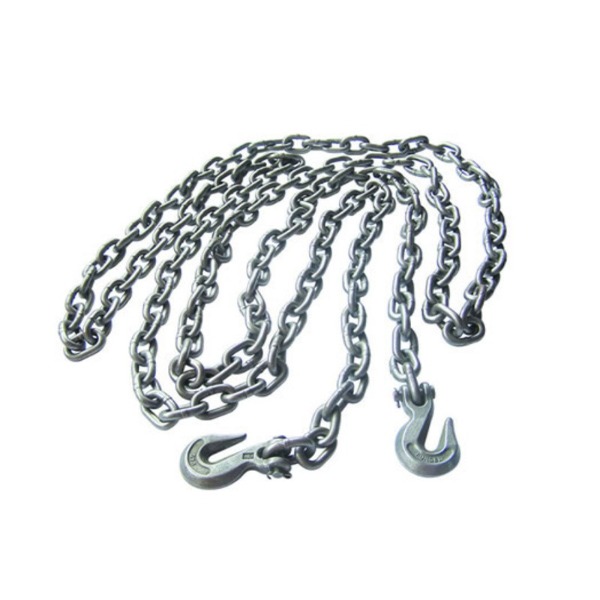
A G70 binder chain is manufactured for load securement applications that require high strength and durability. The chain is commonly recognized by its gold-colored finish and is frequently used with binders, hooks, and towing equipment.
Its advantages include:
- High strength-to-weight ratio
- Good abrasion resistance
- Reliable tension performance
- Suitable for repeated cargo securement
- Long service life under proper maintenance
Because of these characteristics, transport binder chain systems are frequently used for flatbed hauling, machinery transport, agricultural equipment movement, and industrial cargo restraint.
Common Mistakes When Using G70 Binder Chains
Using the Wrong Chain Size
One of the most frequent mistakes is selecting an incorrect chain diameter for the load. Some users assume that any heavy-duty chain can secure cargo safely, but chain size directly affects working load capacity.
An undersized chain may stretch or fail under tension, while an oversized chain can increase handling difficulty and unnecessary weight.
How to Avoid This Mistake
Always match the chain specification to the cargo weight and transportation requirements. Check the working load limit before operation and ensure compatibility with binders and hooks.
Common Chain Size Considerations
| Chain Size | Typical Application | Main Advantage |
|---|---|---|
| Small Diameter | Light equipment | Easier handling |
| Medium Diameter | General cargo securement | Balanced strength |
| Large Diameter | Heavy machinery transport | Higher load capacity |
Ignoring Regular Inspection
Another major issue is failing to inspect the G70 binder chain before use. Chains are exposed to friction, impact, moisture, dirt, and vibration during transportation.
Over time, these conditions may cause:
- Surface cracks
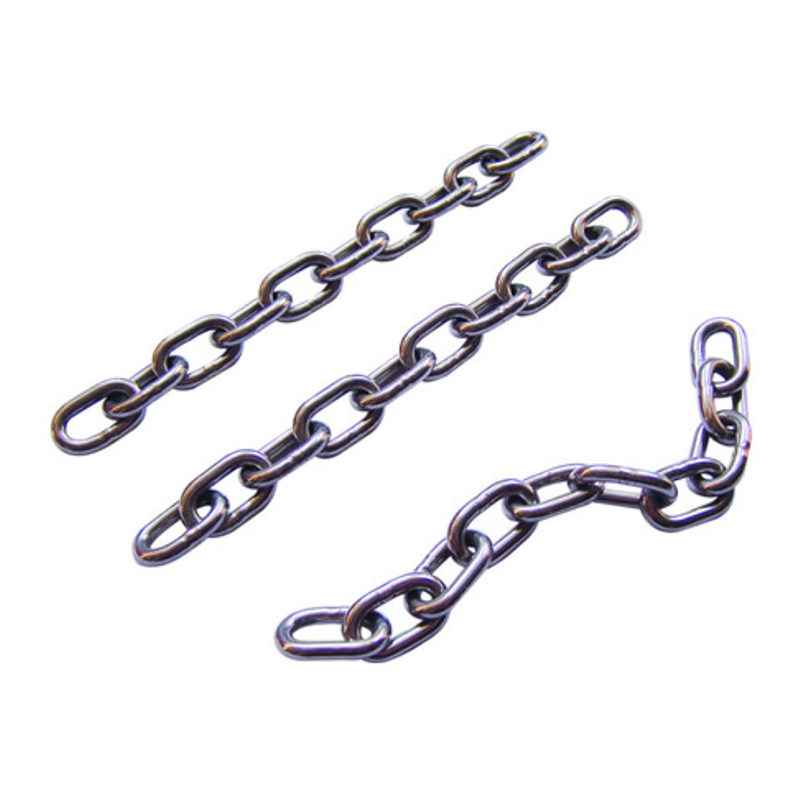
- Bent links
- Corrosion
- Deformation
- Excessive wear
Using a damaged chain increases the risk of load instability.
How to Avoid This Mistake
Create a routine inspection process before and after each use. Pay close attention to welded areas, hook connections, and tension points.
Replace the chain immediately if visible damage appears. Preventive replacement is safer than waiting for complete failure.
Overloading the Chain
Exceeding the working load limit is a serious operational error. Even high-strength grade 70 chain for cargo securement products have designed capacity limits.
Overloading may cause:
- Permanent stretching
- Reduced tensile strength
- Link deformation
- Sudden chain breakage
In many cases, overloading happens because users underestimate dynamic forces created during braking, turning, or uneven road conditions.
How to Avoid This Mistake
Calculate total cargo weight carefully and distribute tension across multiple securement points when necessary.
Avoid relying on a single chain to restrain oversized or unstable cargo.
Improper Tensioning
Both insufficient tension and excessive tension can create problems.
Loose chains allow cargo movement during transportation, while excessive tension may damage the chain, binder, or cargo itself.
Incorrect tensioning is especially common when operators rush the loading process.
Recommended Tensioning Practices
| Mistake | Potential Result | Correct Practice |
|---|---|---|
| Loose tension | Cargo shifting | Recheck tension after loading |
| Excessive tension | Chain stress damage | Apply balanced force |
| Uneven tension | Load imbalance | Secure all sides evenly |
How to Avoid This Mistake
After securing the cargo, inspect all connection points and retighten the system if needed. During long-distance transport, periodic checks are essential because vibration may loosen the assembly.
Using Incompatible Hardware
A high-quality heavy duty tie down chain may still fail if paired with unsuitable hooks, binders, or connectors.
Mismatched hardware can create uneven stress concentration and weaken the entire securement system.
Common Compatibility Problems
- Incorrect hook size
- Low-strength binders
- Worn attachment points
- Non-matching chain fittings
How to Avoid This Mistake
Ensure all components are designed for compatible load ratings and dimensions. The overall system is only as strong as its weakest component.
Environmental Factors That Reduce Chain Performance
Exposure to Corrosive Conditions
Moisture, chemicals, salt, and industrial contaminants can gradually damage chain surfaces. Corrosion weakens metal structure and accelerates wear.
This issue is common in outdoor transportation and marine-related environments.
Prevention Methods
| Environmental Factor | Possible Damage | Prevention Method |
|---|---|---|
| Rain and moisture | Rust formation | Dry after use |
| Salt exposure | Accelerated corrosion | Regular cleaning |
| Chemical contact | Surface degradation | Protective storage |
| Mud and debris | Abrasion wear | Routine maintenance |
Best Practice
Store the transport binder chain in a dry and ventilated environment when not in use. Cleaning after each operation helps maintain long-term durability.
Dragging the Chain on Rough Surfaces
Dragging chains across concrete, gravel, or metal surfaces can damage the protective finish and wear down chain links.
Repeated abrasion shortens the lifespan of the chain and increases the chance of failure.
How to Avoid This Mistake
Lift and position chains carefully during loading and unloading. Proper storage racks or chain containers can also reduce unnecessary surface contact.
Incorrect Storage Practices
Poor storage conditions often reduce chain service life even before the next operation begins.
Common storage mistakes include:
- Leaving chains outdoors for extended periods
- Storing chains in wet environments
- Piling chains without organization
- Exposing chains to chemicals or excessive heat
Proper Storage Recommendations
| Storage Practice | Benefit |
|---|---|
| Dry indoor storage | Reduces corrosion |
| Organized hanging systems | Prevents tangling |
| Regular cleaning | Maintains surface condition |
| Inspection before storage | Detects hidden damage |
Importance of Operator Training
Even high-quality G70 binder chain systems cannot perform safely without proper handling procedures.
Operators should understand:
- Working load limits
- Securement angles
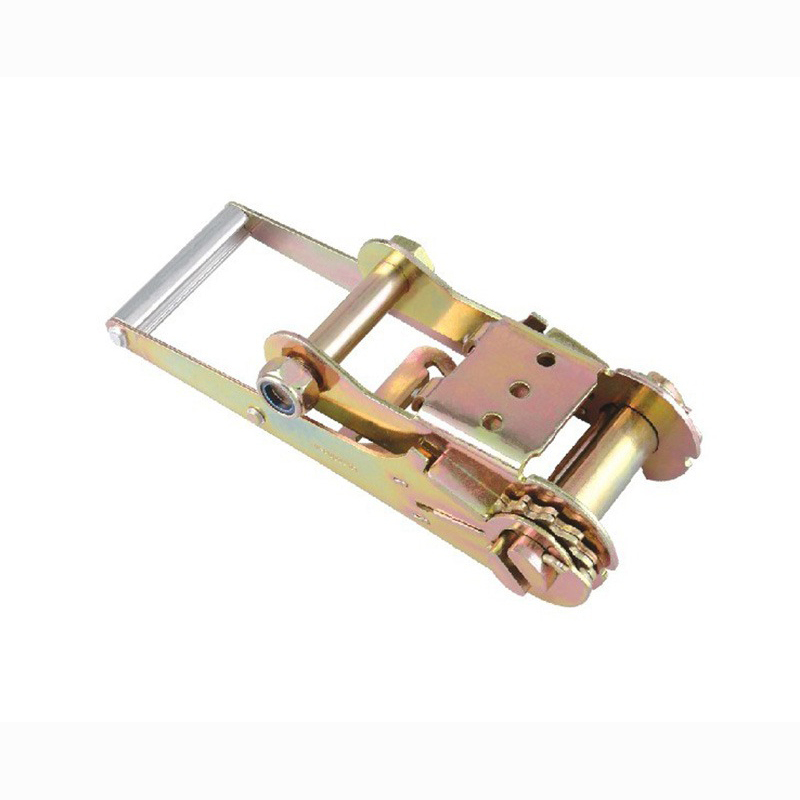
- Binder operation
- Inspection standards
- Maintenance procedures
Lack of training often leads to avoidable operational mistakes and safety hazards.
Proper training also improves transportation efficiency and reduces equipment replacement costs.
Choosing the Right G70 Binder Chain for Different Applications
Different transport tasks require different chain configurations.
Key Selection Factors
- Cargo weight
- Transportation distance
- Environmental conditions
- Frequency of use
- Required flexibility
- Compatibility with binders and hooks
Selecting the correct chain improves both safety and operational efficiency.
Conclusion
G70 binder chain systems play an essential role in cargo securement and heavy-duty transportation. However, improper sizing, overloading, poor tensioning, insufficient inspection, and incorrect storage can significantly reduce performance and safety.
Avoiding these common mistakes requires a combination of proper equipment selection, routine maintenance, compatible hardware usage, and operator awareness.
With correct handling practices, grade 70 chain for cargo securement applications can provide reliable strength, long service life, and improved transportation safety across demanding industrial environments.
FAQ
1. What is a G70 binder chain mainly used for?
A G70 binder chain is primarily used for cargo securement, equipment transport, towing applications, and load restraint during transportation.
2. How often should a G70 binder chain be inspected?
The chain should be visually inspected before and after every use. Frequent-use applications may require more detailed periodic inspections.
3. Can a damaged binder chain be repaired?
Chains showing cracks, severe deformation, or excessive wear should generally be replaced instead of repaired to maintain safety and performance.
4. Why is proper tension important in cargo securement?
Correct tension prevents cargo movement while avoiding excessive stress on the chain and binder system.
5. How can chain corrosion be prevented?
Regular cleaning, dry storage, and avoiding long-term exposure to moisture or chemicals can help reduce corrosion and extend service life.