English
 Español
 Deutsch
 日本語
日本語Why Skidding Happens and How Chains Change the Equation
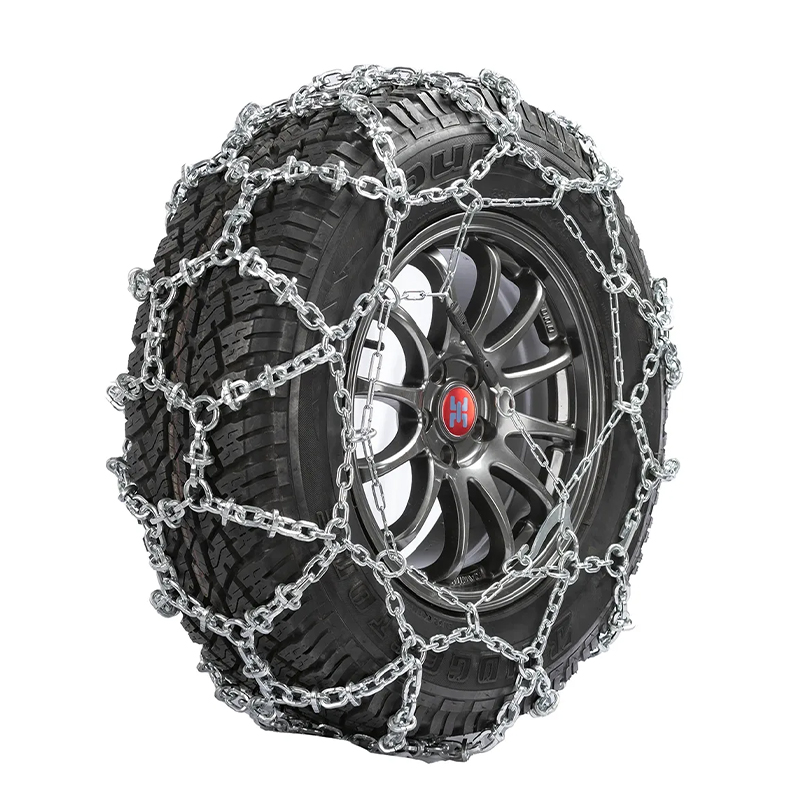
Skidding occurs the moment a tire loses its grip against the road surface, typically when a thin layer of ice, packed snow, or slush sits between the rubber and the pavement. On a loaded truck, the consequences are magnified because momentum and stopping distance both increase with weight. tire chains for trucks work by cutting through that slippery layer and biting into the firmer surface underneath, restoring mechanical contact that rubber alone cannot maintain.
Unlike a tire tread pattern, which relies on channeling water and compressing snow, a chain uses hardened metal links to physically dig in. This is why fleets operating in mountain passes, logging routes, or northern delivery corridors treat chains as a required piece of safety equipment rather than an optional accessory.
A drive axle with properly fitted chains can reduce stopping distance on packed snow by a significant margin compared to an unchained tire, according to commercial vehicle safety testing programs cited by multiple state transportation departments.
The Mechanics of Traction: What Actually Happens Under the Tire
Surface Penetration
Chain links sit slightly proud of the tire tread. As the wheel rotates under load, the links press into snow or ice, creating small mechanical anchors. This penetration effect is the primary reason chained tires outperform even aggressive winter tread patterns on hard-packed ice.
Distributed Contact Pressure
A chain net spreads contact pressure across more points than tread alone. Instead of relying on friction from rubber compound, the load is shared across dozens of metal contact points per rotation, which lowers the chance of any single point slipping.
Lateral Stability
Side-to-side chain patterns resist lateral sliding, which matters most on cambered roads, curves, and during braking on a downgrade. This is often the difference between a controlled deceleration and a jackknife event for articulated trucks.
Main Categories of Truck Tire Chains
Not all chain designs serve the same purpose. Selecting the correct category matters as much as the brand of steel used.
| Chain Type | Best Use Case | Traction Level | Typical Wear Rate |
|---|---|---|---|
| Ladder Pattern | Straight-line highway driving | Moderate | Low |
| Diamond Pattern | Mixed terrain, curves, and grades | High | Moderate |
| Cam Style | Heavy loads, steep descents | Very High | Moderate to High |
| heavy duty tire chains | Logging, mining, extreme grades | Maximum | High, built for it |
For most commercial fleets running regulated mountain corridors, a diamond pattern set of snow chains for trucks balances durability with the lateral grip needed on winding routes.
How to Choose the Right Tire Chains for Trucks
- Match chain size precisely to tire dimensions, not just axle position, since even a small mismatch changes clearance and wear.
- Consider axle configuration; drive axles usually need chains first, but regulations in mountainous states may require additional axles depending on gross weight.
- Check clearance around fenders, mud flaps, and suspension components before purchase to avoid contact damage at speed.
- Evaluate the terrain: steep grades and ice call for cam or diamond patterns, while flat highway snow may only need a ladder pattern.
- Factor in installation time; fleets that chain up frequently often prefer designs with tensioning systems that reduce roadside installation time.
Weight and Load Considerations
A fully loaded tractor-trailer places far more stress on chain links than an empty pickup. Chain gauge and link thickness should scale with gross vehicle weight rating, since undersized links can stretch or snap under repeated flexing on rough packed snow.
Truck Tire Chains vs. Snow Tires: Which Is Better for Winter Driving?
This is one of the most common questions fleet managers ask before winter season planning.
| Factor | Snow Tires | Tire Chains |
|---|---|---|
| Ice Traction | Good | Superior |
| Deep Snow Performance | Moderate | Superior |
| Highway Comfort | Smooth, quiet | Noticeable vibration |
| Legal Requirement Compliance | Sometimes sufficient | Often mandatory on steep grades |
| Cost Over Season | Higher upfront | Lower upfront, pay per use |
In practice, many fleets run winter-rated tires as a baseline and carry truck tire chains on board for mandatory chain-control zones, since regulations in several mountain states require chains regardless of tire type once conditions reach a certain severity.
Installation Best Practices That Prevent Skidding, Not Cause It
Poorly installed chains can create their own hazard, including link breakage that whips against the wheel well or uneven tensioning that causes vibration and premature failure.
- Pull the truck fully off the traveled roadway before beginning installation.
- Drape the chain over the tire and drive forward slowly to position the pattern evenly.
- Fasten inner and outer connections, then tighten tensioners so the chain sits snug without excessive slack.
- Drive a short distance and re-check tension, since chains typically loosen slightly once they settle onto the tread.
- Remove chains promptly once back on clear, dry pavement to limit wear on both the chain and the road surface.
Carrying a spare set of connector links and a basic tensioning tool in the cab reduces roadside downtime significantly when a link fails in freezing conditions.
What Are Tire Chains for Trucks?
At their core, tire chains for trucks are metal traction devices fitted over the tread of drive or trailer tires to increase grip on snow, ice, or loose gravel. They are engineered from hardened steel alloys designed to flex with tire rotation while resisting stretching under repeated load cycles.
Where to Buy Tire Chains for Trucks
Fleet operators typically source chains through commercial vehicle equipment suppliers, specialty winter safety retailers, or directly from a truck tire chain manufacturer for bulk fleet orders. Buying in bulk often allows for size-matched sets across an entire fleet, which simplifies inventory and roadside swaps.
How Much Are Tire Chains for Trucks
Pricing varies by pattern complexity, steel gauge, and tire size, with basic ladder-pattern sets sitting at the lower end and reinforced cam-style or heavy duty snow chains for trucks priced higher due to the additional steel and reinforced connectors used for steep-grade durability.
Maintenance and Storage That Extend Chain Life
| Maintenance Step | Recommended Frequency | Why It Matters |
|---|---|---|
| Rinse off road salt | After each use | Prevents corrosion of steel links |
| Inspect for stretched links | Before each season | Stretched links reduce tension and grip |
| Lubricate connectors | Every few uses | Prevents seizing in cold temperatures |
| Dry storage | Off-season | Moisture accelerates rust formation |
Fleets that skip inspection often discover broken links only after a chain has already loosened on the road, which increases the very skidding risk the chain was meant to prevent.
Frequently Asked Questions
Q1: How to Choose the Right Tire Chains for Trucks?
Match the chain size to the exact tire dimension, confirm clearance around suspension and fenders, and select a pattern suited to the terrain, whether that means a ladder pattern for straight highway travel or a diamond or cam pattern for grades and curves.
Q2: Truck Tire Chains vs. Snow Tires: Which Is Better for Winter Driving?
Snow tires offer year-round convenience and comfort, while chains provide superior traction on ice and deep snow and are often legally required on steep mountain grades regardless of tire type, making them complementary rather than interchangeable.
Q3: What Are Tire Chains for Trucks?
They are steel traction devices fitted over tires to increase grip on snow and ice by mechanically penetrating the slick surface layer, restoring contact that smooth or icy roads otherwise remove.
Q4: Where to Buy Tire Chains for Trucks?
Commercial vehicle equipment suppliers, winter safety specialty retailers, and direct fleet orders from a manufacturer are the most common sourcing channels, particularly for bulk or size-matched fleet purchases.
Q5: How Much Are Tire Chains for Trucks?
Cost depends on chain pattern, steel gauge, and tire size, with basic ladder patterns priced lower and reinforced heavy duty patterns priced higher due to added steel and stronger connectors.