English
 Español
 Deutsch
 日本語
日本語Introduction
Chains are essential components in a wide range of industries, from construction to logistics. When selecting a chain type for specific applications, it’s crucial to consider factors like durability, strength, corrosion resistance, and overall performance. Among the most commonly used chains are steel link chains and stainless steel chains.
Understanding Steel Link Chain and Its Types
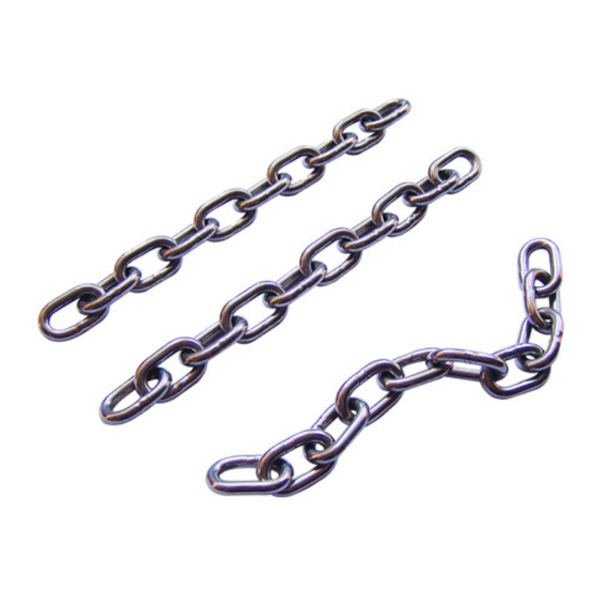
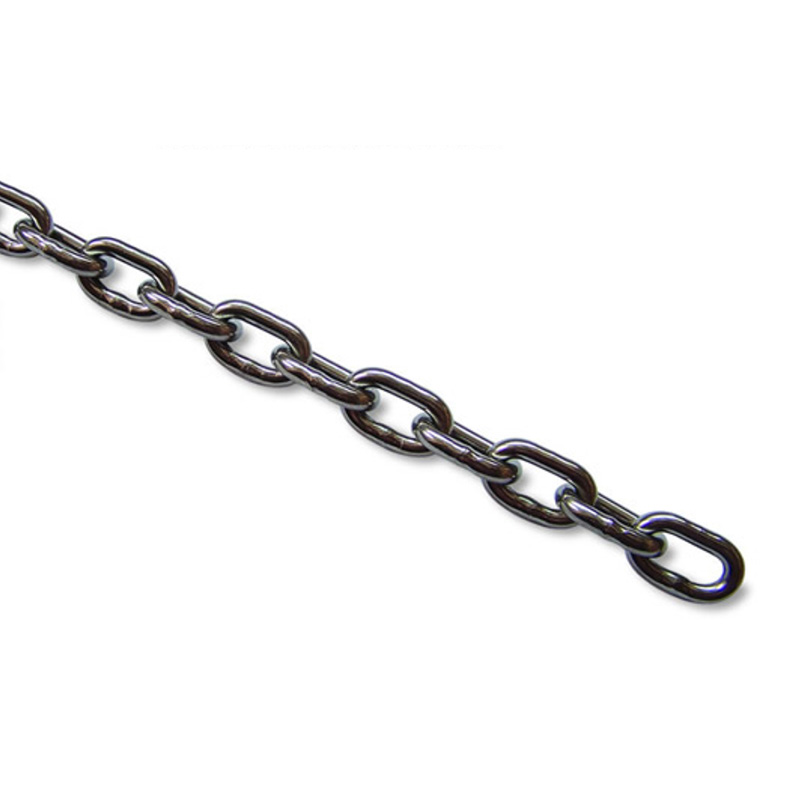
A steel link chain is a durable and versatile chain made from various steel alloys, typically used for heavy-duty applications where strength and reliability are crucial. These chains are composed of interlocking metal links that provide a solid connection. Common types include carbon steel chains, alloy steel chains, and stainless steel chains.
- Carbon Steel Link Chains: These are generally stronger and more affordable but may not offer the best resistance to corrosion.
- Alloy Steel Link Chains: Known for enhanced strength, these chains are often used in extreme conditions such as high temperatures.
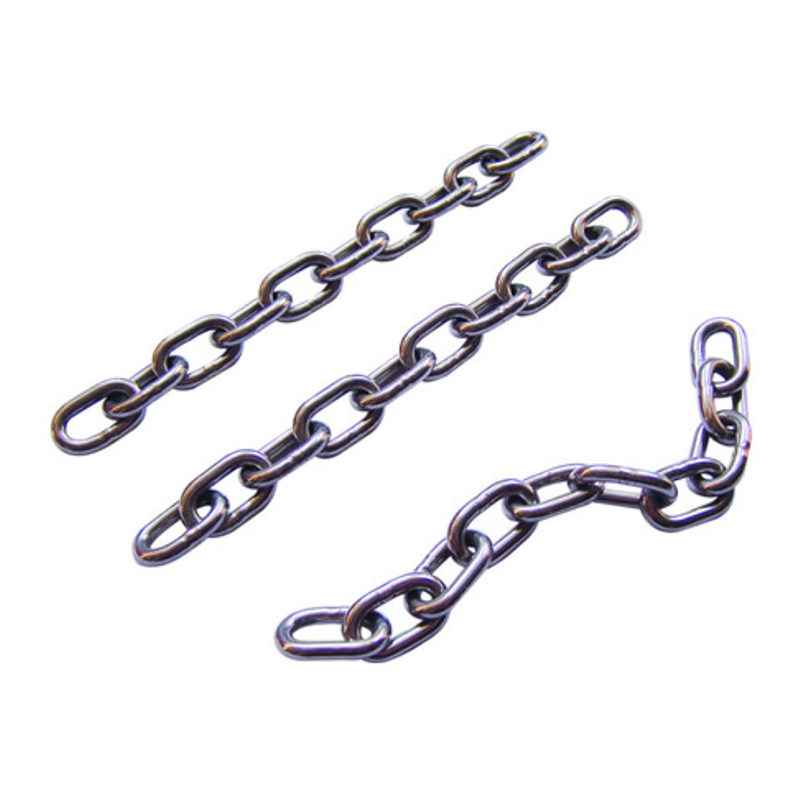
- Stainless Steel Chains: These chains offer superior corrosion resistance, making them ideal for environments exposed to moisture, chemicals, or extreme weather conditions.
Durability of Steel Link Chains Compared to Other Chains
Durability is a vital consideration when selecting a chain. Steel link chains are highly durable, but their performance varies based on the material and environment in which they are used.
Factors Influencing Durability:
- Material Strength: Carbon steel offers high strength but may degrade faster in corrosive environments compared to stainless steel.
- Corrosion Resistance: Stainless steel link chains excel in corrosive environments, while carbon and alloy steel chains are prone to rust and deterioration if not properly maintained.
- Load-Bearing Capacity: Steel link chains, particularly alloy and carbon varieties, are engineered to withstand heavy loads, making them suitable for industrial lifting and towing applications.
Comparison Table: Durability of Different Chains
| Chain Type | Durability Factors | Best Use Case |
|---|---|---|
| Steel Link Chain | Strong but prone to rust, needs maintenance | Heavy-duty lifting, towing |
| Stainless Steel Chain | Corrosion-resistant, maintains strength in harsh environments | Marine, food processing, medical |
| Alloy Steel Chain | High tensile strength, resistance to wear and fatigue | Mining, automotive, heavy industry |
| Plastic/Polymer Chains | Low tensile strength, not suitable for high loads | Light-duty, corrosion-prone areas |
Strength and Performance of Steel Link Chains
Steel link chains are known for their exceptional strength-to-weight ratio, which makes them reliable in situations requiring high load-bearing capacity. The material composition plays a significant role in determining how well the chain can handle stress and strain.
Comparing Chain Strength:
- Steel Link Chain: Generally, steel link chains have excellent tensile strength, especially when made from alloy steel. Their design allows them to distribute force evenly across the links, which reduces the risk of failure.
- Stainless Steel Chain: While stainless steel is strong, it is often more expensive. However, its superior corrosion resistance and ability to maintain strength under various environmental conditions make it a preferred choice for industries like marine and food processing.
- Other Chains (e.g., Plastic Chains): While useful in certain applications, plastic or polymer chains have lower strength and are unsuitable for high-load operations.
Performance Comparison:
- Steel Link Chains perform exceptionally well in dry or mildly corrosive environments.
- Stainless Steel Chains are ideal for highly corrosive or wet environments where traditional steel chains might fail.
Advantages of Steel Link Chains in Industrial Applications
Steel link chains are particularly valued for their combination of affordability, strength, and versatility. They are widely used in various industrial applications, including:
- Lifting and Rigging: Steel link chains are commonly used in cranes, hoists, and winches because of their excellent load-bearing capabilities.
- Conveyor Systems: In manufacturing and material handling, steel link chains help move heavy products efficiently.
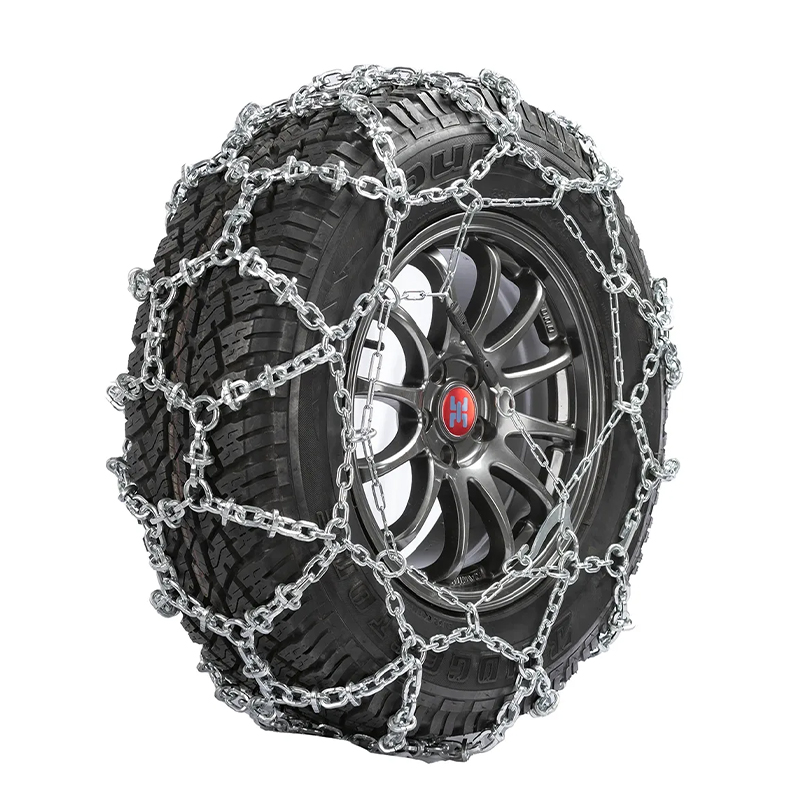
- Towing: Steel chains are commonly used in vehicles and machinery for towing heavy loads due to their robust tensile strength.
Disadvantages and Limitations of Steel Link Chains
While steel link chains are durable and strong, they come with certain limitations:
- Corrosion Susceptibility: Traditional steel link chains can rust when exposed to moisture, chemicals, or salty air, requiring regular maintenance and lubrication.
- Weight: Steel link chains, especially those made from carbon steel, can be quite heavy, which may be a drawback in applications where weight is a critical factor.
- Limited Flexibility: Steel link chains are less flexible compared to other materials like ropes or synthetic fibers, making them less suitable for certain applications.
How Stainless Steel Chains Offer Additional Benefits
Stainless steel chains, while more expensive than traditional steel link chains, offer numerous advantages in specific industries:
- Superior Corrosion Resistance: Ideal for wet, humid, or chemically hazardous environments.
- Longevity: Stainless steel chains typically last longer than regular steel chains due to their resistance to rust and corrosion.
- Lower Maintenance Costs: Stainless steel chains require less frequent maintenance, reducing overall operating costs over time.
Stainless Steel vs. Steel Link Chains: A Comparative Analysis
| Factor | Steel Link Chain | Stainless Steel Chain |
|---|---|---|
| Corrosion Resistance | Prone to rust unless maintained | Superior corrosion resistance |
| Cost | More affordable | Higher initial cost |
| Strength | Strong, especially alloy steel | High strength but less weight-bearing |
| Maintenance | Requires regular maintenance | Requires less maintenance |
| Weight | Heavier in comparison | Lighter and more versatile |
Conclusion
In conclusion, steel link chains, including stainless steel variants, are essential tools in numerous industrial applications. While steel link chains provide remarkable durability and strength, stainless steel chains excel in environments prone to corrosion. The choice between these chains depends on factors such as the operating environment, budget, and specific load-bearing requirements.
When selecting a chain for industrial use, it’s essential to understand how each chain type—whether steel, stainless steel, or other materials—performs under different conditions. This knowledge will help you choose the best chain to meet your needs in terms of durability, strength, and overall performance.
FAQ
1. What is the primary difference between steel link chains and stainless steel chains?
Steel link chains are more affordable but can corrode over time, whereas stainless steel chains offer superior corrosion resistance, making them suitable for harsh environments.
2. Which chain type is best for heavy-duty lifting?
Steel link chains, especially those made from alloy steel, are ideal for heavy-duty lifting due to their high strength and load-bearing capacity.
3. Are stainless steel chains worth the higher cost?
Yes, stainless steel chains are more expensive, but they offer longer-lasting performance and reduced maintenance, making them cost-effective in the long term, especially in corrosive environments.
4. Can steel link chains be used in corrosive environments?
While steel link chains can be used in corrosive environments, they require regular maintenance to prevent rust. Stainless steel chains are a better choice in such conditions due to their corrosion resistance.
5. How do I maintain a steel link chain to prevent rust?
Regular cleaning, lubrication, and storage in a dry environment can help prevent rust and extend the lifespan of steel link chains.