English
 Español
 Deutsch
 日本語
Why Traction Fails in Cold, Wet and Uneven Yards
Outdoor forklift operations are rarely interrupted by the machine itself. More often, the interruption comes from the surface beneath the tires. Packed snow, thin ice on a loading ramp, mud from a wet gravel yard, or a film of meltwater on a concrete apron can reduce grip to the point where a loaded truck slides when it brakes or drifts when it turns. For a warehouse manager, that loss of grip shows up as delayed shipments, damaged pallets and, in the worst cases, a tipping truck or an injured operator.
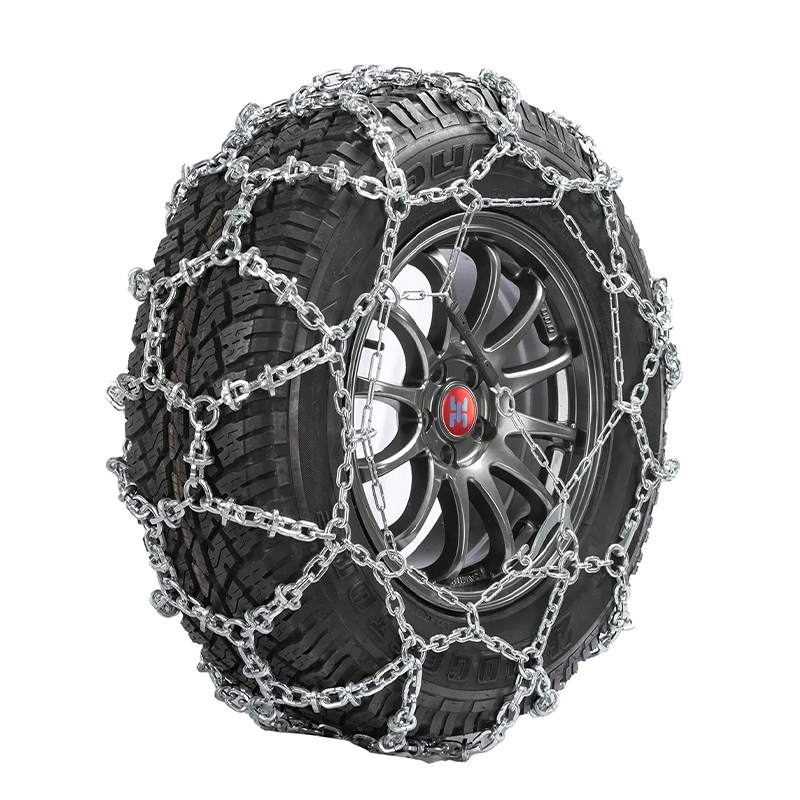
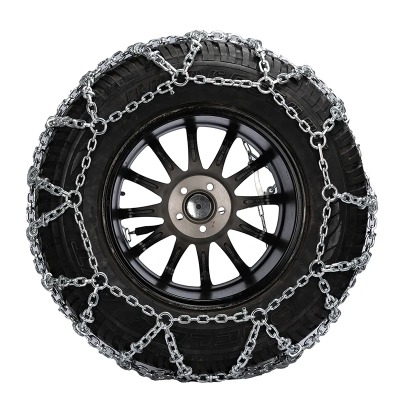
A forklift tire chain is one of the most direct ways to restore traction in these conditions. It wraps around the drive or load tire and engages the surface with hard metal contact points, giving the tread something to grip where rubber alone cannot. Used correctly, it turns a yard that is unsafe to operate into one where normal work can continue at a controlled pace.
This guide explains how these chains work, how they differ from other chain products used on lift trucks, how to select a layout and size that fits your operation, and how to install, inspect and run equipment safely once the chains are on. The advice is written for facility managers, maintenance supervisors and purchasing teams who need practical decisions rather than theory.
What a Forklift Tire Chain Actually Does
The core function of a tire chain is mechanical. Rubber tires depend on friction and on the tread's ability to channel water and debris away from the contact patch. Both of those mechanisms fail on smooth ice or deep slush. A chain adds a ring of rigid contact points around the circumference of the tire, so the surface is engaged directly rather than only through the tread compound.
Chains help in three distinct ways. They improve acceleration by reducing wheel spin when the drive tire must move a load from rest. They improve braking by shortening stopping distances on slick surfaces. They also improve directional stability by limiting sideways sliding when the operator turns, which is often the moment when a fully loaded lift truck is most vulnerable.
Tire chains and mast chains are not the same product
Many buyers, and some operators, confuse tire chains with the chains that raise and lower the forks. Both are called chains, but they serve different purposes and are specified to different criteria. The comparison below helps keep the two categories separate in specifications, purchase orders and maintenance logs.
| Feature | Tire traction chain | Mast lifting chain |
|---|---|---|
| Main purpose | Grip on slippery surfaces | Raise and lower the carriage |
| Where it is fitted | Around drive or load tires | Inside the mast assembly |
| Main force direction | Shear force at the ground contact | Vertical tension under lift load |
| Typical warning sign | Broken cross links or worn hooks | Elongated pins, stretched links or cracks |
Confusing the two leads to costly errors, such as ordering the wrong item for a site that needs traction, or assuming that a lift chain inspection also covers tire equipment.
Diamond Pattern Versus Ladder Style Layouts
Chains are produced in several link layouts, and the two most common families are the diamond pattern and the ladder style. Each has a place. The right choice depends on the surface, the tire type and how the truck is actually used.
Diamond pattern layouts
A diamond pattern tire chain connects its cross links in a repeating diagonal grid. Because each cross point is supported from several directions, the load is shared across more contact points on the tire and the ground. In practice this tends to produce a steadier ride, reduces the chance that a single link absorbs the full impact of a pothole or curb edge, and gives more consistent grip in both forward and reverse travel.
Ladder style layouts
A ladder style chain uses parallel cross members with simpler geometry. It is often lighter and quicker to fit, which makes it attractive for light duty work on moderately icy surfaces. The trade-off is fewer contact points per revolution, which can reduce grip in deep snow or slush and can feel bumpier on rough concrete.
Square-section side links are worth considering for heavy duty applications. Square-section steel resists deformation better than round wire under repeated shock loads, and it keeps its shape longer when the chain runs over abrasive surfaces such as crushed stone.
Choosing the Right Chain for Your Operation
Selecting a chain is easier when you follow a fixed sequence rather than starting from a catalogue. The four stages below cover the decisions that most often cause problems later.
Measure the tire accurately
Chain fit depends on the tire's overall diameter, tread width and rim configuration. Measure the tire under normal inflation, record the size stamped on the sidewall, and confirm it with the tire supplier if the tire has been retreaded or replaced with a different make. A chain that is even slightly too large will slap the truck body and loosen during travel. One that is too small will not fit at all.
Assess the working surface
Snow, packed ice, wet concrete, gravel and mud each demand different grip. Outdoor yards with frequent ice benefit from a layout with more cross points, while sites that alternate between surfaces need a chain that transitions well. Also ask whether the chain will be used on indoor floors. Metal contact can mark polished concrete, sealed floors and painted walkways, so indoor use usually requires a different chain or protective measures.
Match the chain to load and duty cycle
A truck that runs all day in cold conditions needs chains built for repeated flexing and higher wear. Occasional winter use on a light truck has very different requirements. Consider the rated load of the truck, operating hours per shift and how often the chains will be removed and refitted. Frequent fitting favors designs with quick, reliable connection hardware.
Plan for total cost, not unit price
The purchase price is only part of the cost. Chains that break early cause downtime, emergency replacement and possible damage to tires or truck components. In facilities where chains see heavy daily use, a modest premium for better steel and reinforced cross links often proves worthwhile over a single season.
Installation Practices That Prevent Early Failure
Even a well built chain will fail early if it is fitted poorly. The steps below are widely used by experienced maintenance teams.
- Lay the chain flat and untangle it fully before placing it on the tire, so no cross links are twisted or stacked.
- Position the chain evenly around the tread, keeping both ends at the same length on each side.
- Connect the fasteners and tension the chain so it sits snug against the tread with no slack that could allow movement.
- Drive forward a short distance on a level surface, stop and retighten. Chains commonly settle during the first few meters of travel.
- Check the fit again after the first shift, since temperature changes and initial settling can alter tension.
Never fit a chain to a tire that is severely worn or damaged. A worn tread may not hold the chain in place, and a chain on a damaged tire can worsen the damage. Avoid over-tightening as well, because it stresses links and hooks and can cause premature cracking.
Routine Inspection and Maintenance Schedule
Regular inspection is the most effective way to extend chain life. A simple schedule tied to operating time keeps the process predictable and gives supervisors a clear record to review.
Check for loose fasteners, broken cross links and sharp edges before the shift starts.
Remove mud, salt and debris, recheck tension and inspect hooks and connectors.
Measure side link thickness against the supplier's guidance and review storage conditions.
Clean chains after use in salt or corrosive environments, and dry them before storage. Store them off the ground in a dry location, lightly protected with oil if the manufacturer recommends it. Coil or hang the chain loosely, because tight kinks can weaken links over time.
Operating Safely With Chains Fitted
Chains change how a truck handles. Steering response, braking distance and the sound of the tire on the surface all differ, so operators need to adjust their habits accordingly.
- Reduce travel speed on slick surfaces. Many facilities set a fixed limit for chained trucks regardless of the posted yard speed.
- Avoid sharp turns and sudden braking, which can shift the chain or overload individual links.
- Keep people clear of a moving truck on chains, since ice and debris thrown from the tire can cause injuries.
- Stop and inspect the chain if the operator hears unusual clanking or feels new vibration.
- Remove chains before extended travel on dry, hard floors to limit wear and surface marking.
Traction equipment works best as part of a wider plan that includes clear traffic routes, good lighting and treated ramp surfaces. Think of an anti-slip forklift chain as one layer of protection rather than a complete solution.
A chain that is not inspected is not doing its job. Treat traction equipment as part of the truck's safety system, with the same discipline applied to brakes and steering.
Case Scenario: Winter Operations at a Cold Storage Site
Consider a cold storage distribution building in a northern region, where the loading yard froze overnight several times each winter. The operations team had relied on operator caution and reduced speeds, but near misses on the ramp were increasing, and two pallets were lost after trucks slid during turns.
The team reviewed its process and made three changes. First, it standardized chain sizes across the fleet so that spare chains fit any truck. Second, it introduced a fitting checklist and assigned one trained operator per shift to verify chains before work began. Third, it marked the yard with clear speed zones and posted a chained-truck speed limit at the entry gate.
According to the site's internal review notes, slide incidents fell noticeably within one winter season, and product damage on the loading ramp declined as well. The largest improvement came from consistency across fitting, inspection and operation rather than from any single component.
The lesson applies widely. Traction equipment delivers value when fitting, inspection and operating rules are treated as one connected system.
Common Mistakes to Avoid
Most chain problems trace back to a small number of recurring errors. Avoiding them costs little and prevents most avoidable failures.
- Ordering chains by truck model alone without confirming the exact tire size.
- Using the same chain indoors and outdoors without considering floor damage.
- Skipping the retightening step after the first short drive.
- Ignoring small cracks or bent hooks until they fail under load.
- Storing chains in a damp corner where corrosion begins unnoticed.
Frequently Asked Questions
Q1: What is a forklift tire chain used for?
It is used to improve traction on snow, ice, mud and other slippery surfaces. By engaging the ground with metal contact points, it reduces wheel spin during acceleration, shortens stopping distances and limits sliding during turns.
Q2: Can a forklift tire chain be used indoors?
Indoor use is generally not recommended on finished or polished floors, because metal contact can scratch and mark the surface. If indoor use is required, choose a chain designed for it or apply appropriate floor protection, and check the facility's rules first.
Q3: Which is better, diamond pattern or ladder style?
Diamond pattern layouts generally offer more contact points, steadier handling and better grip in deep snow or slush. Ladder style chains are lighter and quicker to fit, so they can suit lighter duty work on moderately icy surfaces. The right answer depends on the surface and duty cycle.
Q4: How do I know if a chain fits my tire?
Measure the tire's overall diameter and tread width under normal inflation, then compare the figures with the chain's specified fitment range. If the tire has been retreaded or changed to a different make, confirm the dimensions with the tire supplier before ordering.
Q5: How often should chains be inspected?
Inspect them before each shift for loose fasteners and visible damage, carry out a more detailed check weekly, and review wear measurements monthly. Facilities with heavy winter use may need to increase the frequency, particularly after rough operation or repeated fitting.