English
 Español
 Deutsch
 日本語
日本語When it comes to securing cargo during transportation, safety and durability are of the utmost importance. One of the essential tools used in the tie-down process is the load binder. This tool helps secure the load to prevent any movement during transit, reducing the risk of accidents and ensuring that the cargo arrives safely at its destination.
Understanding Load Binders: An Essential Tool in Cargo Safety
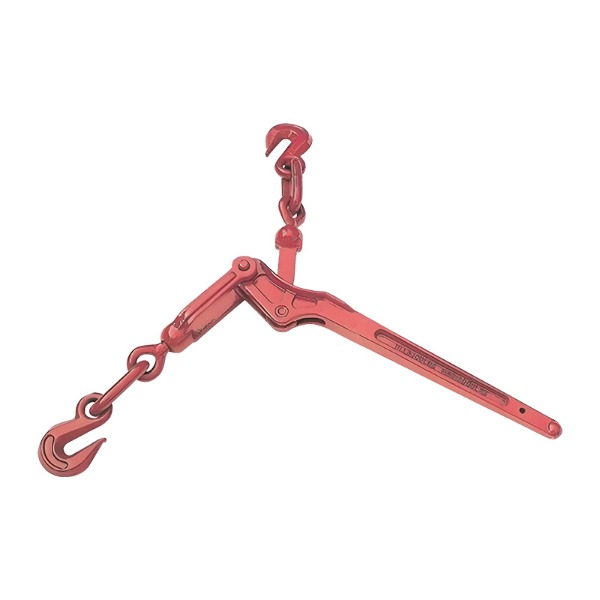
A load binder, often referred to as a cargo binder or chain binder, is a mechanical tool used to tighten a tie-down system. It helps secure cargo by applying tension to prevent shifting or damage during transit.
There are different types of load binders, such as:
- Lever type load binder: A lever-operated tool that tightens the tie-down system through mechanical leverage.
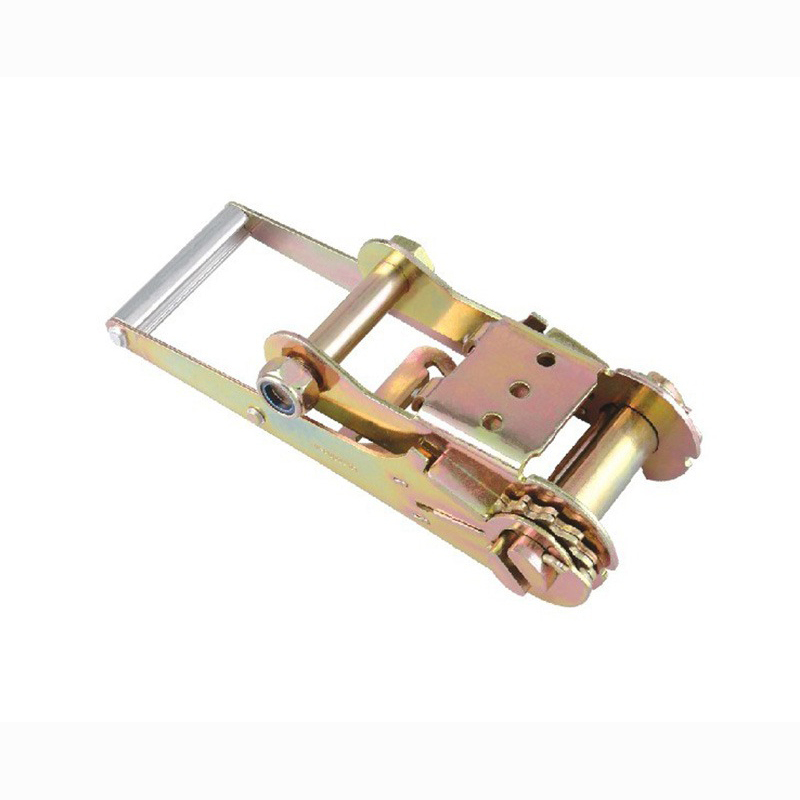
- Ratchet type load binder: A tool that uses a ratchet mechanism to tighten the system gradually.
While both types serve the same purpose, the lever type load binder is preferred for heavier, more demanding cargo applications due to its simplicity and strength.
Key Features of a Load Binder
When choosing a load binder, it’s essential to consider its features to ensure it meets your transport needs. Some of the key features to look for include:
Safe and Durable
A high-quality load binder should be strong and reliable for all heavy-duty transport purposes. It is designed to take up slack and apply tension to the tie-down system, ensuring the cargo is securely fastened.
Material and Strength
The best load binders are made from drop-forged steel, which provides high strength and durability. This material ensures the binder can withstand the forces of securing heavy loads without compromising performance.
360-Degree Swivel Hooks
A good load binder is equipped with 360-degree swivel hooks, making it easier to handle the tool during the securing process. This feature allows the user to easily position the binder to the optimal angle for tightening.
Heat Treatment for Extra Strength
Many quality load binders undergo heat treatment, which increases their strength and resistance to wear. This ensures the binder will last for a longer time, even in harsh conditions.
Proof Testing
Each load binder should be individually proof tested to ensure its reliability and safety. This test guarantees that the binder can handle the rated load capacity without failure.
Types of Load Binders: Lever vs. Ratchet
While there are various load binder types, the lever type load binder is one of the most popular choices due to its simplicity and effectiveness. Here’s how it compares with other options:
| Feature | Lever Type Load Binder | Ratchet Type Load Binder |
|---|---|---|
| Operation | Manual lever operation | Manual ratchet operation |
| Tension Control | Quick and straightforward | Gradual tension application |
| Ease of Use | Requires more physical strength | Easier to use for finer tension control |
| Best For | Heavy-duty, fast application | General cargo, medium load |
| Maintenance | Low maintenance | Requires regular checks |
| Cost | Generally more affordable | Slightly more expensive due to complexity |
The lever type load binder is ideal for those who need a fast, reliable method of securing heavy loads without needing to adjust the tension gradually. However, ratchet load binders might be better suited for applications requiring finer control over tension.
How to Use a Lever Type Load Binder
Proper use of a load binder is crucial for ensuring cargo safety. Here’s a step-by-step guide to using a lever type load binder:
-
Prepare the Load
Begin by positioning your cargo and ensuring it is properly aligned for securing. This involves arranging the items to prevent movement. -
Attach the Binder to the Chain or Webbing
Hook one end of the load binder to the chain or webbing and connect the other end to the tie-down point. -
Apply Tension Using the Lever
Use the lever to tighten the load binder, pulling the chain or webbing tighter and removing any slack. -
Lock the Binder in Place
Once the desired tension is achieved, secure the lever in place to prevent it from loosening during transit. -
Double-Check the Securement
Always inspect the load binder and other tie-down components before starting the journey to ensure everything is secure.
Factors to Consider When Choosing a Load Binder
When selecting a load binder for your needs, several factors should guide your decision:
-
Load Capacity: Ensure the binder can handle the weight of your cargo. Each load binder has a specific load rating, so it’s crucial to choose one that matches the weight of the load being secured.
-
Material and Construction: Choose a binder made from high-quality materials like drop-forged steel for strength and longevity.
-
Ease of Use: Consider how easy the binder is to handle. Lever type load binders are generally easier to use in rough conditions.
-
Weather Resistance: If you’re transporting goods in extreme weather conditions, look for a load binder with weather-resistant properties, such as heat-treated or galvanized options.
Safety Considerations with Load Binders
Safety is paramount when using load binders, especially for heavy-duty transport. Here are some safety tips:
-
Check the Binder Before Use: Always inspect the load binder for damage or signs of wear before use.
-
Use the Correct Binder for the Job: Match the binder’s load capacity with the weight of your cargo. Overloading the binder can lead to failure and cause accidents.
-
Follow Manufacturer’s Instructions: Always follow the manufacturer’s recommendations regarding load limits, operation, and maintenance.
FAQ
1. What is a load binder used for?
A load binder is a tool used to tighten a tie-down system, securing cargo and preventing it from shifting during transit.
2. How does a lever type load binder work?
The lever type load binder uses a manual lever to apply tension to a tie-down system, tightening the chains or webbing to secure the load.
3. What is the difference between a lever type and a ratchet type load binder?
The lever type binder operates with a manual lever for quick tightening, while the ratchet type provides gradual tension control, making it easier for lighter loads but more complex for heavy-duty use.
4. Can I use a load binder for all types of cargo?
Yes, load binders are versatile and can be used for various types of cargo, provided the load binder’s capacity matches the cargo weight.
5. How often should I inspect my load binder?
Inspect your load binder before each use for signs of damage, wear, or corrosion. Regular checks ensure safe use and effective load security.