English
 Español
 Deutsch
 日本語
日本語Introduction
In modern logistics and heavy-duty transportation, securing cargo effectively is not just a matter of efficiency—it is a critical safety requirement. Whether transporting construction materials, industrial equipment, or heavy machinery, improper load restraint can result in accidents, financial losses, and regulatory violations. Among the various load-securing solutions available, the G70 transport chain has become a widely trusted choice due to its strength, durability, and compliance with transport standards.
What Is a G70 Transport Chain?
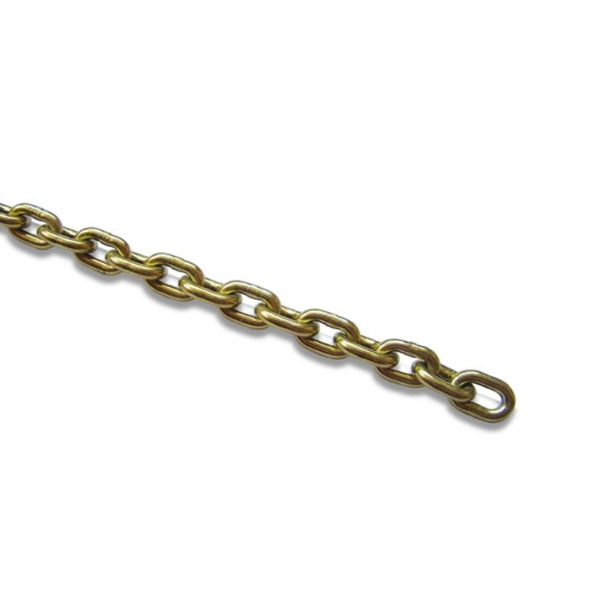
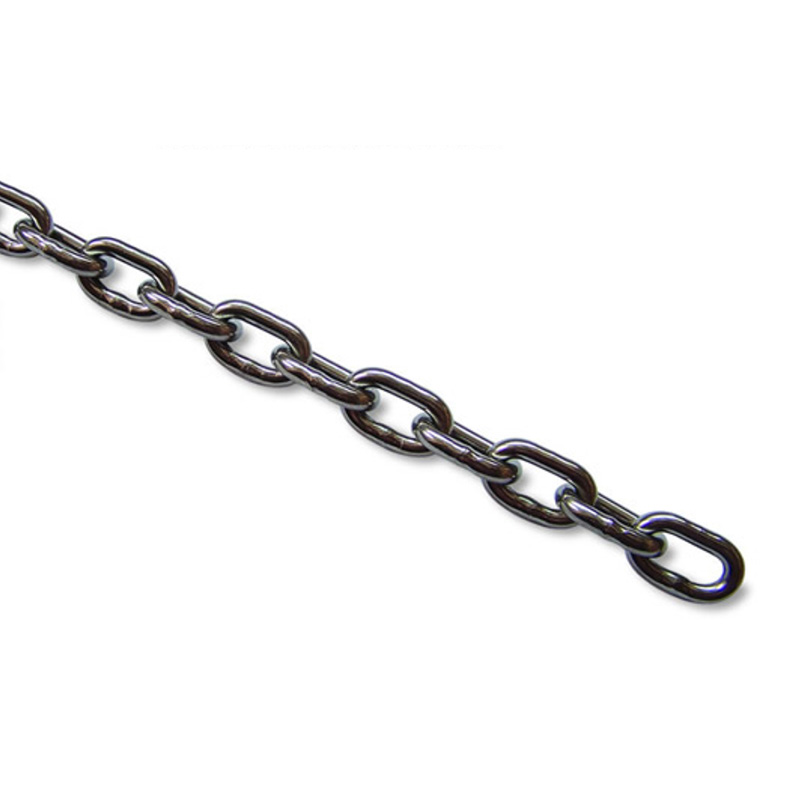
A G70 transport chain, also known as a grade 70 chain, is a high-strength carbon steel chain specifically designed for load securement during transportation. The “G70” designation refers to its tensile strength grade, indicating a higher strength level compared to lower-grade chains such as G30 or G43.
These chains are commonly used in:
- Flatbed trucking
- Freight transport
- Heavy equipment hauling
- Agricultural logistics
- Industrial cargo movement
The defining feature of a G70 transport chain is its ability to provide reliable load restraint while maintaining a manageable weight and ease of handling.
Key Features That Ensure Safety
High Tensile Strength
The primary safety advantage of a G70 transport chain lies in its high tensile strength. This allows the chain to withstand substantial loads without deformation or failure.
High tensile strength ensures:
- Resistance to sudden load shifts
- Stability during braking and acceleration
- Reduced risk of chain breakage under stress
Controlled Working Load Limit (WLL)
Each G70 transport chain is manufactured with a clearly defined working load limit. This ensures that users can select the appropriate chain for specific load requirements.
| Parameter | Description |
|---|---|
| Working Load Limit (WLL) | Maximum safe load during operation |
| Minimum Breaking Force | Load at which the chain will fail |
| Safety Factor | Ratio between breaking force and WLL |
The safety factor provides an additional margin, ensuring that the chain operates well within its structural limits.
Heat-Treated Steel Construction
G70 transport chains are made from heat-treated carbon steel, which enhances their mechanical properties. Heat treatment improves:
- Strength and hardness
- Resistance to wear and fatigue
- Structural integrity under dynamic loads
This process ensures consistent performance even under demanding transport conditions.
Structural Design for Reliability
Uniform Link Geometry
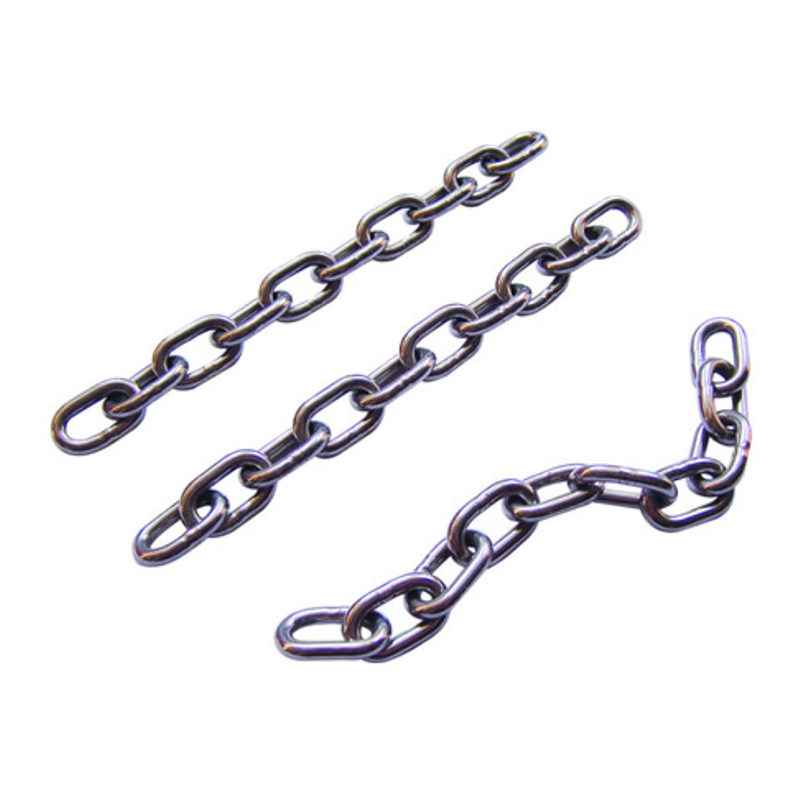
The links of a G70 transport chain are engineered for uniformity. This ensures even distribution of stress across the chain, minimizing weak points.
Benefits include:
- Reduced localized stress concentration
- Improved load distribution
- Enhanced durability
Welded Link Integrity
Each link is welded using controlled processes to ensure consistent strength throughout the chain. Proper welding prevents link separation under load.
| Design Element | Function |
|---|---|
| Weld Seam | Maintains link continuity |
| Link Thickness | Determines load-bearing capacity |
| Link Shape | Enhances flexibility and load alignment |
Surface Finishing
Most G70 transport chains feature a protective finish, often a gold chromate coating. This not only provides corrosion resistance but also serves as a visual indicator of grade classification.
Performance Under Real-World Conditions
Resistance to Dynamic Forces
During transportation, loads are subjected to dynamic forces such as:
- Sudden braking
- Acceleration
- Road vibrations
- Sharp turns
A G70 transport chain is designed to absorb and withstand these forces without compromising load security.
Environmental Durability
Transport chains are often exposed to harsh environments, including:
- Moisture and humidity
- Temperature fluctuations
- Dust and debris
The material and coating of a G70 transport chain ensure resistance to corrosion and environmental degradation, maintaining performance over time.
Compliance With Safety Standards
Safety and reliability are reinforced through compliance with recognized standards. G70 transport chains are typically manufactured to meet transport and safety regulations, ensuring consistency and reliability.
Key Compliance Aspects
| Standard Aspect | Importance |
|---|---|
| Load Rating Marking | Ensures proper usage |
| Traceability | Enables quality control |
| Testing Requirements | Verifies strength and durability |
Compliance ensures that each chain meets strict performance criteria before being used in real-world applications.
Proper Usage for Maximum Safety
Even the most reliable G70 transport chain requires correct usage to ensure safety. Improper handling or application can compromise its effectiveness.
Correct Chain Selection
Selecting the appropriate chain involves considering:
- Load weight
- Load type (static or dynamic)
- Transport conditions
Using a chain below the required working load limit can lead to failure.
Proper Tensioning
Chains must be adequately tensioned to secure the load without excessive slack.
- Too loose: Load movement risk
- Too tight: Potential chain stress damage
Secure Attachment Points
The effectiveness of a G70 transport chain depends on strong anchor points. These must be:
- Structurally sound
- Properly aligned
- Free from damage
Inspection and Maintenance
Regular inspection and maintenance are essential to ensure ongoing safety and reliability.
Visual Inspection Checklist
| Inspection Item | What to Look For |
|---|---|
| Link Deformation | Bent or stretched links |
| Surface Damage | Cracks, corrosion, or wear |
| Weld Integrity | Signs of separation or weakness |
| Coating Condition | Loss of protective layer |
Maintenance Practices
- Clean chains after use
- Store in dry environments
- Avoid exposure to corrosive substances
- Replace damaged chains immediately
Routine maintenance extends the lifespan of the chain and ensures consistent performance.
Advantages Over Other Load Securing Methods
While straps and ropes are commonly used for cargo securing, a G70 transport chain offers distinct advantages:
| Feature | G70 Transport Chain | Other Methods |
|---|---|---|
| Strength | High | Moderate |
| Durability | Long-lasting | Limited lifespan |
| Resistance to Damage | Excellent | Prone to wear |
| Reliability | Consistent under heavy load | Variable |
These advantages make it particularly suitable for heavy-duty applications where safety cannot be compromised.
Common Applications
The versatility of a G70 transport chain allows it to be used across multiple industries:
- Construction equipment transport
- Industrial machinery relocation
- Agricultural vehicle hauling
- Freight and logistics operations
Its adaptability ensures reliable performance across diverse transport scenarios.
Conclusion
A G70 transport chain ensures safety and reliability through a combination of high tensile strength, precision engineering, and strict compliance with safety standards. Its robust construction, resistance to environmental factors, and ability to handle dynamic loads make it an essential tool in modern transportation.
However, achieving optimal performance depends not only on the chain itself but also on proper selection, usage, and maintenance. By understanding these factors, users can maximize the safety and effectiveness of their load-securing systems.
FAQ
1. What does “G70” mean in a G70 transport chain?
G70 refers to the chain’s strength grade, indicating high tensile strength suitable for load securing applications.
2. Can a G70 transport chain be used for lifting?
No, G70 transport chains are designed for load securing, not overhead lifting, as they are not rated for lifting operations.
3. How often should a G70 transport chain be inspected?
Chains should be inspected before each use and periodically during operation to ensure there is no damage or wear.
4. What are the signs that a chain should be replaced?
Signs include bent links, cracks, corrosion, or any visible deformation that could compromise strength.
5. How should a G70 transport chain be stored?
It should be stored in a clean, dry environment away from moisture and corrosive substances to prevent degradation.