English
 Español
 Deutsch
 日本語
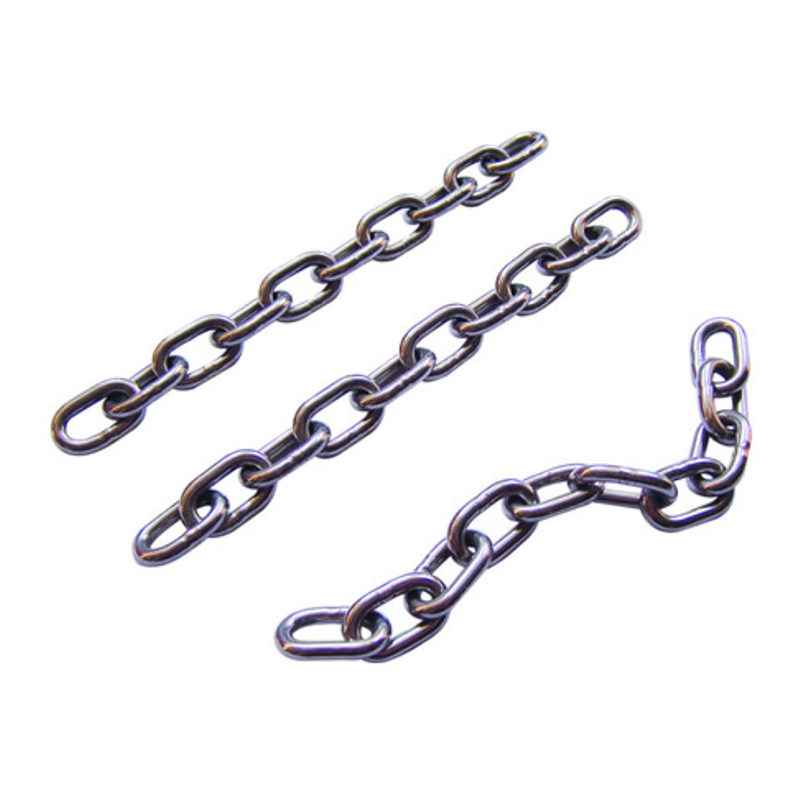
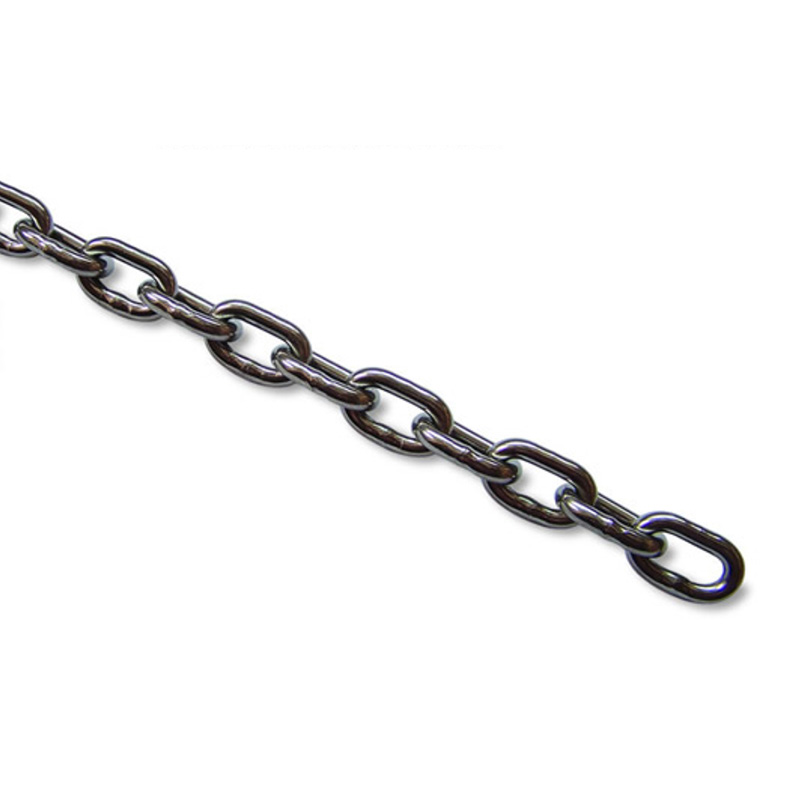
日本語Steel link chains are widely used in various industries for their strength, durability, and versatility. However, choosing the right steel link chain for specific needs can be a daunting task due to the many available options.
Introduction to Steel Link Chains
Steel link chains are constructed from interconnected links of steel, designed to bear heavy loads and withstand significant tension. Their primary uses span across multiple sectors, from construction and mining to transportation and agriculture.
Key Features of Steel Link Chains:
- Strength and Durability: Made from high-quality steel, these chains offer robust resistance to wear and corrosion.
- Versatility: Used in a variety of environments, steel link chains can be customized for specific tasks.
- Easy Maintenance: Regular inspection and lubrication ensure a long service life.
Different Types of Steel Link Chains
Before selecting the right steel link chain, it’s essential to understand the different types available. Below are the most commonly used varieties:
Plain Carbon Steel Chains
These are the most basic type of steel link chain, made from carbon steel. They are ideal for applications where corrosion resistance is not a priority.
Stainless Steel Chains
Stainless steel chains offer higher resistance to rust and corrosion, making them suitable for harsh environments such as marine applications.
Galvanized Steel Chains
These chains are coated with zinc, offering enhanced protection against corrosion, making them ideal for outdoor use.
Alloy Steel Chains
Manufactured using alloy steel, these chains offer superior strength and resistance to wear. They are typically used in high-load applications.
Coated and Lubricated Chains
These chains are often coated with materials such as plastic or lubricated with special oils to reduce friction and wear.
Factors to Consider When Choosing a Steel Link Chain
When selecting the right steel link chain, various factors should be taken into account. These factors influence the chain’s longevity, performance, and ability to handle specific loads.
Load Capacity
The load capacity is a crucial factor in chain selection. Steel link chains are designed to bear different levels of tension. Ensuring that the chain can handle the expected load will help avoid breakage or deformation.
| Chain Type | Load Capacity | Recommended Use Cases |
|---|---|---|
| Plain Carbon Steel | Medium to High | General-purpose applications |
| Stainless Steel | High | Marine, chemical industries |
| Galvanized Steel | Medium | Outdoor use, construction |
| Alloy Steel | Very High | Heavy-duty lifting, mining |
Environmental Conditions
The environmental conditions in which the chain will be used play a significant role in selecting the correct type of steel link chain.
- Corrosive Environments: Stainless steel or galvanized steel chains are ideal for outdoor or marine environments.
- High-Temperature Applications: High-alloy steel chains are better suited for high-heat environments, such as in industrial or heavy-duty applications.
- Heavy Abrasion: Chains with special coatings or lubricants provide additional protection in environments with high wear and tear.
Chain Size and Length
The size and length of the chain depend on the specific application. Ensure that the chain fits the intended machinery or lifting equipment.
Resistance to Wear and Tear
For applications involving frequent movement, such as conveyors, chains with high abrasion resistance should be prioritized. Alloy steel or coated chains are often preferred for such purposes.
Maintenance Needs
Chains that require frequent lubrication or special maintenance should be considered in applications where downtime needs to be minimized.
Cost vs. Performance
While the initial cost of a steel link chain might vary depending on the material and design, it is essential to balance performance needs with the available budget. Investing in a higher-quality chain may save costs in the long run by reducing maintenance and downtime.
Common Applications of Steel Link Chains
Steel link chains are used in a variety of industries, and selecting the right chain often depends on the specific application.
Construction and Heavy Machinery
For heavy lifting and load-bearing applications, alloy steel chains are often used due to their superior strength and durability. These chains help ensure that machinery can operate under high stress without failure.
Agriculture and Farming
In agriculture, steel link chains are used for irrigation systems, lifting equipment, and livestock handling systems. Corrosion-resistant chains, such as galvanized or stainless steel, are often chosen to withstand exposure to weather and moisture.
Mining and Quarrying
Chains used in mining and quarrying must endure extreme conditions. Alloy steel chains offer high strength to handle heavy loads and wear resistance to deal with the harsh environments of mining operations.
Marine Applications
For marine applications, stainless steel chains are often preferred for their ability to resist corrosion from saltwater and maintain strength even in wet environments.
How to Maintain Your Steel Link Chain
Proper maintenance of steel link chains ensures a longer lifespan and optimal performance. Regular inspection, lubrication, and cleaning are essential steps for maintaining chain integrity.
Regular Inspection
Inspect the chain for signs of wear, corrosion, or deformation. This should be done routinely, especially in high-use applications.
Lubrication
Proper lubrication reduces friction, preventing wear and prolonging the chain’s service life. Use appropriate oils or greases recommended for the specific chain type.
Cleaning
Cleaning the chain to remove debris and dirt prevents unnecessary friction and potential damage. Special cleaning solutions may be required for specific types of chains.
Conclusion
Choosing the right steel link chain for your specific needs involves considering factors such as load capacity, environmental conditions, chain size, and maintenance requirements. By selecting the appropriate chain material and type, you can enhance the efficiency and longevity of your equipment, reduce downtime, and improve overall safety.
FAQ
1. What is the primary difference between stainless steel and galvanized steel chains?
Stainless steel chains offer superior corrosion resistance and are ideal for marine and chemical industries, while galvanized steel chains are coated with zinc for enhanced protection against rust in outdoor environments.
2. How do I determine the correct load capacity for my chain?
The load capacity depends on the specific type of chain and its material. Refer to the manufacturer’s guidelines to ensure the chain can safely handle the expected load.
3. Can I use plain carbon steel chains in outdoor environments?
Plain carbon steel chains are not recommended for outdoor use as they are more prone to corrosion. It is better to choose galvanized steel or stainless steel for such applications.
4. How often should I inspect my steel link chain?
It is recommended to inspect your steel link chain regularly, especially in high-use applications. Check for signs of wear, corrosion, or damage that could affect performance.
5. Are coated steel chains better than uncoated ones?
Coated steel chains, such as those with plastic or zinc coatings, offer additional protection against corrosion and wear, making them more suitable for harsh environments.