English
 Español
 Deutsch
 日本語
日本語Introduction
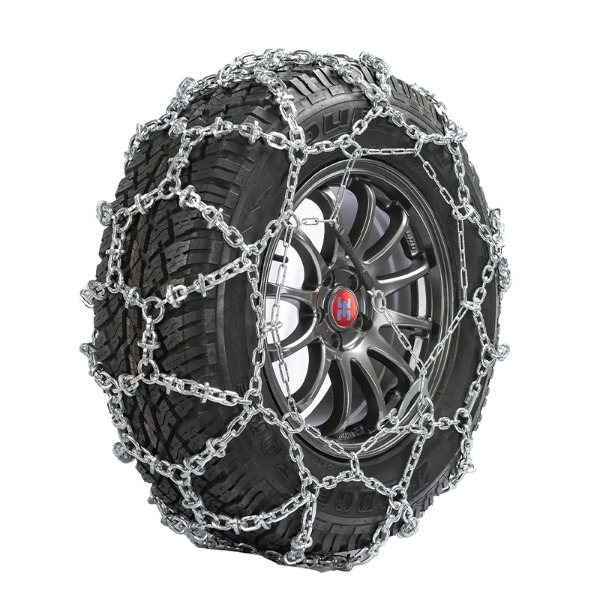
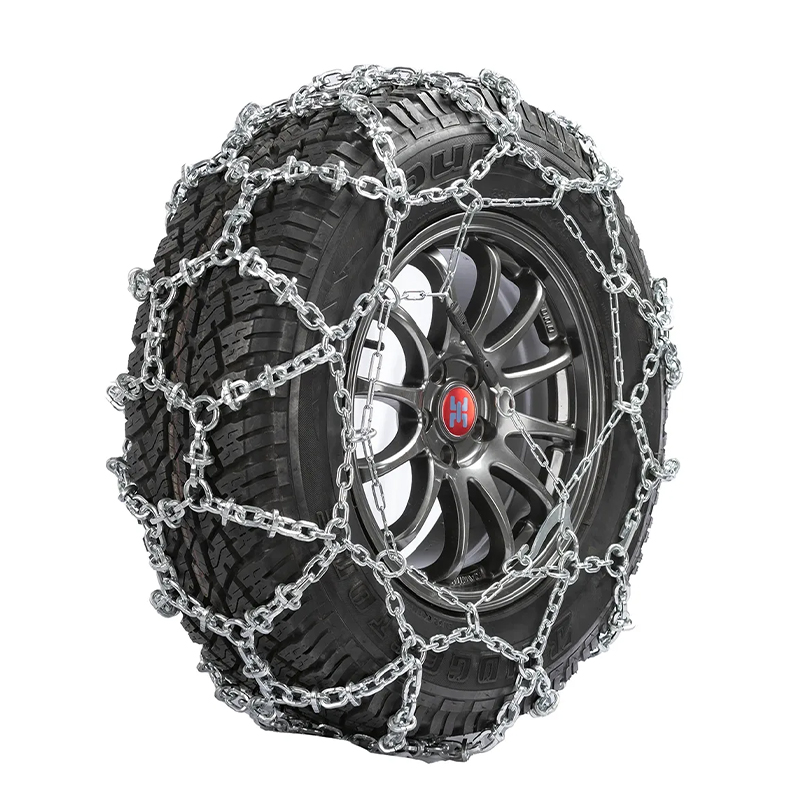
As winter weather approaches, ensuring your vehicle is ready for snow-covered roads is essential for both safety and performance. One of the most effective ways to enhance tire traction in snowy and icy conditions is by installing snow chains. Snow chains for tires provide additional grip on slippery surfaces, helping prevent skidding and reducing the likelihood of getting stuck in deep snow.
Why Use Snow Chains for Tires?
Snow chains are vital for vehicles driving in harsh winter conditions. They are especially useful in areas that experience heavy snowfalls, steep inclines, or icy conditions. Here are a few key benefits of using snow chains:
- Improved Traction: Snow chains grip the snow and ice, providing better control and reducing slippage.
- Safety: Using snow chains can significantly decrease the chances of losing control or getting stuck in snow, especially in remote or mountainous areas.
- Legal Requirements: In some regions, using snow chains is a legal requirement when driving in snowy conditions.
By understanding the importance of snow chains, you’ll be more confident in fitting them when the time comes.
Step-by-Step Guide to Fitting Snow Chains on Tires
Fitting snow chains might seem intimidating at first, but with the right approach, it’s a manageable task. Follow these steps to ensure that your snow chains are installed correctly and safely:
Choose the Right Snow Chains for Your Tires
Before beginning the installation, ensure that the snow chains are compatible with your tires. Most snow chains are designed for specific tire sizes, so it’s essential to check that the size of the chain matches your tire dimensions. Refer to your vehicle’s manual or the snow chain packaging for the correct size.
Prepare Your Vehicle
Park your vehicle on a flat, stable surface to ensure safety while installing the snow chains. Engage the parking brake, turn off the engine, and place your vehicle in gear or “Park” mode. This ensures that the vehicle doesn’t roll while you’re working.
Lay Out the Snow Chains
Unroll the snow chains and lay them out flat on the ground. Check for any tangles, twists, or damage that could interfere with the installation. It’s also a good idea to inspect the chains for any missing links or defective components before proceeding.
Position the Snow Chains
For this step, it’s important to position the snow chains correctly over the tire. Begin by draping the snow chain over the top of the tire, ensuring that the chain is evenly distributed across the surface. The chains should be placed in the center of the tire, ensuring they don’t touch the sidewall or rim.
Connect the Snow Chains
Once the snow chains are in place, begin connecting the fasteners. Most snow chains use a hook-and-link system, where the ends of the chain are linked together using a fastener. Start by securing the top of the chain and gradually move to the sides and bottom of the tire.
Tighten the Chains
After connecting the chains, tighten them by pulling on the adjustment straps. Snow chains should be snug but not overly tight. They need to be able to shift slightly to accommodate tire movement, but they shouldn’t be loose enough to fall off. Some snow chains come with an automatic tensioning system, while others may require manual tightening.
Test the Fit
Once the snow chains are secured, gently move the vehicle forward a few feet and stop to check the fit. Ensure the chains are evenly positioned around the tire and that there is no rubbing against the sidewalls. If necessary, make adjustments to ensure the chains are properly fitted.
Repeat for the Other Tires
If your vehicle has more than two drive tires, repeat the same process for the other tires. Make sure that each tire is securely equipped with the snow chains before driving.
Drive Carefully
After installing the snow chains, drive cautiously, especially when starting, stopping, and turning. Snow chains provide enhanced traction, but they can affect the handling of the vehicle on dry or non-snowy roads. When you no longer need the snow chains, carefully remove them as soon as possible to avoid unnecessary wear.
Snow Chain Maintenance Tips
To ensure your snow chains last for multiple seasons, proper maintenance is essential. Here are a few maintenance tips:
- Clean After Use: After driving in snow or ice, remove the snow chains and clean them to remove any accumulated snow, ice, or road salt. This will help prevent corrosion and keep the chains in good working condition.
- Store Properly: Store snow chains in a dry, cool place when not in use. Avoid leaving them in damp areas, as moisture can lead to rust.
- Check for Wear: Regularly inspect the chains for signs of wear, including broken links or frayed straps. Replace damaged chains to ensure your safety.
Common Snow Chain Installation Issues and Solutions
While installing snow chains is generally straightforward, you may encounter some common issues. Here are a few solutions:
- Chains Are Too Tight: If the chains are too tight, they may cause excessive wear on the tires. Loosen the chains slightly to ensure they can move with the tire.
- Chains Are Too Loose: Loose chains can fall off or cause damage to the vehicle. Tighten the chains until they are snug but not overly tight.
- Chains Don’t Fit: If the snow chains are too small for the tire, check if you have the correct size. Some vehicles may require special chains or tire sizes, so double-check the compatibility.
FAQ
1. Can I drive on dry roads with snow chains?
No, snow chains should only be used on snow or ice-covered roads. Driving on dry roads with snow chains can cause excessive wear and damage to both the chains and the tires.
2. How fast can I drive with snow chains installed?
It’s recommended to drive no faster than 30 mph (50 km/h) when snow chains are installed. Higher speeds can cause the chains to wear out or break.
3. Do snow chains work on all types of tires?
Snow chains are generally compatible with most types of tires, but it’s essential to check the tire size and type before purchasing. Certain tires, such as low-profile or large-sized tires, may require specialized chains.
4. How do I know if snow chains are necessary for my vehicle?
If you plan to drive in areas with frequent snow or ice, snow chains can significantly improve traction and safety. Check local regulations, as some regions may require snow chains during winter months.
Conclusion
Properly fitting snow chains on tires is an essential skill for safe winter driving. With this step-by-step guide, you can confidently install snow chains and be prepared for winter conditions. Remember to choose the right size for your tires, install them carefully, and drive cautiously to ensure your safety on snowy and icy roads.