English
 Español
 Deutsch
 日本語
日本語Introduction
Truck drivers face a variety of weather challenges that can significantly affect the safety and efficiency of their operations. Among the most essential safety tools for overcoming these challenges are tire chains.
What Are Tire Chains for Trucks?
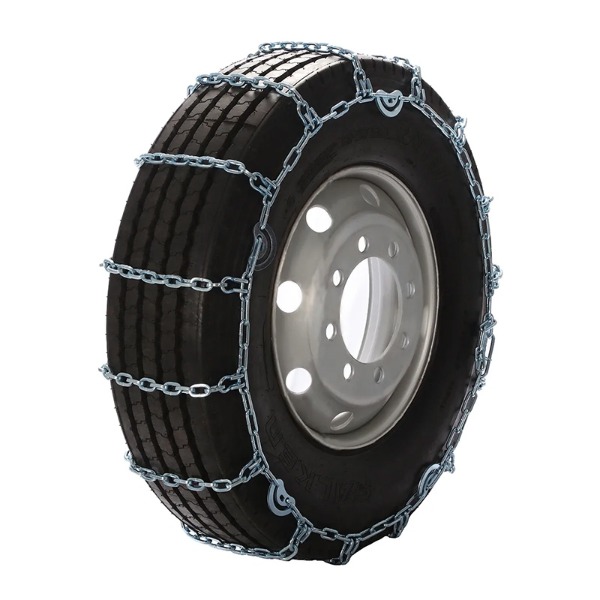
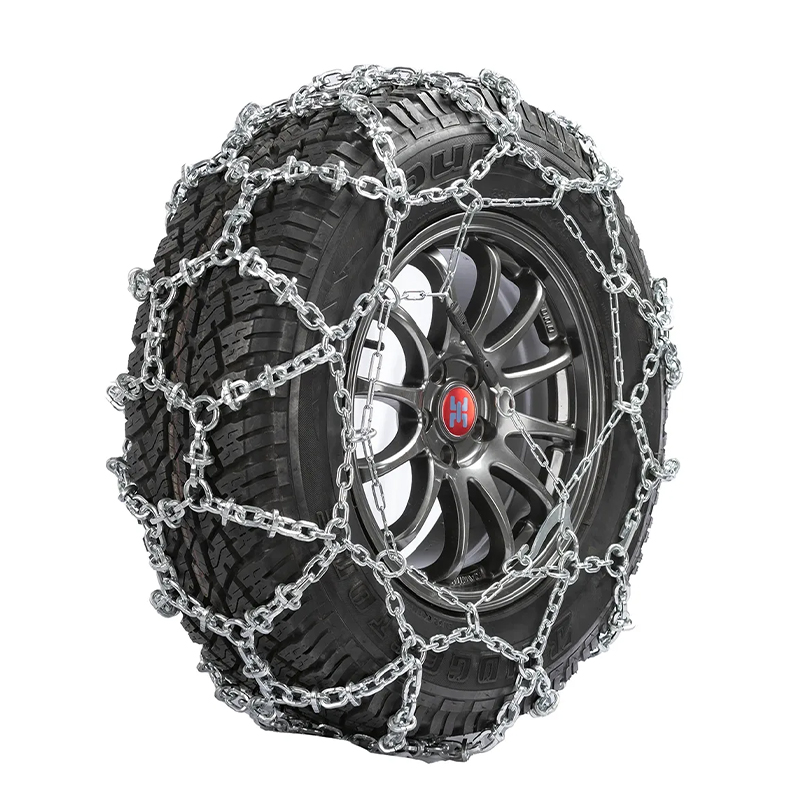
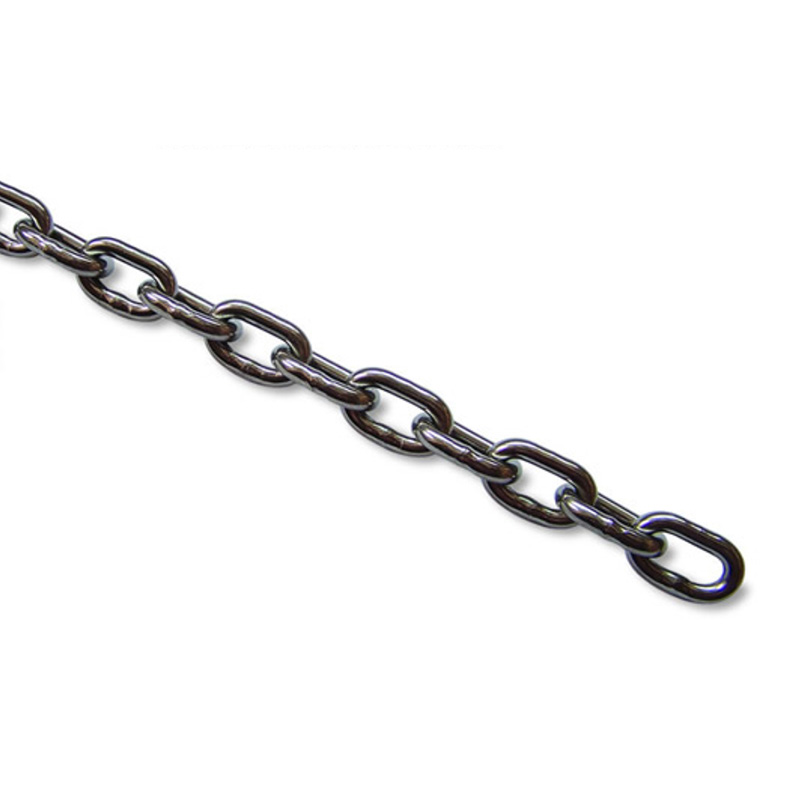
Tire chains are metal devices designed to be fitted around a truck’s tires to provide enhanced traction on slippery surfaces. They are especially crucial for driving in harsh weather conditions such as snow, ice, or muddy terrain. These chains help prevent slipping and sliding, providing additional grip and allowing trucks to navigate safely through challenging environments.
Types of Tire Chains for Trucks
| Type | Description | Ideal Use Case |
|---|---|---|
| Ladder Type Cross Chain | Features a series of cross links forming a ladder pattern. | Effective in moderate to heavy snow/ice. |
| Diamond Pattern Chain | More compact and offers smoother rides. | Best for icy roads with limited snow depth. |
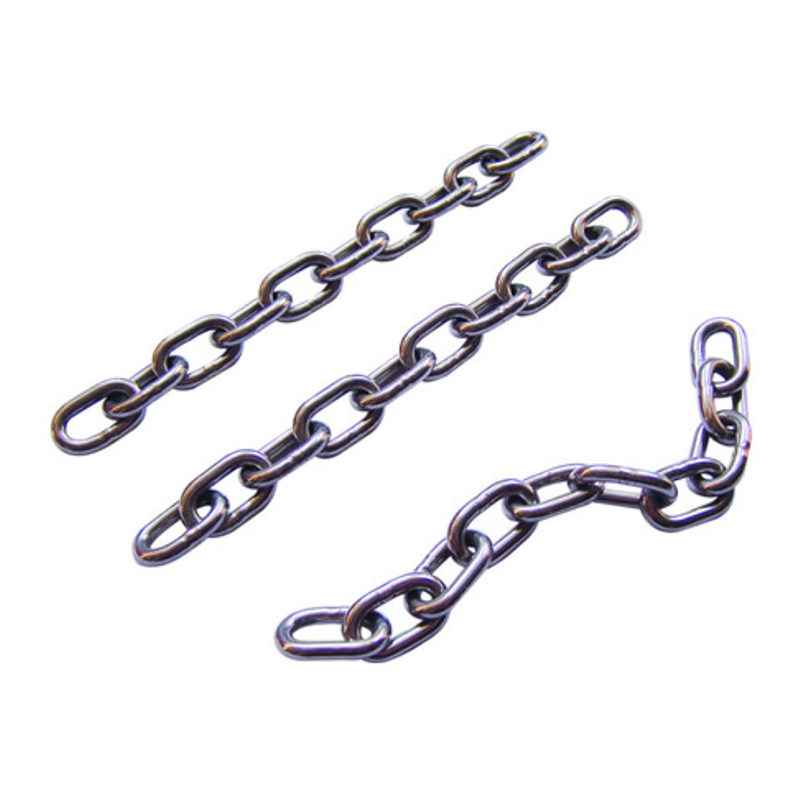
| Square Link Chains | Provides excellent durability, especially in rough terrain. | Ideal for steep inclines and off-roading. |
The Role of Tire Chains in Different Weather Conditions
Tire chains are most effective in weather conditions that cause road surfaces to become slippery and challenging. These include snow, ice, and rainstorms, among others. Here’s a breakdown of the weather conditions in which tire chains for trucks play a crucial role:
Snowy Conditions
Heavy snowfall can quickly turn roads into slippery and hazardous paths for truck drivers. In such conditions, tire chains enhance the traction between the tires and the snow-covered ground. Ladder type cross chains are particularly effective in these circumstances because their design allows them to bite into the snow, providing better grip and reducing the risk of slippage. Snow depths of 4 inches or more can significantly reduce traction, making tire chains necessary for safe navigation.
Ice and Freezing Rain
Ice presents a unique challenge for truck drivers, as it creates a thin but extremely slick surface. This makes driving without proper traction devices risky. Tire chains help trucks gain enough traction to safely navigate icy roads. The cross-chain design provides more contact points with the ice, creating friction to prevent slipping. Ladder type cross chains are a strong option here as they offer effective braking and turning support, which is critical on icy surfaces.
Muddy and Wet Roads
Rainstorms or spring thaw conditions can create muddy, slippery roads that are difficult to drive on. Tire chains help by improving the truck’s traction on these wet surfaces. In conditions where trucks are likely to get stuck or bogged down in the mud, chains can prevent the tires from spinning, allowing vehicles to move more efficiently. These chains dig into the softer ground and help create a stable path for the truck.
Mountainous or Hilly Terrain
In areas with steep inclines, such as mountainous roads, tire chains are an invaluable asset. Even if roads are not covered in snow or ice, the added traction is necessary to help trucks maintain control on sharp turns and steep grades. Chains provide the extra grip needed to prevent slipping or losing control, even on non-snowy surfaces. For trucks navigating mountainous terrain in winter, the ladder type cross chain is an excellent choice due to its versatility in both flat and inclined conditions.
Low-Temperature Conditions
Even in dry conditions, extremely cold temperatures can cause the road to become slick, especially in shaded areas where ice can form even without visible snow. The freezing temperatures can also cause the road’s surface to be less grippy. Tire chains are effective in these scenarios, as they give trucks the necessary traction to avoid sliding, even when snow is not present. Chains are often recommended for trucks operating in regions where temperatures regularly drop below freezing, regardless of snow conditions.
How Tire Chains Improve Safety and Efficiency
Tire chains improve both safety and efficiency in adverse weather conditions. When trucks are equipped with the right type of chain, they can achieve higher levels of control on slippery surfaces. This reduction in slipping leads to fewer accidents, safer deliveries, and reduced downtime due to weather-related delays.
- Improved Braking Power: Tire chains increase the braking force on slippery surfaces, which is critical for preventing accidents during sudden stops.
- Enhanced Cornering and Steering Control: With tire chains, trucks can turn more effectively without losing control, even in the slickest conditions.
- Reduced Tire Wear: In icy or snowy conditions, tires without chains can experience excessive wear as they struggle for grip. Chains help distribute the force more evenly, extending the lifespan of tires.
Installing Tire Chains on Trucks
Installing tire chains is a straightforward process, but it requires attention to detail to ensure they are mounted correctly. Chains should be placed evenly across the tire’s tread, ensuring that they are tight but not overly restrictive. Always check the manufacturer’s recommendations for specific instructions, and ensure that chains are checked regularly for any wear or damage.
Step-by-Step Guide for Installing Tire Chains
| Step | Action |
|---|---|
| Step 1 | Lay the chain flat on the ground in front of the tire. |
| Step 2 | Drape the chain over the tire, ensuring even coverage. |
| Step 3 | Secure the chain around the tire and tighten. |
| Step 4 | Drive the truck forward slightly to adjust the fit. |
| Step 5 | Recheck the tightness and secure the chain fully. |
Key Considerations When Using Tire Chains for Trucks
While tire chains offer significant benefits, it is important to use them properly and ensure they are appropriate for the weather and road conditions. Some additional considerations include:
- Speed Limitations: Chains can affect the truck’s speed. Driving at high speeds with tire chains can lead to damage to both the chains and the road.
- Road Surface Types: Tire chains are most effective on snow and ice, but they can cause damage to pavement and roads when used on clear, dry roads.
- Legal Requirements: Some regions mandate the use of tire chains in certain weather conditions. Be sure to follow local regulations.
FAQ
1. What is the best type of tire chain for trucks?
The ladder type cross chain is highly recommended for trucks due to its balance between performance and ease of use in various weather conditions.
2. Can I drive on dry roads with tire chains?
It is not recommended to drive on dry roads with tire chains, as this can cause damage to the tires and road surface.
3. How do I know if my tire chains are installed correctly?
Ensure the chains are evenly placed and tightly secured around the tire without excessive slack. A proper fit ensures maximum effectiveness.
4. Are tire chains easy to install?
Yes, installing tire chains is relatively easy, but it’s important to practice beforehand to ensure quick installation when needed.