English
 Español
 Deutsch
 日本語
日本語Introduction
Ratchet straps are an essential tool for securing cargo during transport, ensuring that items stay in place and preventing damage. However, improper use of these tie-down straps can lead to accidents, damage, or even personal injury.
Incorrect Strap Length and Load Size
One of the most frequent mistakes made when using ratchet straps is choosing the wrong length of strap for the load being secured. If the strap is too long or too short, it will either not provide the necessary tension or may cause unnecessary slack that can lead to a shifting load during transport.
How to Avoid It:
- Always measure the length of your load before choosing your ratchet strap.
- Ensure the strap length is adequate to cover the entire width or length of the cargo.
- If the strap has excess length, use a ratchet strap with adjustable features or opt for a shorter one.
Tip: Choose straps that are slightly longer than the load but not excessively long.
Over-tightening the Ratchet Straps
Over-tightening ratchet straps is a common error that can lead to damaged cargo or even broken straps. While it’s important to ensure the load is secure, excessive tension can cause the cargo to become deformed or cause the straps to fail.
How to Avoid It:
- Tighten the ratchet strap only to the point where the load feels secure and there is minimal slack.
- Do not force the ratchet beyond its intended capacity.
- Inspect the straps for signs of damage after tightening.
Tip: Ensure that you’re using straps that match the weight and load of your cargo.
Using Damaged or Worn-Out Ratchet Straps
Using old or worn-out ratchet straps can compromise the safety of your load. Ratchet straps that have frayed edges, cuts, or broken mechanisms can easily snap under pressure.
How to Avoid It:
- Always inspect your straps before use, checking for any signs of wear and tear.
- Replace any strap that shows signs of significant damage.
- Store your ratchet straps properly to prevent them from becoming damaged by exposure to sunlight or moisture.
Tip: Keep a maintenance log and inspect your straps regularly, especially if they are frequently used.
Failing to Properly Thread the Strap through the Ratchet Mechanism
Improper threading of the strap through the ratchet mechanism can prevent the strap from functioning properly, potentially causing the load to become unsecured during transport.
How to Avoid It:
- Ensure that the strap is threaded through the ratchet in the correct direction as indicated by the manufacturer.
- Double-check that the strap is securely fastened into the mechanism before ratcheting it tight.
- Avoid using the ratchet mechanism to create tension if the strap is incorrectly threaded.
Tip: Follow the manufacturer’s instructions carefully when securing your load.
Not Using Enough Straps for Large Loads
When securing large or heavy cargo, it’s crucial to use enough ratchet straps to distribute the load evenly. Using a single strap or too few straps can put excessive strain on the ratchet mechanism and cause the load to shift or even become detached.
How to Avoid It:
- Use multiple straps for heavy or bulky items.
- Distribute the straps across different points of the load for better security.
- Ensure that the straps are positioned in such a way that they can effectively hold the cargo in place.
Tip: For extra-large loads, consider using specialized straps designed for higher capacities.
Ignoring Safety Precautions
Another common mistake is neglecting safety precautions when using ratchet straps. Failure to ensure that the straps are securely fastened, or improper handling of the ratchet mechanism, can result in accidents or injuries.
How to Avoid It:
- Always ensure that the cargo is stable and the straps are tight before moving your vehicle.
- Keep hands and fingers away from the ratchet mechanism during tightening.
- If using the straps on a vehicle, ensure that the load is not exceeding the vehicle’s recommended weight limits.
Tip: If you’re unsure about the safety of the straps, consult with a professional to ensure you are securing the load properly.
Not Accounting for Strap Stretching
Ratchet straps can stretch under heavy loads, which may cause them to lose some of their tension after being applied. Failure to account for this stretching can lead to a loose load.
How to Avoid It:
- Tighten the straps once, then check after a short drive or shake to see if the tension needs adjustment.
- If necessary, re-tighten the straps to maintain secure tension.
Tip: Some straps are designed with materials that resist stretching, offering more stable load security over longer trips.
Ratchet Strap Specifications and Features
| Feature | Description |
|---|---|
| Load Capacity | Maximum weight the strap can safely secure, typically ranges from 1,000 lbs to over 10,000 lbs. |
| Strap Material | Common materials include polyester and nylon, which offer durability and stretch resistance. |
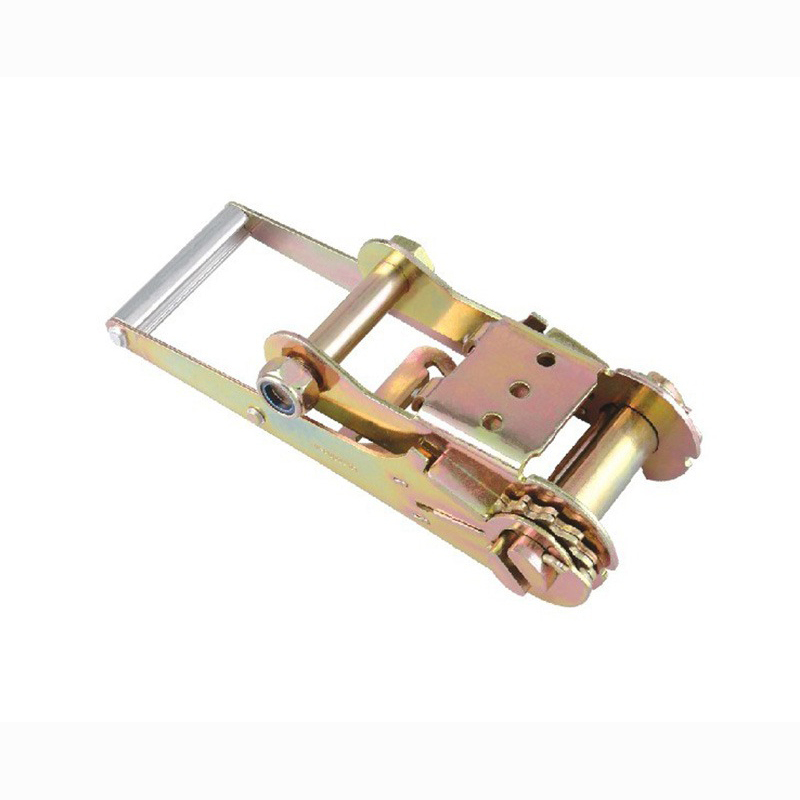
| Ratchet Mechanism | A mechanical device used to tighten the strap and secure the load. Choose high-quality ratchets to ensure durability. |
| Length Options | Ratchet straps come in various lengths, typically from 10 to 30 feet, depending on the cargo size. |
| Width | Width varies from 1 inch to 4 inches, with wider straps generally having a higher load capacity. |
FAQ
Q1: What is the safest way to tighten a ratchet strap?
A1: The safest way is to ensure the strap is threaded properly through the ratchet mechanism, then gently tighten it until the load is stable, avoiding over-tightening.
Q2: How often should ratchet straps be replaced?
A2: Replace ratchet straps if they show signs of fraying, cuts, or damage to the ratchet mechanism. If they are used frequently, inspect them regularly.
Q3: Can I use ratchet straps for securing all types of cargo?
A3: Ratchet straps are versatile and can secure most types of cargo, but ensure you select the right strap based on the weight and type of load you are transporting.
Q4: How do I prevent my ratchet straps from getting damaged during storage?
A4: Store your straps in a dry, cool place, away from direct sunlight and moisture. Avoid leaving them exposed to harsh conditions.
Q5: Can I use ratchet straps on soft or delicate cargo?
A5: Yes, but consider using protective sleeves or pads to prevent damage to sensitive materials when tightening the straps.
Conclusion
Using ratchet straps correctly is key to securing your cargo safely and efficiently. By avoiding common mistakes such as over-tightening, using damaged straps, or not accounting for stretch, you can significantly improve safety and prevent damage during transportation. Proper handling, inspection, and maintenance of your ratchet straps will ensure that they serve you well for years to come.