English
 Español
 Deutsch
 日本語
日本語Load securement is one of the most critical aspects of cargo transportation. Whether goods are transported across short regional routes or long-distance freight lines, stability during transit directly affects safety, efficiency, and cargo integrity. Among all cargo securement tools, the load binder plays an essential role in tightening chains and maintaining proper tension.
A load binder is a mechanical tensioning device designed to connect chain ends and secure heavy cargo tightly to trailers, flatbeds, or transport platforms. Properly selected and correctly used load binders improve operational safety and reduce the risk of shifting loads.
What Is a Load Binder?
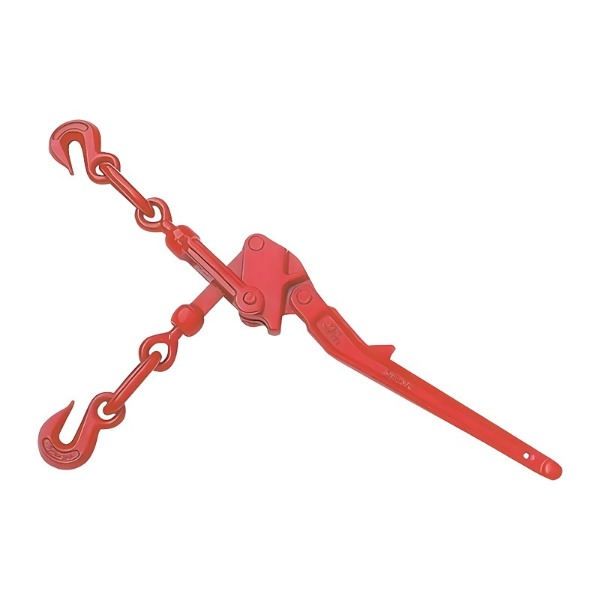
A load binder is a chain tensioning tool used to tighten transport chains around heavy loads. It works by applying mechanical force to reduce chain slack and lock cargo firmly into position.
Load binders are commonly used in industries such as:
- Freight transportation
- Construction equipment hauling
- Logging and forestry
- Industrial machinery movement
- Agricultural equipment transport
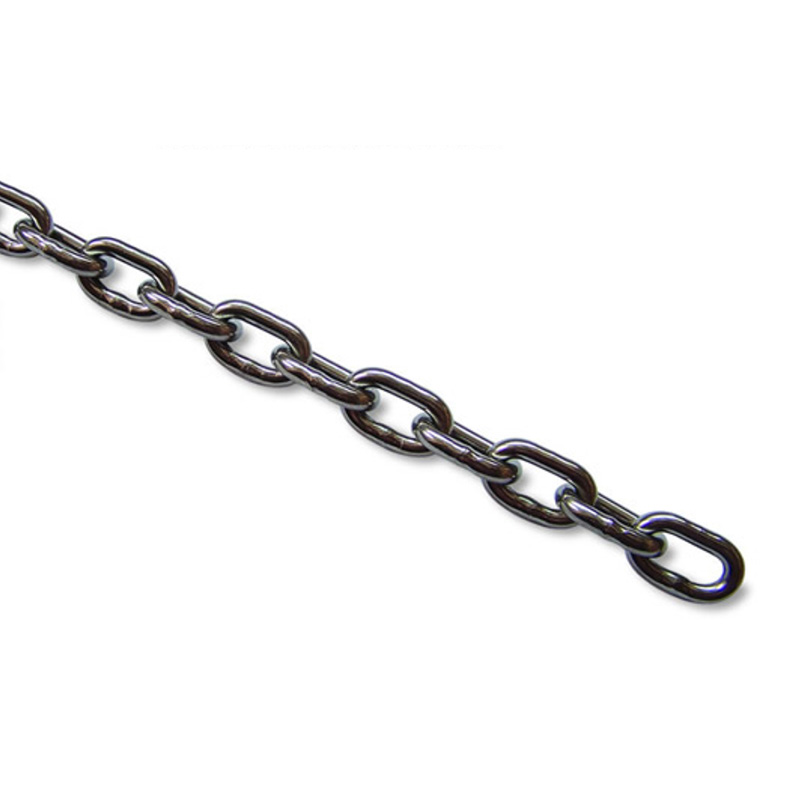
They are typically paired with transport chains to secure loads that are too heavy for straps alone.
Without a properly functioning load binder, chain tension may loosen during transit due to vibration, load settling, or road movement.
Main Types of Load Binder
There are two primary categories of load binder used in cargo securement systems.
| Type | Operating Method | Advantages | Best Use Cases |
|---|---|---|---|
| lever type load binder | Manual lever action | Fast tightening, simple structure | Quick securement tasks |
| Ratchet load binder | Ratcheting handle mechanism | Controlled tensioning, safer release | Heavy-duty and precision applications |
Lever Type Load Binder
The lever type load binder uses leverage force to tighten transport chains. Operators pull the handle over-center to lock the chain under tension.
Key benefits include:
- Fast operation
- Minimal moving parts
- Durable structure
- Easy maintenance
Because of its speed and straightforward operation, the lever type load binder is often used where loading efficiency matters.
However, releasing stored tension requires caution. Improper handling can cause sudden handle recoil, which may result in injury.
Ratchet Load Binder
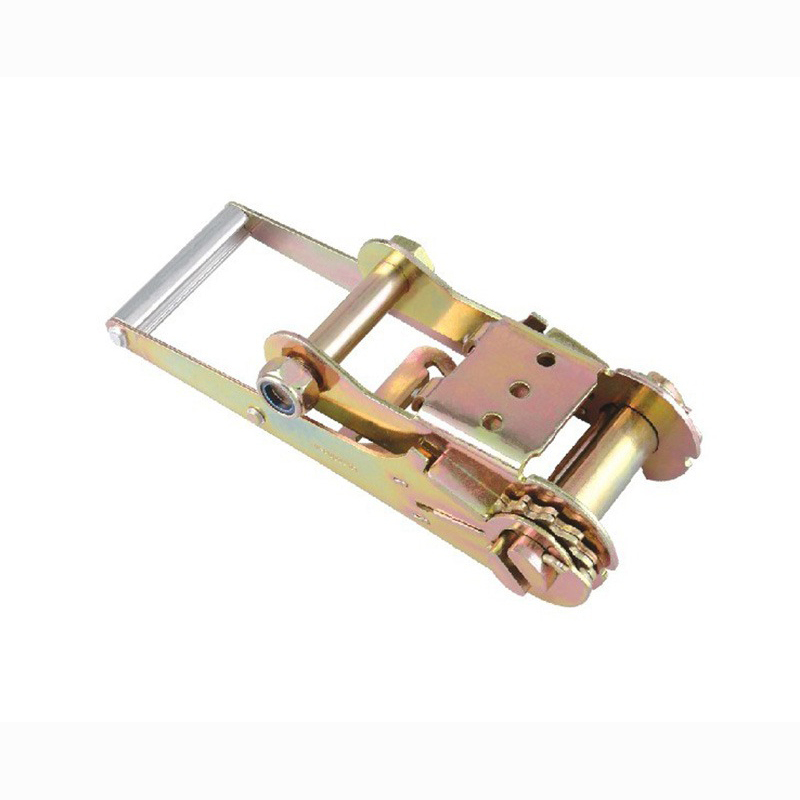
Ratchet models use a threaded mechanism and crank handle for gradual tightening.
Advantages include:
- Precise tension adjustment
- Reduced recoil risk
- Better control during release
- Higher operator safety
Although slower to operate, ratchet binders are preferred when consistent tension control is required.
Common Applications of Load Binder Systems
Different cargo types require different securement strategies. The versatility of load binder systems makes them useful across multiple sectors.
Heavy Equipment Transport
Construction machinery often requires chain binder systems because of extreme weight and movement sensitivity.
Examples include:
- Excavators
- Bulldozers
- Forklifts
- Industrial generators
A lever type load binder can quickly secure these loads during frequent transport cycles.
Steel and Structural Materials
Steel coils, beams, and fabricated components require reliable tensioning to prevent rolling or shifting.
Proper load binder positioning ensures:
- Even force distribution
- Reduced movement during turns
- Better transport stability
Agricultural Equipment
Tractors and attachments often travel on uneven routes. Secure chain tension prevents vibration-induced movement.
Choosing the Right Load Binder
Selecting the correct load binder depends on several operational factors.
| Selection Factor | Why It Matters |
|---|---|
| Chain size compatibility | Ensures secure connection |
| Working load limit | Prevents overload failure |
| Operating environment | Impacts corrosion resistance |
| Tightening frequency | Influences efficiency needs |
| Operator preference | Improves usability |
A mismatched binder reduces safety performance and may compromise cargo restraint.
When selecting a lever type load binder, verify compatibility with transport chain grade and cargo weight requirements.
Essential Load Binder Safety Tips
Safe operation is just as important as product quality.
Inspect Before Every Use
Check for:
- Bent handles
- Cracked welds
- Corrosion
- Damaged threads
- Hook deformation
A compromised load binder should never be used.
Maintain Proper Chain Alignment
Twisted or uneven chains create inconsistent force distribution, increasing failure risk.
Always ensure chains sit straight before tensioning.
Avoid Over-Tightening
Excessive force can damage both chain and cargo.
Proper tension should eliminate slack without stressing the securement system beyond its working limit.
Use Controlled Release Techniques
This is especially important for lever type load binder models.
Recommended practice:
- Maintain stable footing
- Keep body clear of recoil path
- Release slowly and carefully
- Use proper leverage tools if necessary
Follow Working Load Limits
Every load binder has a specified working load capacity.
Exceeding this limit increases the chance of structural failure and unsafe release.
Maintenance Best Practices
Routine care extends service life and preserves performance.
Maintenance checklist:
| Maintenance Task | Frequency |
|---|---|
| Visual inspection | Before each use |
| Lubrication | Regularly |
| Rust removal | As needed |
| Thread cleaning | Monthly |
| Component replacement | Immediately if damaged |
Proper storage also matters. Keep load binders dry and protected from prolonged environmental exposure.
Why Proper Load Binder Use Matters
Cargo securement failures can result in:
- Equipment damage
- Transport delays
- Regulatory violations
- Workplace injuries
A properly selected load binder improves efficiency while reducing operational risks.
Whether using a ratchet model or a lever type load binder, understanding correct application and handling procedures ensures better cargo control performance.
FAQ
1. What is the difference between a load binder and a chain binder?
These terms are often used interchangeably. Both refer to devices that tighten transport chains for cargo securement.
2. Is a lever type load binder safe?
Yes, when used correctly. Proper handling and controlled release techniques are essential to avoid recoil hazards.
3. How often should a load binder be inspected?
Inspection should occur before every use to identify wear, damage, or deformation.
4. Can load binders be used with any chain?
No. A load binder must match the chain size and working load requirements for safe operation.
5. Which is better: ratchet or lever type load binder?
It depends on application needs. Lever binders offer speed, while ratchet binders provide greater control and smoother tension adjustment.