English
 Español
 Deutsch
 日本語
日本語Picking the right universal snow tire chains comes down to matching link material, tire fit range, and installation style to how often a vehicle actually faces snow and ice. A fleet running daily mountain routes needs a different chain than a passenger car pulling chains out twice a winter for an occasional storm.
[What Are Universal Snow Tire Chains]
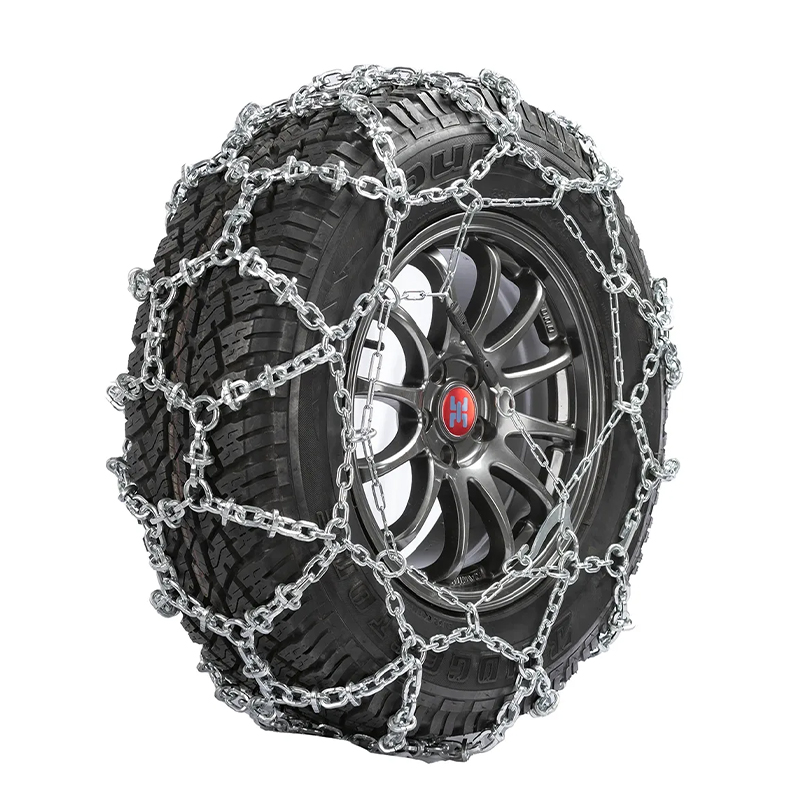
Universal snow tire chains are removable traction devices fitted around a vehicle's tires to increase grip on snow, ice, and slippery road surfaces. Built from alloy steel, carbon steel, or reinforced polymer, the chain links create extra contact points between the tire and the road, cutting wheel slip during acceleration, braking, and cornering on winter terrain.
Core Materials and Build
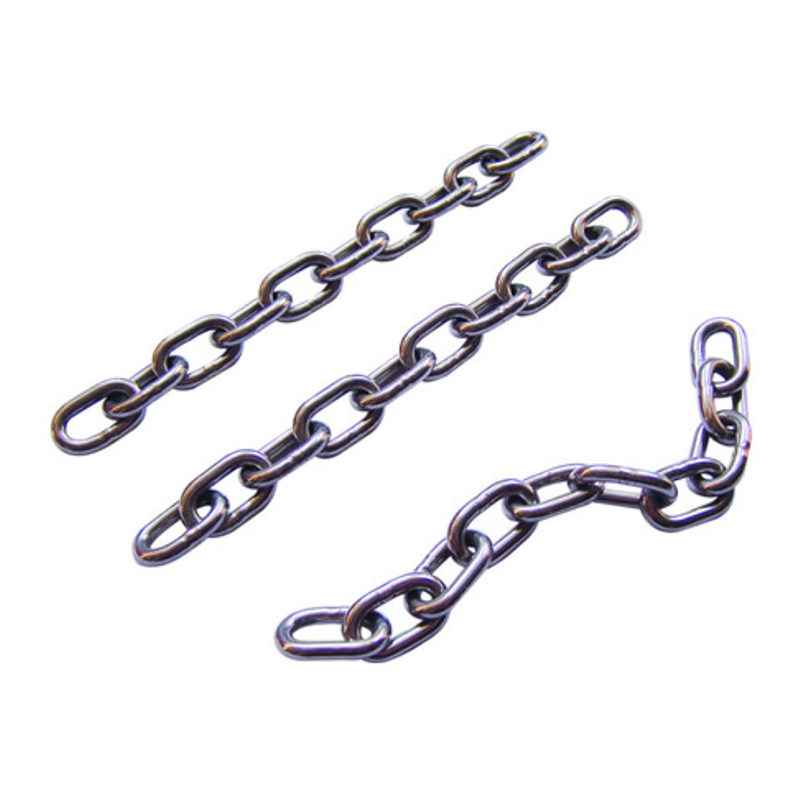
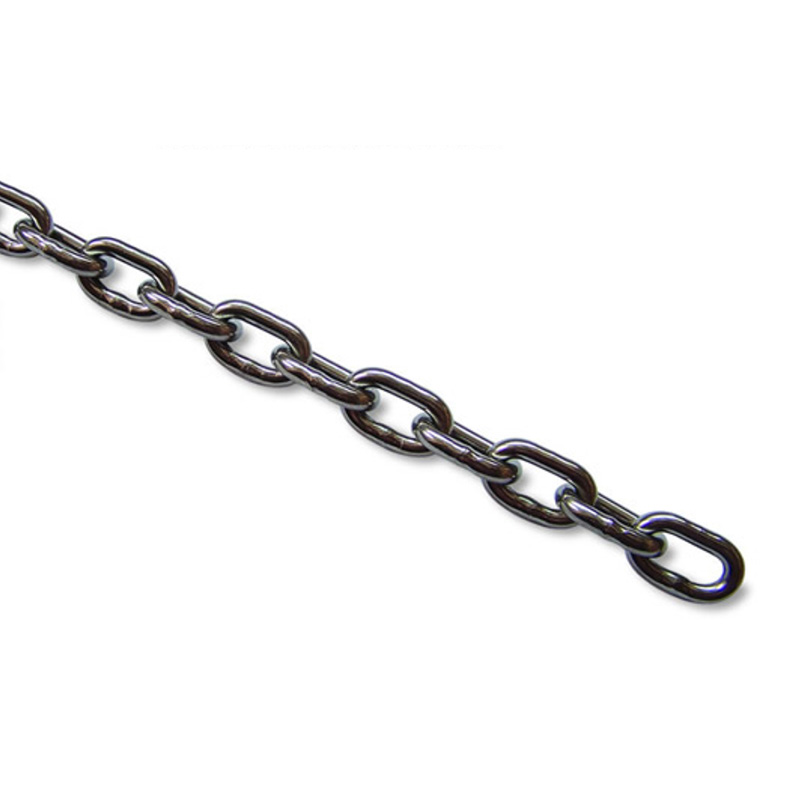
Most chains use hardened steel links for maximum bite on ice, though reinforced polymer options trade some durability for lighter weight and easier handling. Universal designs are engineered to fit a wide tire size range, covering passenger cars, SUVs, trucks, and commercial vehicles with a single product line.
[How They Improve Traction]
Chains work by mechanically penetrating snow and ice layers rather than relying on tread pattern alone. The metal or reinforced structure grips beneath the slick surface layer, giving the tire something solid to push against when standard rubber would simply spin.
[Installation in Five Steps]
Correct sizing is the step most drivers get wrong, since a chain rated for the wrong tire diameter either won't seat properly or will rattle loose under load. Confirm the tire's width, aspect ratio, and rim diameter against the manufacturer's fit chart before the first snowfall, not during it.
[Chains vs Other Winter Traction Options]
| Traction on ice | Strongest mechanical grip | Winter tires: moderate improvement |
| Upfront cost | Low, single seasonal purchase | Winter tires: full tire set cost |
| Legal speed limit | Typically capped near 30 mph | Winter tires: no speed restriction |
| Storage | Compact, easy off-season storage | Winter tires: requires extra tire storage |
A chain rated for the correct tire size but installed loosely is more likely to fail on the road than a slightly undersized chain installed and tensioned correctly.
[Where Snow Chains Are Used]
- Private cars and SUVs driving through snowstorms or mountain passes
- Delivery vehicles and transport trucks in cold-climate logistics
- Ambulances and utility service vehicles during winter emergencies
- Tractors and construction vehicles on muddy or snowy terrain
- Fleet vehicles operating in regions with heavy seasonal snowfall
[How to Choose the Right Chains]
Start with your vehicle's exact tire dimensions, then match chain material to how often you expect to use them: hardened steel for frequent, heavy-duty winter driving, and lighter reinforced polymer for occasional storm use. Check load capacity and tensile strength ratings against your vehicle weight, and confirm the chain includes a straightforward tensioning system so installation stays fast in cold, wet conditions.
Frequently Asked Questions
Can universal snow tire chains fit any vehicle?
Universal chains cover a wide range of tire sizes across cars, SUVs, and trucks, but each product still has a specific fit chart that must be checked against your exact tire dimensions.
How fast can I drive with snow chains installed?
Most manufacturers cap safe driving speed around 30 mph with chains installed, since higher speeds increase the risk of chain damage or loss of a link.
Do snow chains damage regular roads?
Chains are designed for use on snow and ice, and driving on dry, bare pavement with chains installed accelerates wear on both the chain and the road surface, so they should be removed once roads clear.
How should snow chains be stored after winter?
Clean chains of road salt and debris, dry them fully to prevent corrosion, and store them in a dry container until the next winter season.