English
 Español
 Deutsch
 日本語
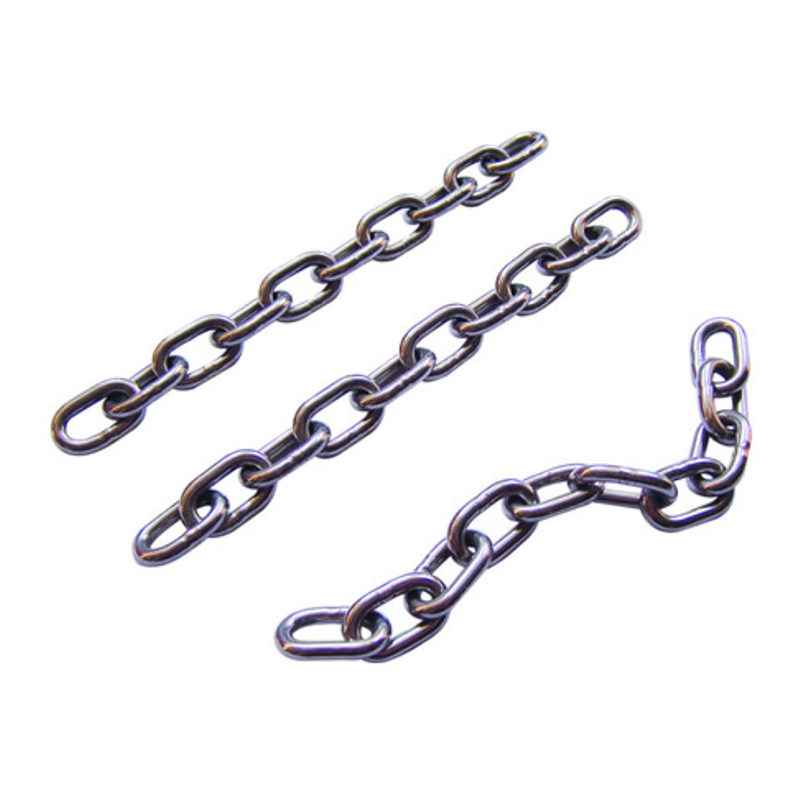
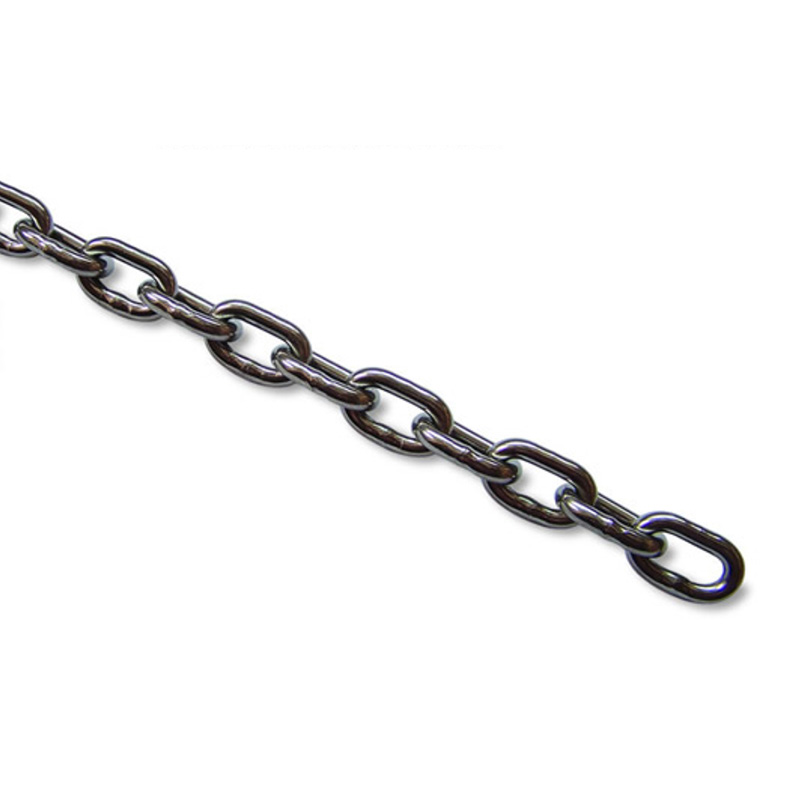
日本語Standard steel chains fail quietly in the wrong environment — a little surface rust here, a stiff link there, until a conveyor jams during a shift nobody wants interrupted. A heavy duty stainless steel chain is built specifically to avoid that failure mode, holding tensile strength and smooth movement through moisture, chemical exposure, and repeated washdowns that would corrode ordinary chain within months. This guide walks through what separates a reliable stainless chain from a generic one, and what to check before specifying it into a production line.
A heavy duty stainless steel chain transmits power or carries load through interlocking plates, pins, and rollers manufactured entirely from corrosion-resistant stainless steel.
What Sets a Heavy Duty Stainless Chain Apart
The chain is built from the same core components as any roller chain — inner plates, outer plates, pins, bushings, and rollers — but every part is machined from stainless steel rather than carbon steel. That single material change is what allows the chain to hold tensile performance in wet, chemical, or high-hygiene environments where standard chain would degrade.
Structural Components Worth Knowing
- Inner and outer plates carrying the primary tensile load
- Pins and bushings maintaining precise articulation
- Rollers reducing friction against sprocket teeth
- Connecting links allowing chain assembly and maintenance
How Load Moves Through the Chain
Rotational force from a drive system engages the chain through its rollers and links as it wraps around a sprocket. That force transmits link by link to whatever the chain drives, whether that is a conveyor belt or a piece of connected machinery. Stainless steel construction keeps this transmission stable even as the chain is repeatedly washed, exposed to chemicals, or run in humid conditions.
Where These Chains Earn Their Keep
- Food processing: conveyor and washdown systems needing corrosion resistance
- Packaging: high-speed automated lines requiring stable transmission
- Chemical processing: equipment exposed to corrosive material handling
- Marine and offshore: machinery running in humid, salt-exposed conditions
- Material handling: heavy-load conveyor systems in continuous operation
Stainless Steel Chain vs Traditional Steel Chain
| Factor | Stainless Steel Chain | Traditional Steel Chain |
| Corrosion resistance | Holds up under moisture and chemicals | Prone to rust in similar conditions |
| Hygiene suitability | Withstands frequent washdown cycles | Requires added protective coating |
| Long-term maintenance | Lower replacement frequency | Higher inspection and upkeep needs |
| Initial cost | Higher upfront investment | Lower purchase price |
Choosing the Right Chain for Your Application
Start with the operating environment, since exposure to moisture, chemicals, or washdown cycles is what justifies the added cost of stainless steel over standard chain. Match tensile strength and pitch size to the actual load and sprocket configuration on your equipment, then confirm the surface treatment supports the wear pattern your line will put it through.
Questions to Bring to a Supplier
- Can pitch size and attachment design be customized to existing equipment?
- What heat treatment process is used to set tensile properties?
- Is the chain rated for food-grade or washdown environments?
- What load and wear testing runs before the chain ships?
Frequently Asked Questions
Is a stainless steel chain always worth the higher cost?
It depends on the environment. In dry, low-corrosion settings a standard chain may suffice, but in wet, chemical, or hygiene-sensitive applications the reduced maintenance and longer service life usually justify the cost.
Can these chains be washed down regularly without damage?
Yes, stainless steel construction is specifically suited to frequent washdown cycles found in food and pharmaceutical production environments.
Does stainless steel reduce the chain's load capacity?
Not inherently. Heavy duty stainless chains are engineered to match the tensile strength of comparable carbon steel chains while adding corrosion resistance.
How is chain quality verified before delivery?
Reliable manufacturers run tensile strength, load capacity, wear resistance, and corrosion resistance testing on production batches before shipment.
Specifying a properly rated heavy duty stainless steel chain keeps a line running through the exact conditions that would degrade standard chain, cutting both downtime and long-term replacement cost.