English
 Español
 Deutsch
 日本語
日本語Introduction
Tire chains for trucks are essential accessories for vehicles operating in challenging road conditions. While primarily used for traction, these chains offer a range of benefits that enhance the performance and safety of trucks, especially in winter months or on slippery terrain.
Purpose of Tire Chains for Trucks
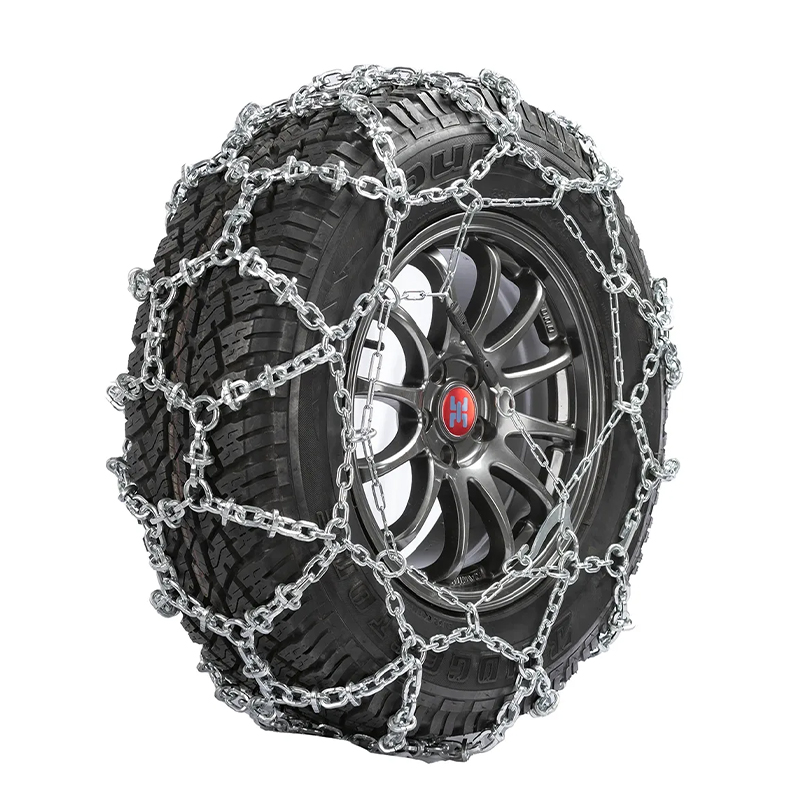
Tire chains for trucks are designed to increase the traction of a truck’s tires when driving on snow, ice, or other slippery surfaces. They fit over the tires and provide additional grip, allowing the vehicle to maintain control and prevent accidents. In particular, they are crucial for vehicles that frequently traverse mountainous or rural areas where harsh weather conditions are common.
Some of the main reasons for using tire chains include:
- Improved Traction: Tire chains create additional friction between the tire and the surface, which is essential when driving on ice or snow.
- Safety: By preventing wheels from slipping, they reduce the likelihood of accidents, making them vital for both commercial and personal use in challenging conditions.
- Vehicle Protection: Tire chains help trucks maintain control, preventing wear and tear that can occur from sliding or losing traction.
Types of Tire Chains for Trucks
There are various types of tire chains for trucks, each designed for different applications. The most common types include:
- Diamond Pattern Chains: These chains are ideal for providing a balance between traction and ride comfort. The diamond pattern offers uniform coverage across the tire and is effective in both snow and ice.
- Ladder Pattern Chains: These chains provide a more rugged solution for vehicles that need superior grip in extreme conditions. They offer excellent performance on ice and packed snow but may result in a rougher ride on paved roads.
- Radial Pattern Chains: Radial chains are designed for specific trucks with radial tires, offering enhanced grip while minimizing the wear on tires. They are often used in commercial applications where road conditions are particularly difficult.
The choice of tire chains largely depends on the type of terrain and the vehicle’s usage.
| Type of Chain | Best For | Advantages | Disadvantages |
|---|---|---|---|
| Diamond Pattern | Snow and Ice | Balanced traction and comfort | Can wear down faster on dry roads |
| Ladder Pattern | Extreme Snow/Ice | Superior grip on slick surfaces | Rougher ride on paved roads |
| Radial Pattern | Commercial Trucks | Excellent grip with minimal tire wear | Specific to radial tires |
How Tire Chains for Trucks Work
Tire chains work by gripping the road surface, preventing the truck’s tires from spinning. When the truck drives through snow or ice, the chains dig into the surface, providing friction that allows the vehicle to move forward without slipping.
The effectiveness of tire chains depends on several factors:
- Chain Tension: Properly tensioned chains ensure they grip the road effectively and reduce the risk of damage to the tire.
- Chain Size: The chains must be the correct size for the truck’s tires. Too large or small a chain can cause performance issues or even damage.
- Surface Conditions: Tire chains are most effective on snow, ice, and other slippery surfaces. They may not perform as well on dry or wet roads without snow or ice.
Benefits of Using Tire Chains for Trucks
The use of tire chains offers several key benefits for truck operators and fleet managers, particularly in regions prone to inclement weather.
- Increased Safety: Tire chains help maintain control and prevent accidents, particularly during winter months when road conditions can be treacherous.
- Reduced Slipping: By preventing the tires from losing traction, tire chains reduce the chances of trucks getting stuck or slipping on icy roads.
- Cost-Effectiveness: Compared to alternatives like snow tires, tire chains offer a more affordable option for improving a truck’s winter performance.
- Extended Vehicle Life: When used properly, tire chains can help protect trucks from the damage caused by icy conditions, including tire wear and tear.
How to Install Tire Chains on Trucks
Installing tire chains on trucks is a straightforward process, but it requires precision and care to ensure proper operation.
- Step 1: Ensure the truck is parked in a safe location, preferably away from traffic or steep inclines.
- Step 2: Lay the tire chains flat on the ground and ensure there are no tangles.
- Step 3: Position the chain around the tire, ensuring it is evenly placed across the tread.
- Step 4: Connect the chains, ensuring they are properly tightened and snug.
- Step 5: Drive forward a short distance, then re-check the chains and adjust them if necessary to ensure a secure fit.
When to Use Tire Chains for Trucks
The need for tire chains depends on weather conditions and road surfaces. They should be used when:
- Snow and Ice: If snow or ice accumulation on the road makes it difficult for the truck to maintain traction.
- Mountainous Terrain: When driving in mountainous areas, where snow or ice is more likely, tire chains are critical for ensuring safe passage.
- Emergency Situations: In case of sudden weather changes, tire chains provide a quick and efficient solution to regain control of the vehicle.
Maintenance and Care for Tire Chains
Proper maintenance of tire chains extends their lifespan and ensures they continue to function effectively. Key maintenance tips include:
- Cleaning the Chains: After use, clean the chains to remove any ice, snow, or road debris that could cause rust or wear.
- Storage: Store the chains in a dry place to avoid rust formation. It’s also essential to keep them in a bag or container to prevent tangling.
- Inspection: Regularly inspect the chains for wear and tear, including checking for broken links or worn-out parts.
FAQ
1. How do I know if my truck needs tire chains?
If you’re driving in snowy, icy, or mountainous conditions, tire chains will provide the necessary traction to prevent slipping and ensure safe travel.
2. Can tire chains damage my truck’s tires?
If installed correctly and used on the appropriate surfaces, tire chains should not damage your truck’s tires. It’s essential to follow proper installation and maintenance procedures.
3. Are tire chains legal in all areas?
Tire chain regulations vary by region. In some places, they are required in certain weather conditions, while in others, they are prohibited when roads are dry. Always check local laws before using tire chains.
4. Can I use tire chains on all types of tires?
Tire chains are compatible with most types of tires, but it’s important to ensure the correct size for your vehicle’s tires to prevent any performance issues or damage.
5. How do I choose the right tire chain for my truck?
The right tire chain depends on the type of terrain and weather conditions you typically drive in. Diamond-pattern chains are versatile, while ladder-pattern chains are ideal for extreme conditions. Make sure to choose the correct size for your truck’s tires.