English
 Español
 Deutsch
 日本語
日本語What Does the G70 Marking Mean on a Chain?
The G70 marking on a chain means the chain is rated as Grade 70. In the chain industry, the prefix G stands for grade, and 70 identifies the strength classification. A chain with this marking is made from heat-treated carbon steel and is designed mainly for cargo tie-down, towing, and transport securing work. You will often see G70 chain described as transport chain, trucker chain, or Grade 70 binder chain.
The marking matters because it gives a reference point for safe use. A chain without a legible grade mark cannot be used with confidence. On a G70 chain, the marking is usually raised or stamped on the links, and it may appear as G70, 70, or just 7. The exact format varies by manufacturer, but the grade meaning remains the same.
Grade 70 is not a brand name. It is a performance level defined by material, heat treatment, proof testing, working load limit, and minimum breaking strength.
How Grade 70 Chain Is Manufactured
G70 chain starts as carbon steel rod, not alloy steel. The rod is formed into links, welded, and then heat-treated. The heat treatment process increases hardness and tensile strength while keeping the chain economical for high-volume transport applications. Because it does not rely on expensive alloying elements, G70 chain fills a middle position in the chain grade range between lower-cost high-test chain and higher-cost alloy lifting chain.
The manufacturing process also includes calibration of link dimensions and proof testing. Proof testing applies a test load to the chain to catch weak links or welding defects. After testing, the chain can be finished with a natural oxide layer, black paint, or zinc coating. A galvanized G70 chain is common for outdoor or wet cargo environments.
From a practical standpoint, G70 chain is produced for resistance to wear, abrasion, and repeated tension. It is not designed to be the lightest lifting chain on the market. Instead, it gives transport crews a strong and affordable chain for keeping loads in place.
How G70 Chain Strength Is Rated
To use G70 chain correctly, you need to understand two terms: working load limit and minimum breaking strength. The working load limit is the maximum load a chain should carry in normal service. The minimum breaking strength is the load at which the chain is expected to fail. These two numbers are not the same.
For G70 transport chain, the common design factor is four to one. That means the minimum breaking strength is roughly four times the working load limit. This factor gives the chain a safety margin, but it does not mean you can load the chain to its breaking point. The working load limit is the maximum load for ordinary use.
Proof testing is also part of the rating system. A proof-tested chain has been subjected to a load higher than its rated working load to verify the material and welds. This test helps identify weak links before the chain reaches a job site.
G70 vs Other Common Chain Grades
To understand where G70 fits, place it on the strength scale. Grade 43 high-test chain is stronger than ordinary proof coil chain but has not been heat-treated to Grade 70 level. Grade 70 is stronger again, while Grade 80 and Grade 100 are alloy chains with higher strength, better fatigue resistance, and more demanding inspection requirements. The table below gives representative data for 3/8-inch chain.
| Grade | Material | Typical Use | 3/8-Inch Working Load Limit | Minimum Breaking Strength |
|---|---|---|---|---|
| G30 | Low-carbon steel | General and light use | 2,650 lb | 10,600 lb |
| G43 | High-test carbon steel | Binder and transport chain | 3,900 lb | 15,600 lb |
| G70 | Heat-treated carbon steel | Tie-down, towing, transport | 4,700 lb | 18,800 lb |
| G80 | Alloy steel | Overhead lifting and rigging | 6,600 lb | 26,400 lb |
| G100 | Alloy steel | Heavy lifting and rigging | 8,100 lb | 32,400 lb |
Values in the table are based on common U.S. grade sizes and should always be confirmed with the supplier's specification sheet. The practical difference is visible in load capacity. A 3/8-inch G70 chain can carry a working load of 4,700 lb, which is enough for many flatbed loads, but it is not enough for overhead lifting.
Common Applications for G70 Chain
G70 chain is used where the load is secured rather than lifted. Its strength, durability, and cost make it a default choice in several industries.
- Flatbed freight securement: G70 chain with binder hooks holds steel coils, bricks, lumber, machinery, and building panels to truck trailers.
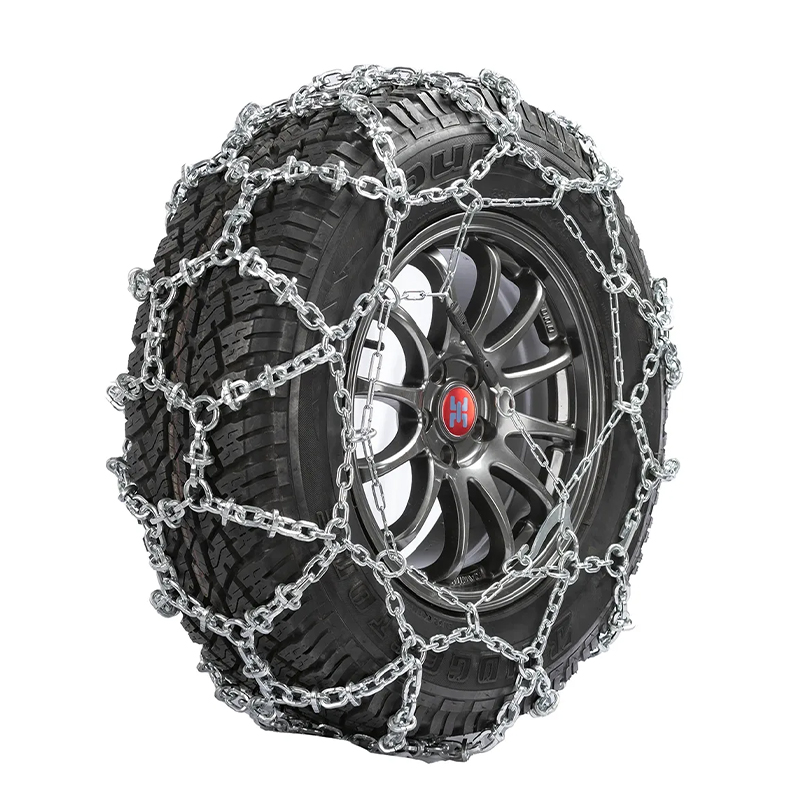
- Towing and recovery: Towing chains must handle sudden shock loads. G70 chain is often preferred for vehicle recovery and tow hook rigging when used with rated end fittings.
- Trailer safety chain: Many trailer and hitch applications use G70 chain as a backup connection between trailer and tow vehicle.
- Structural lashing: G70 chain can secure cargo on railcars, flat racks, and intermodal containers.
- Construction and logging: When chain is used to drag, pull, or restrain material on the ground, G70 offers more strength than Grade 43.
 Grade 70 Transport Chain for Securing Cargo LoadsThis chain is built to secure loads rather than lift them, offering strength, durability, and cost efficiency. Its limitations are important to respect, especially when used in tie-down applications.View Product →
Limitations and Safety Rules for G70 Chain
G70 chain has clear limits, and ignoring them creates serious hazards.
- Do not use G70 for overhead lifting. Grade 70 is not an alloy chain and is not marked for suspended loads.
- Do not exceed the working load limit. The 4,700 lb figure for 3/8-inch chain is the maximum safe working load, not a breaking point. Loading above the working load limit can permanently stretch links.
- Avoid repeated shock loading. G70 can handle some impact, but alloy grades handle shock and fatigue better over time.
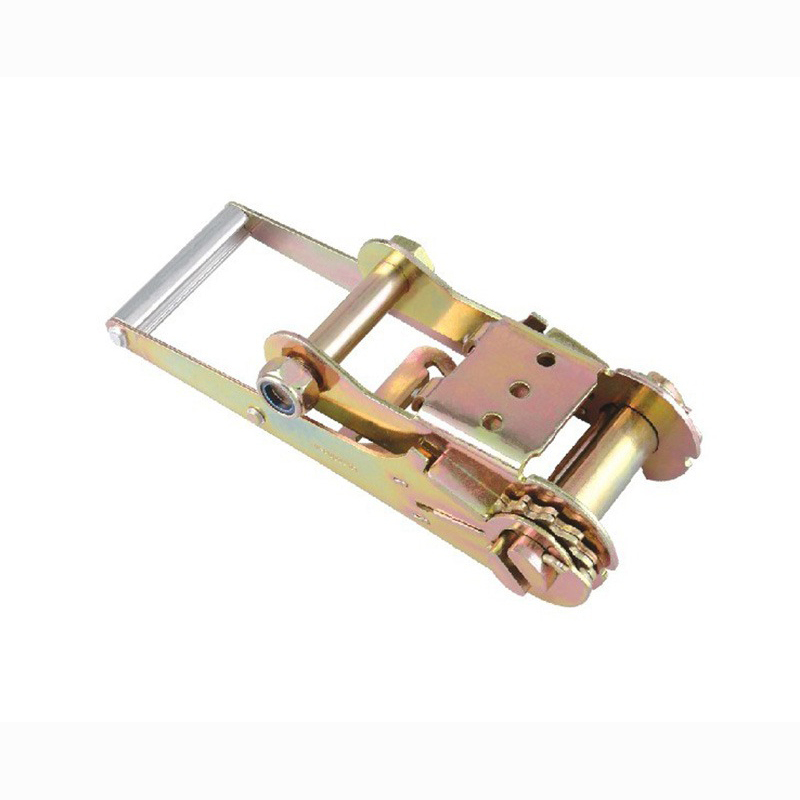
- Match hooks, binders, and connecting links to the grade. A G70 chain teamed with a lower-rated binder is still limited by the weakest part in the system.
- Inspect before every use. Look for bent links, cracked welds, elongated openings, heavy rust, and worn surfaces.
Care and Maintenance for G70 Chain
Proper care extends the service life of G70 chain and makes each inspection easier. After use, remove dirt, mud, road salt, and chemical residue that can hide cracks or cause corrosion. A light coating of oil can help protect the chain when it is stored for long periods, but the chain should be wiped clean before being handled.
Inspect the chain after any heavy pull or long trip. Pay special attention to the links near hooks and binders because those areas receive the most stress. If a link is visibly twisted, opened, or cracked, replace the entire chain section. Do not attempt field welding on heat-treated chain unless you have the proper equipment and a qualified procedure. Changes to the heat-treated structure can make the chain unsafe.
How to Identify and Verify G70 Chain
Grade marking is the first thing to check. A genuine G70 chain is usually marked on every link with a raised or stamped 7, 70, or G70. Some manufacturers mark every other link. If the marking is missing, treat the chain as an unknown grade. You should also check the attached tag or certificate for the chain's working load limit, proof test load, and manufacturer traceability.
Dimensional checks help as well. Measure link wire diameter and pitch with a caliper. A G70 chain that has been overloaded will show stretched links. The common 3/8-inch G70 chain should measure about 0.375 inches in wire diameter, though manufacturing tolerances apply. Compare measurements with the supplier's spec sheet when possible.
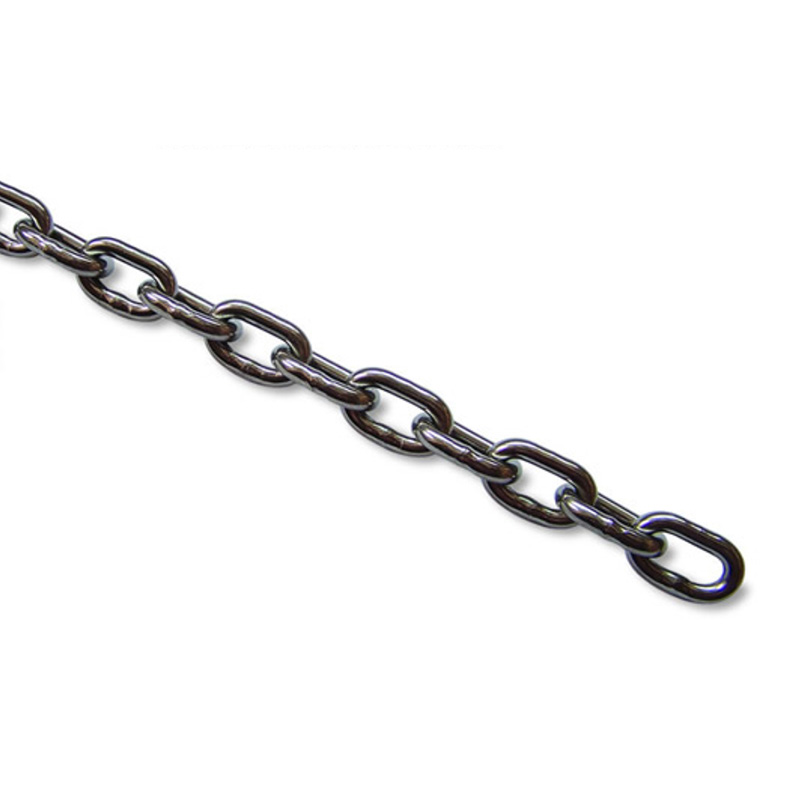
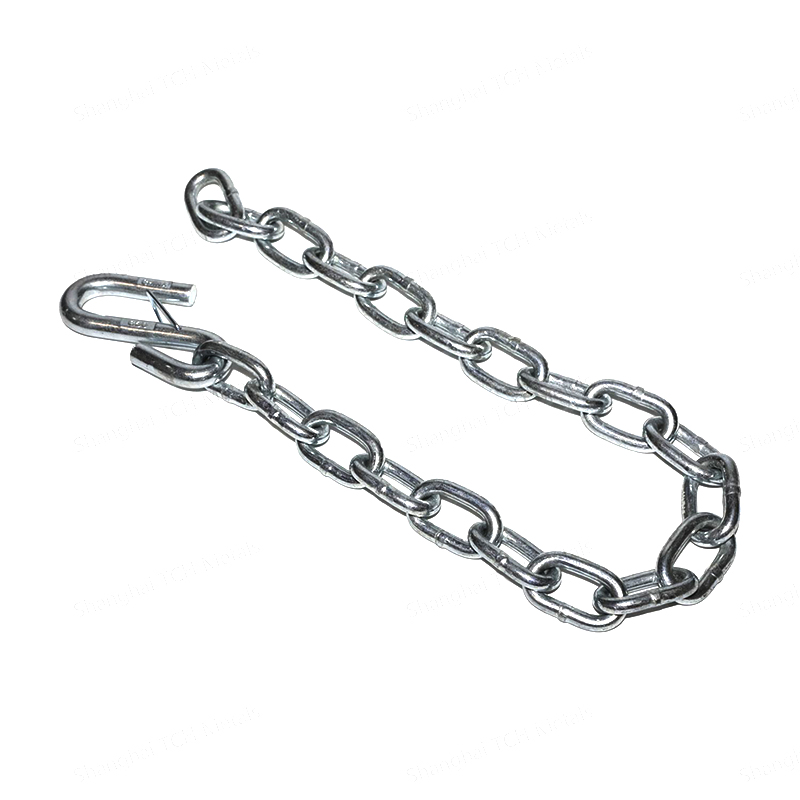 Heavy Duty Trailer Safety Chain for Tie-DownsSelecting this chain requires checking working load limits, link dimensions, and stretch. It fits cargo securement needs where accurate measurement and proper tie-down count are essential for safe hauling.View Product →
Choosing the Right G70 Chain for the Job
Selecting G70 chain starts with the working load you need. Identify the heaviest load and determine how many tie-downs are required to secure it. For a typical flatbed load, the number of chains and binders must add up to the required aggregate securement capacity. Consider the chain diameter, length, coating, and end fittings.
- Chain size: Larger diameter G70 chain has a higher working load limit, but it also weighs more and can be harder to handle.
- Length: Order the length needed for the types of cargo you carry, including the amount of chain used around hooks and binders.
- Coating: Galvanized G70 chain resists rust better than plain black chain, making it useful for exterior transport equipment.
- End fittings: Grab hooks, slip hooks, and latch hooks must match the chain diameter and grade.
- Standard compliance: Verify that the chain and components meet the applicable safety and performance standards for your market.
A G70 binder chain is a popular choice for transport fleets because it is designed to work with lever and ratchet binders at the same strength rating. For a deeper look at matching chain grades to hauling and lifting jobs, read our heavy-duty steel chain guide before making your final selection.
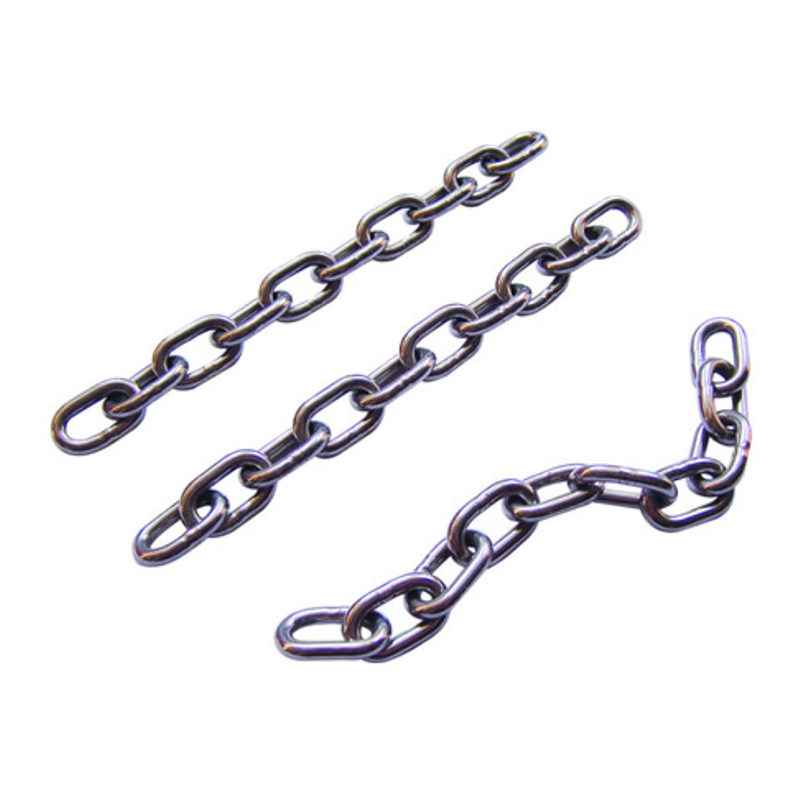
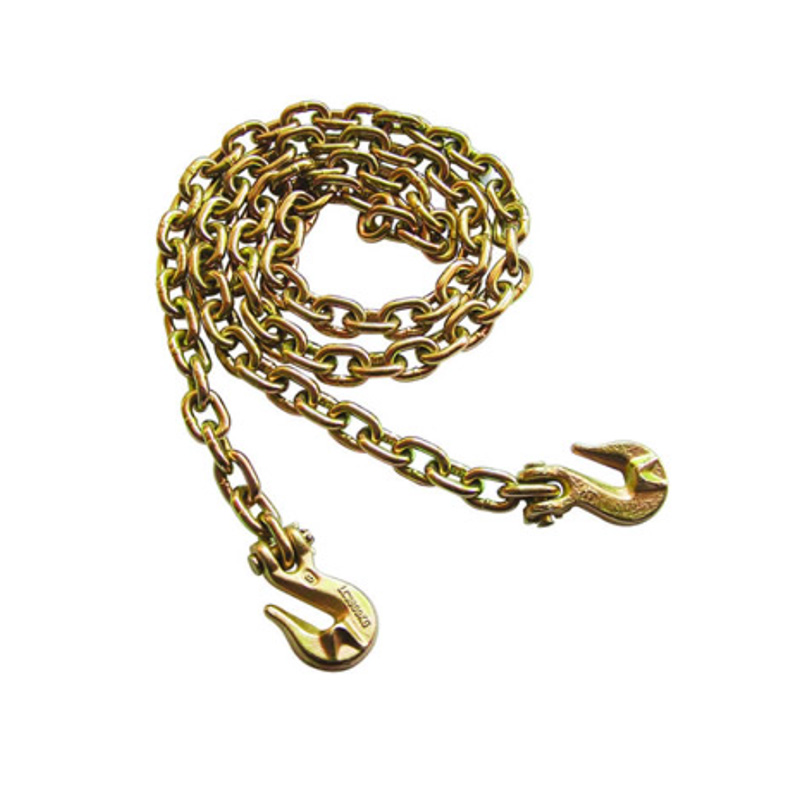 Grade 70 Binder Chain for Hauling and TowingThis Grade 70 heat-treated carbon steel chain works with lever and ratchet binders for tie-downs and towing. It matches the strength rating of binders, making it a dependable choice for transport fleets.View Product →
Frequently Asked Questions
Q1: What does G70 mean on a chain?
G70 means Grade 70 chain. It is a heat-treated carbon steel chain with a 70-level strength classification. It is mainly used for tie-downs, towing, and cargo securement, not for overhead lifting.
Q2: How much weight can a 3/8-inch G70 chain hold?
A 3/8-inch G70 chain has a working load limit of approximately 4,700 pounds and a minimum breaking strength of approximately 18,800 pounds. Do not interpret the breaking strength as a usable working load.
Q3: Is G70 chain the same as Grade 70 chain?
Yes. G70 is a shorthand way of writing Grade 70. The chain may be marked G70, 70, or 7 depending on the manufacturer and standard.
Q4: Can G70 chain be used for overhead lifting?
No. Grade 70 chain is not intended for overhead lifting or rigging. Overhead lifting requires alloy chain such as Grade 80 or Grade 100 with proper lifting accessories.
Q5: What is the difference between G70 and G80 chain?
G70 chain is heat-treated carbon steel with a 4,700-pound working load limit for 3/8-inch size. G80 chain is alloy steel with a higher working load limit, better impact resistance, and approval for more demanding lifting work. G80 is therefore more expensive.