English
 Español
 Deutsch
 日本語
日本語Understanding the Right Moment for Chain Installation
Timing matters more than most drivers realize when it comes to snow chains for tires. Installing chains too early wears them down on dry pavement, while installing them too late means driving through hazardous conditions without adequate grip. The ideal window opens once snow accumulation reaches roughly 5 centimeters or when road surfaces show a consistent layer of packed snow or ice.
Weather monitoring, road condition reports, and regional regulations all play a role in determining the correct installation window. This guide breaks down the practical signals drivers should watch for.
Key Signals That Indicate Chain Installation Time
Environmental Indicators
- Continuous snowfall exceeding 5 centimeters within a short period
- Visible ice formation on road shoulders or shaded sections
- Temperature readings consistently below freezing for several hours
- Reduced visibility combined with slippery road reports from local authorities
Regulatory and Route-Based Indicators
Many mountain passes and alpine routes post official signage requiring tire snow chains during specific months. Drivers planning routes through elevation changes should check regional transportation advisories before departure, since conditions at higher altitudes often differ drastically from valley conditions.
Seasonal Installation Timeline
| Phase | Condition | Recommended Action |
|---|---|---|
| Early Winter | First light snow, temperatures near freezing | Keep chains ready in vehicle, monitor forecasts |
| Mid Winter | Regular snowfall, packed roads | Install chains before departure on affected routes |
| Peak Winter | Heavy accumulation, ice patches | Chains mandatory on most mountain and rural roads |
| Late Winter | Melting and refreezing cycles | Install during early morning and evening hours |
Step by Step Installation Process
- Pull over to a flat, safe location away from traffic before conditions worsen
- Inspect chain links and tensioning devices for damage or wear
- Position the chain over the tire tread, aligning the inner section first
- Secure the outer section and connect the tensioning mechanism
- Drive slowly for a short distance, then stop to re-tighten as needed
Practicing this sequence before winter arrives reduces installation time significantly during actual snowfall, when cold fingers and poor lighting make the task harder.
Visualizing the Decision Process
Why Timing Affects Traction Performance
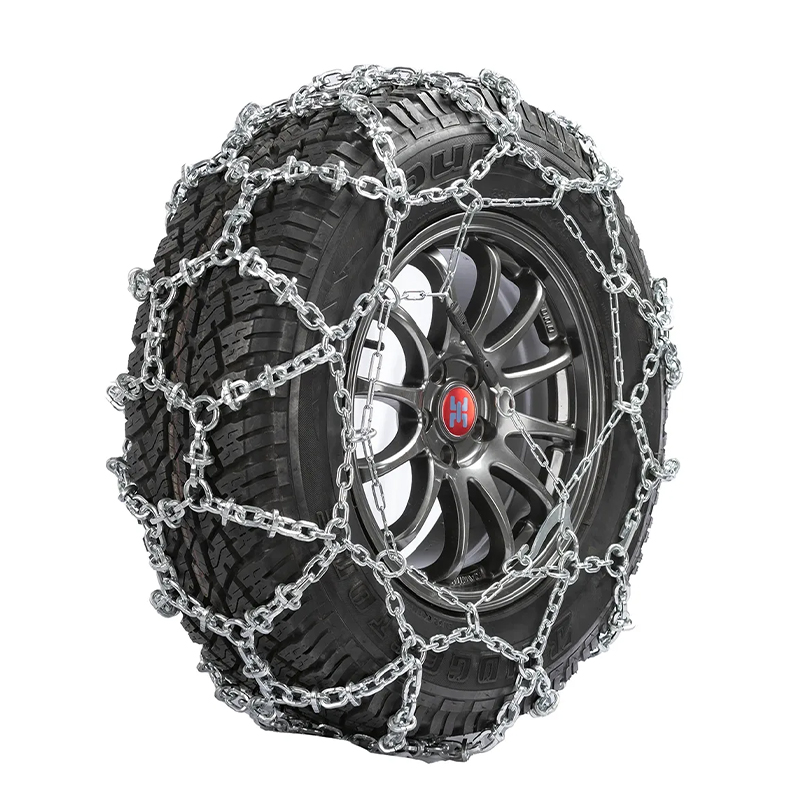
Installing car snow chains at the correct moment allows the chain links to seat properly against tread grooves, distributing grip evenly across contact points. Early installation on dry or lightly wet roads accelerates wear and can reduce chain lifespan by a noticeable margin over a single season.
Conversely, delayed installation during active snowfall increases wheel spin risk, especially on inclines. Vehicles equipped with vehicle snow chains installed at the appropriate threshold show measurably shorter stopping distances compared to those without any traction aid, based on standardized winter test track data.
Matching Chain Type to Vehicle and Conditions
Passenger car snow chains typically use lighter link patterns suited for standard tread widths, while van snow chains and larger vehicle options require reinforced links to handle additional load weight. Heavy duty snow chains are engineered for commercial or off-road applications where sustained traction under load is critical.
| Vehicle Type | Typical Load | Chain Characteristic |
|---|---|---|
| Sedan or Compact | Light | Standard link gauge |
| SUV or Van | Medium to Heavy | Reinforced link gauge |
| Commercial Truck | Heavy | Cross member reinforcement |
Selecting the Correct Chain Size
Proper sizing depends on tire width, aspect ratio, and wheel diameter, all found on the tire sidewall. Using an incorrectly sized chain leads to slippage during installation or contact with vehicle body components while driving.
- Locate the tire size code printed on the sidewall
- Cross reference the code with manufacturer sizing charts
- Verify clearance around the wheel well before purchase
- Consider tread depth, since worn tires may require adjusted tensioning
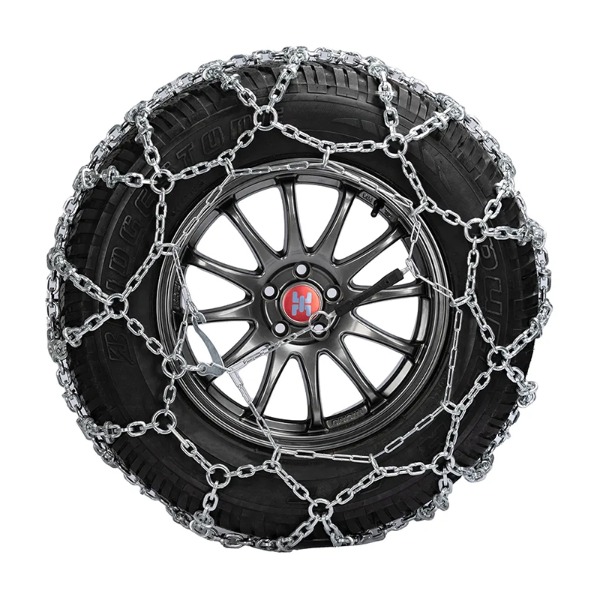
Snow Chains Versus Tire Socks
Fabric-based traction covers, often called tire socks, offer a lighter alternative for occasional light snow but generally underperform anti slip tire chains in deep snow or icy conditions. Chains provide mechanical grip through metal or reinforced polymer links that bite into compacted snow, while fabric covers rely on friction alone.
For regions with frequent heavy snowfall, winter tire chains remain the more reliable choice, particularly on steep grades or extended mountain routes.
Maintaining Chains for Repeated Seasonal Use
After each use, rinsing chains to remove road salt and debris extends their service life considerably. Storing them dry in a ventilated container prevents corrosion, and periodic inspection of tension springs ensures they remain functional for the next installation cycle.
Wear resistant snow chains constructed from hardened alloys tend to withstand repeated seasonal use better than standard variants, though all chains benefit from consistent post use care.
Frequently Asked Questions
Q1: What are snow chains for tires?
Snow chains are traction devices fitted over tires, using interlocking metal or reinforced links to increase grip on snow and ice covered roads, reducing wheel slippage during acceleration and braking.
Q2: How do snow chains improve vehicle traction?
Chains create additional contact points between the tire and road surface, biting into packed snow or ice layers to generate mechanical grip that standard tread patterns alone cannot achieve.
Q3: Are snow chains necessary for winter driving?
Necessity depends on regional climate, elevation, and local regulations. Mountainous or heavily snow affected areas often mandate chains during specific months, while milder regions may only need them occasionally.
Q4: What size snow chains do I need?
Chain size is determined by tire width, aspect ratio, and wheel diameter, all listed on the tire sidewall. Matching these figures against a sizing chart ensures proper fit and installation.
Q5: What is the difference between snow chains and tire socks?
Snow chains use rigid links for strong mechanical grip suited to heavy snow and ice, while tire socks use fabric friction and work best in light, occasional snow conditions.