English
 Español
 Deutsch
 日本語
What Are Chain Slings With Latching Hooks?
Chain slings with latching hooks are lifting assemblies built from welded alloy steel links, terminated with hooks fitted with a spring-loaded safety latch. The latch bridges the throat of the hook so that the load cannot slip off during slack conditions, sudden shifts or accidental contact with overhead structures. In a crane or hoist operation, that single feature often separates a controlled lift from an incident.
Rigging teams choose these assemblies for applications where load stability matters as much as load capacity. Whether the job involves steel beams, precast concrete, machinery modules or bundled pipe, a latching hook keeps the connection secure while the load is being positioned.
How a Latching Hook Protects the Load
The Mechanics of the Safety Latch
A standard open hook relies entirely on the sling's tension to keep the eye seated in the saddle. When the sling goes slack, the eye can drop out of the hook. A safety latch closes the throat with a spring-loaded tongue, so the eye stays captured even when tension is lost. The latch should return to its closed position on its own after each use, and it should never be wedged open or bypassed.
Common Failure Modes the Latch Addresses
- Load swing that pulls the sling sideways out of an open hook
- Slack caused by lowering a load onto an uneven surface
- Accidental contact with a hook-up point during positioning
- Partial disengagement when multiple legs carry unequal shares of the load
Main Components and Their Functions
Understanding each part of the assembly makes inspection and selection far more reliable. A typical chain sling with latch hooks combines the following elements.
- Master link, the central ring that gathers all legs and connects to the crane hook
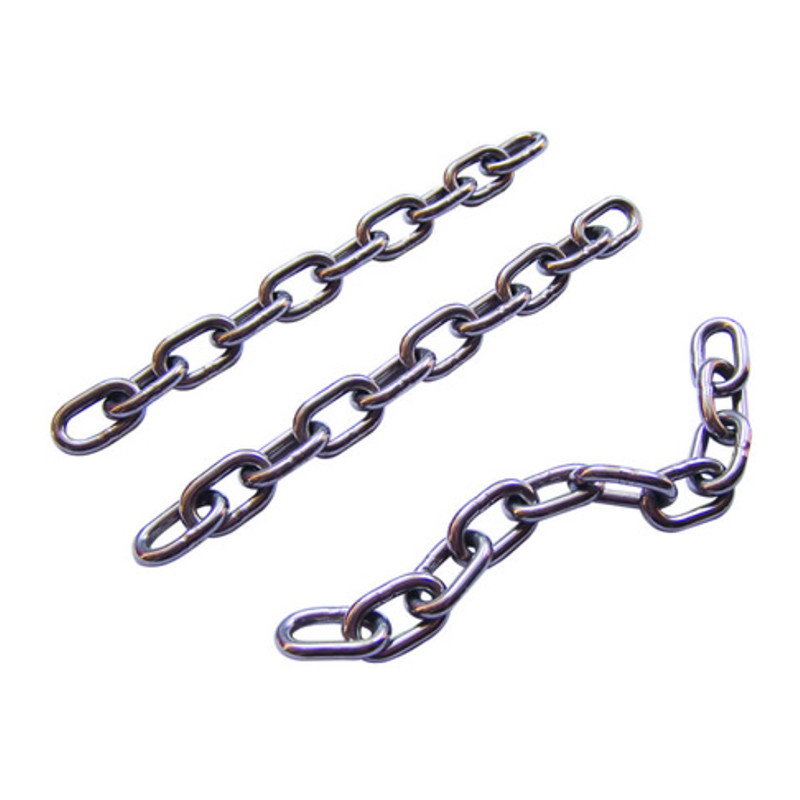
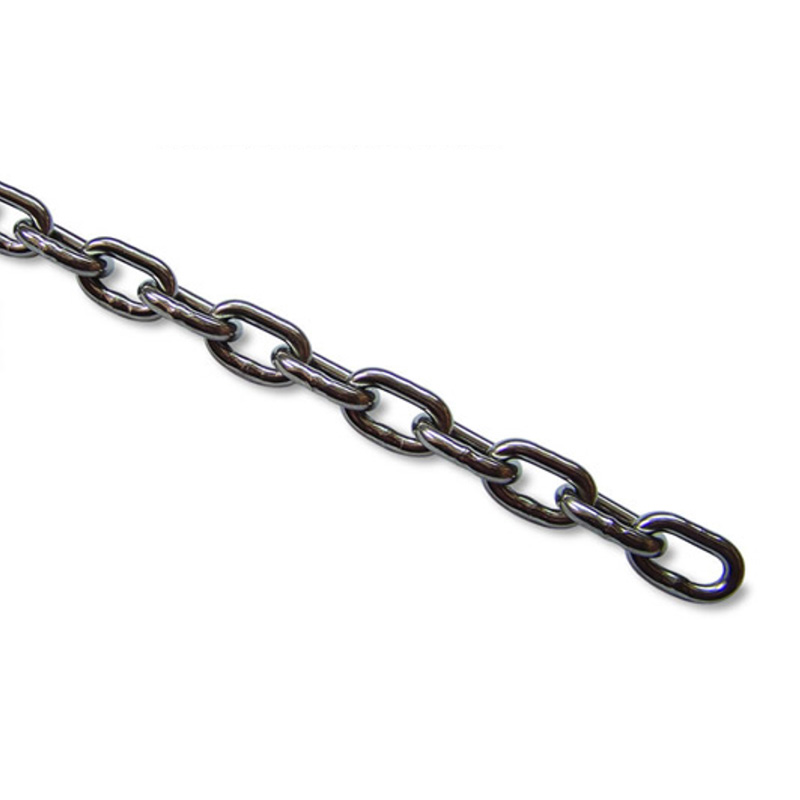
- Alloy steel chain, the load-bearing body, usually in Grade 80 for high strength-to-weight performance
- Chain links or sub-links, which distribute tension across the leg length
- Latching hooks, the terminal fittings that engage the load with a safety latch
- Identification tags, which record the working load limit, grade and manufacturing date
Configurations: Single, Two, Three and Four Leg Options
The number of legs determines how the load is shared and how much angle the assembly can tolerate. Choosing the right configuration is one of the most important decisions in lift planning.
| Configuration | Typical Use | Load Behavior | Planning Note |
|---|---|---|---|
| Single leg | Straight vertical lifts of uniform objects | Full load on one leg | Simple, but no load balancing |
| Two leg | Balanced loads such as pipe bundles or beams | Load shared between two legs | Working load depends on the angle |
| Three leg | Irregular shapes needing stable support | Three contact points improve stability | Requires careful leg-length matching |
| Four leg | Large or asymmetric loads such as machinery frames | Redundant support with lower stress per leg | Rated capacity is reduced at wide angles |
Key Benefits for Industrial Rigging Teams
Buyers evaluating chain slings with latching hooks usually focus on four practical outcomes: safer handling, faster hook-up, longer service life and predictable performance across repeated lifts.
Load Retention
The latch keeps the eye seated during slack or swing, reducing the risk of dropped loads.
Alloy Strength
Grade 80 chain offers a high working load limit while keeping the assembly relatively light.
Flexible Length
Legs can be cut to specific lengths, which helps maintain the intended lifting angle.
Repeatable Use
Properly maintained assemblies can serve many lift cycles in demanding environments.
Where These Assemblies Are Commonly Used
The following sectors rely on chain slings with latching hooks for daily lifting work.
- Construction sites handling structural steel, rebar cages and precast units
- Manufacturing plants moving dies, castings and heavy machinery components
- Warehouses and logistics hubs loading containers and palletized freight
- Mining operations rigging equipment for maintenance and relocation
- Shipyards and offshore fabrication yards managing module lifts
How to Select the Right Chain Slings With Latching Hooks
Selection starts with the actual load weight, then moves to geometry, environment and compliance. Working through these steps in order prevents the most common specification errors.
Step-by-Step Selection Checklist
- Determine the maximum load weight, including rigging hardware and any dynamic allowance
- Identify the lifting points and measure the required sling length
- Choose the number of legs based on load shape and stability needs
- Calculate the lifting angle, since capacity decreases as the included angle widens
- Confirm the chain grade and the working load limit printed on the tag
- Consider the environment, including temperature, abrasion and sharp edges
Safety Requirements and Pre-Use Inspection
Chain slings with latching hooks should be inspected before every shift and removed from service when defects are found. Consistent inspection is the single most effective habit for preventing failures.
| Inspection Point | What to Look For | Action |
|---|---|---|
| Latch function | Latch that sticks, bends or fails to close | Remove from service |
| Hook throat | Visible wear or deformation at the bearing surface | Remove from service |
| Chain links | Stretch, nicks, gouges or heat damage | Remove from service |
| Identification tag | Missing or illegible rating information | Verify before use |
Rigging practice should follow recognized standards such as ASME B30.9, which addresses slings and their use. Operators should never exceed the rated working load limit, and they should avoid shock loading, knotting or side-loading the hooks.
Sourcing Chain Slings With Latching Hooks From a Manufacturer
Buyers sourcing these assemblies in volume benefit from working directly with a manufacturer that controls material traceability, heat treatment and final testing. Clear specification sheets and documented load testing reduce the risk of receiving non-conforming stock.
Share Your Requirements
Provide load weight, leg count, length, fittings and quantity.
Review the Specification
Confirm grade, working load limit and angle factors before production.
Receive Test Documentation
Ask for certificates covering proof testing and material traceability.
For a tailored quotation, you can get a quote for chain slings with latching hooks based on your project specifications.
Frequently Asked Questions
Q1: What is the main advantage of a latching hook over an open hook?
A latching hook keeps the sling eye captured inside the throat even when tension drops, which reduces the chance of the load slipping off during swing, slack or positioning.
Q2: How do I know which leg count to choose?
Single-leg assemblies suit simple vertical lifts, while two, three or four legs provide better balance for irregular or wide loads. The right choice depends on load geometry, stability requirements and the lifting angle you can maintain.
Q3: Does the lifting angle affect capacity?
Yes. As the angle between legs increases, the tension in each leg rises, so the effective capacity falls. Always check the rating table that applies to your configuration.
Q4: How often should chain slings with latching hooks be inspected?
Inspect them before each use, and arrange a more thorough periodic inspection by a qualified person according to your site procedures and applicable standards.
Q5: Can these assemblies be customized?
Yes. Length, leg count, hook size and fitting type can all be specified to match your rigging plan, and a manufacturer can usually advise on the most practical arrangement.