English
 Español
 Deutsch
 日本語
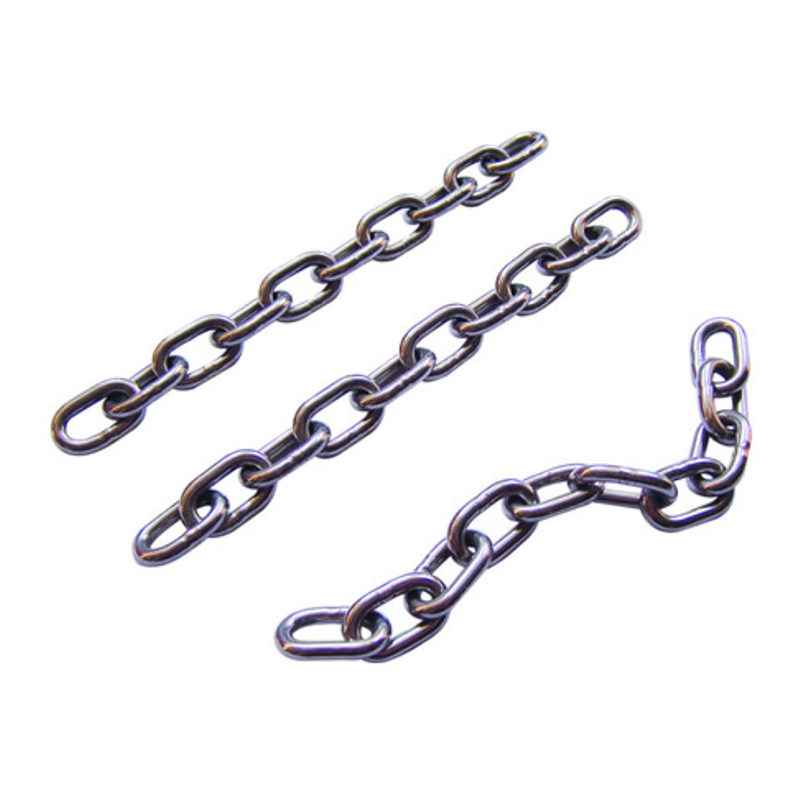
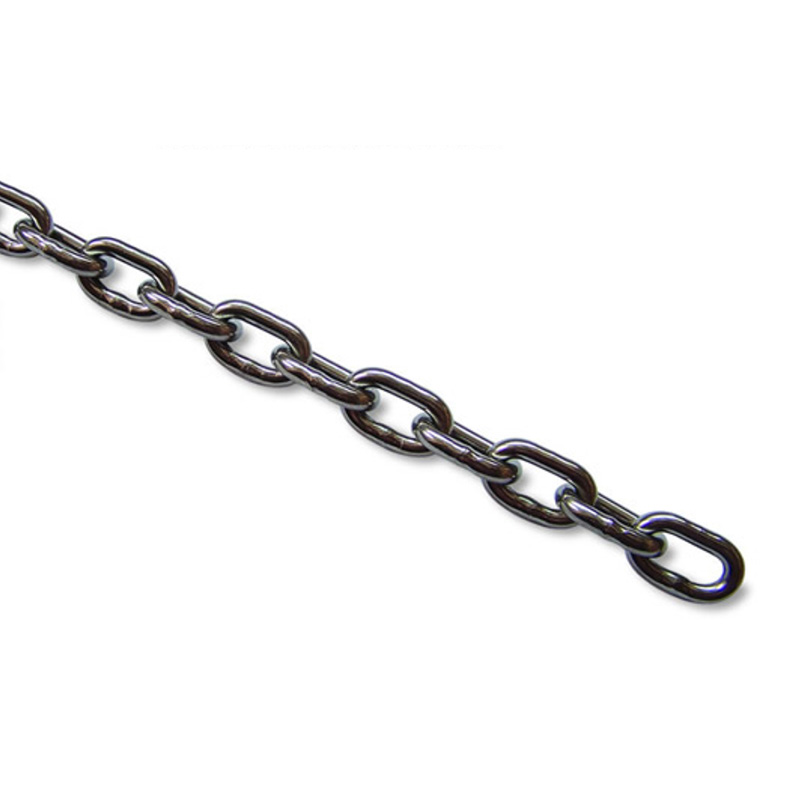
日本語In the logistics and transportation industry, securing cargo effectively can mean the difference between a successful delivery and a costly accident. Heavy-duty cargo transport demands equipment that combines reliability, durability, and consistent performance under extreme conditions. Among the various options available, the G70 binder chain has emerged as an industry standard for professionals who cannot afford failures.
The G70 grade represents a specific classification within the American standard chain hierarchy, engineered to meet stringent load capacity and safety requirements. Understanding why this particular grade dominates the market requires examining its technical specifications, performance characteristics, and real-world applications across diverse transportation scenarios.
Understanding G70 Binder Chain Specifications
The G70 designation refers to a specific grade classification that establishes minimum tensile strength and working load limits. This grading system provides a standardized framework that ensures consistency across manufacturers and applications.
Grade Classification System
American standard chain grades range from G30 through G100, with each grade representing a higher tensile strength rating. The G70 grade sits at a strategic point in this spectrum, offering substantial load-bearing capacity while maintaining practical affordability compared to higher grades. The tensile strength of G70 chain typically exceeds 70,000 pounds per square inch, making it suitable for loads that would exceed the capacity of lower-grade alternatives.
The working load limit, commonly called the safe working load or SWL, represents the maximum force that should be applied to the chain under normal operating conditions. For G70 chain, the working load limit varies based on link diameter but generally ranges from 4,700 to 9,500 pounds depending on the specific size specification.
Dimensional Standards and Variants
ANSI roller chain standards establish precise dimensional requirements for different sizes. Common G70 chain sizes include quarter-inch, five-sixteenths inch, three-eighths inch, and half-inch diameter links. Each size increment provides proportionally increased load capacity while maintaining consistent quality standards across manufacturers.
| Chain Size (Inches) | Minimum Tensile Strength (Pounds) | Safe Working Load (Pounds) | Common Applications |
|---|---|---|---|
| 1/4 | 4,700 | 1,500 | Light to medium cargo |
| 5/16 | 6,300 | 2,000 | Medium cargo loads |
| 3/8 | 8,400 | 2,700 | Heavy cargo transport |
| 1/2 | 13,400 | 4,700 | Extra heavy loads |
The distinction between these sizes allows professionals to select chains that precisely match their specific load requirements, avoiding both the unnecessary expense of oversized chains and the safety risks associated with undersized options.
Performance Characteristics That Set G70 Apart
Load Capacity and Safety Margins
G70 chain delivers consistent performance across a wide range of operational temperatures and environmental conditions. The material composition and manufacturing process create chains capable of withstanding dynamic loads, vibration, and the stress cycles inherent in transportation work. The safety margin built into the safe working load calculation typically provides a five-to-one ratio, meaning the chain can support five times its rated safe working load before reaching its tensile strength limit.
This substantial safety margin accounts for various real-world factors that can affect chain performance. Fatigue from repeated loading cycles, environmental corrosion, improper installation, and maintenance deficiencies all receive consideration in the conservative working load calculations. Professionals who respect these limits significantly reduce the risk of chain failure during transport operations.
Durability Under Stress Conditions
The manufacturing process for G70 chain involves controlled heat treatment that develops the optimal balance between hardness and flexibility. Unlike brittle materials that might snap suddenly under excessive load, properly manufactured G70 chain exhibits gradual deformation, providing visible warning of overload situations. This characteristic gives operators opportunities to recognize problems and address them before catastrophic failure occurs.
The welded construction used in binder chains creates a unified structure where the weld fusion point matches or exceeds the parent material strength. Quality manufacturers employ rigorous inspection protocols to ensure that welding defects do not compromise chain integrity. This attention to manufacturing quality translates directly into reliable performance during demanding cargo transport operations.
Resistance to Environmental Factors
Transportation environments expose chains to moisture, salt air, temperature fluctuations, and chemical exposure. G70 chain maintains its load-bearing characteristics across temperature ranges from minus twenty to plus one hundred thirty degrees Fahrenheit. The steel composition resists corrosion better than lower-grade alternatives, though periodic maintenance and proper storage remain essential for extending service life in harsh environments.
Industrial Applications and Real-World Scenarios
Highway Cargo Securement
Professional truck drivers transporting heavy equipment, machinery, and construction materials depend on G70 chain to meet federal securement regulations. Transport regulations establish minimum requirements for load securement devices, and G70 chain satisfies these requirements for most standard cargo scenarios. The chain's flexibility allows operators to adapt securement strategies to different load configurations without maintaining excessive inventory of different chain grades.
Equipment Transportation
Specialized haulers moving bulldozers, excavators, and other heavy equipment to job sites rely on G70 chain for its proven performance record. The repeated stress of hauling multi-ton machinery over extended distances demands equipment with consistent strength characteristics. G70 chain's reputation for reliability in these demanding applications reflects decades of field experience across the construction and industrial sectors.
Agricultural and Farming Operations
Farm equipment transport, grain handling, and agricultural machinery securement represent significant application areas for G70 chain. The durability required for seasonal operations where equipment experiences extended use in variable weather conditions makes G70 an economical choice that delivers performance without excessive premium costs.
Marine and Port Operations
Securing cargo on vessels and managing equipment at port facilities expose chains to particularly harsh conditions. Salt water corrosion, extreme vibration, and the repetitive stress of cargo handling operations demand materials with proven durability. G70 chain's established track record in marine environments demonstrates its suitability for these challenging applications.
Competitive Advantages Compared to Alternatives
Cost-Performance Balance
G70 chain occupies a strategic position in the pricing hierarchy. Higher grades like G80 or G100 offer increased capacity but come at substantially elevated costs. For applications where G70 capacity proves sufficient, the cost savings compared to higher grades are significant. This economic efficiency without compromising safety margins makes G70 the rational choice for many operators and fleet managers.
Conversely, lower grades like G43 or G30 might seem economical for light-duty applications, but they prove inadequate for typical cargo transport requirements. The additional expense of higher-grade chains becomes negligible compared to the costs associated with product liability, cargo loss, regulatory fines, and potential injury from chain failure.
Availability and Supply Chain Considerations
G70 chain's widespread adoption means manufacturers maintain consistent inventory levels and offer readily available replacement stock. When equipment fails in remote locations, finding G70 replacement chains presents far fewer challenges than locating specialized or exotic alternatives. This practical availability consideration becomes particularly important for operators who cannot afford extended downtime waiting for replacement parts.
Standardization and Regulatory Compliance
The ANSI standard specifications for G70 chain provide clear documentation of performance characteristics that satisfy federal transportation regulations. Safety inspectors and regulatory agencies recognize G70 chain as meeting established safety requirements, eliminating questions about compliance during inspections. This regulatory certainty reduces administrative burden and potential legal exposure for operators and fleet managers.
Selecting the Right G70 Chain for Your Requirements
Load Calculation Methods
Professionals should determine the actual weight of cargo being transported and the number of anchor points available for securement. The total load should be divided by the number of securement points to calculate the load applied to each chain. This calculated load must remain well below the safe working load of the selected chain size, typically maintaining a safety factor of at least three-to-one for variable conditions.
Dynamic load considerations account for forces generated during acceleration, deceleration, and turning. A conservative approach calculates dynamic loads as fifty to one hundred percent greater than static weight, depending on expected driving conditions and cargo characteristics. Professional securement specialists apply these calculations to select chains that maintain safety even under challenging driving conditions.
Material and Finish Considerations
Standard G70 chain features plain steel construction that requires periodic lubrication and maintenance. Galvanized alternatives resist corrosion more effectively in marine and coastal environments, justifying their higher cost for specific applications. Specialized coatings provide additional environmental protection where exposure to harsh chemicals or extreme moisture represents a significant concern.
Attachment and Connection Methods
The ultimate effectiveness of G70 chain depends not only on its intrinsic strength but also on proper connection to load anchors. Binder chains with grab hooks provide quick connection and disconnection, essential for rapid loading and unloading operations. D-shackles offer superior security for permanent or semi-permanent installations. Professional operators select connection methods based on their specific operational requirements and cargo handling procedures.
Maintenance and Inspection Protocols
Routine Inspection Procedures
Before each use, visual inspection should identify obvious signs of damage including bent links, broken welds, corrosion, or surface cracks. Chains showing visible defects should be removed from service immediately, even if they technically might still carry rated loads. The cost of replacement chains represents a negligible expense compared to potential liability and safety risks from failed securement.
Monthly or quarterly detailed inspections, depending on frequency of use, should measure any elongation of the chain. Chains that have stretched more than five percent of their original length should be replaced to maintain reliability. Regular inspection creates documentation useful for insurance purposes and demonstrates professional attention to safety requirements.
Lubrication and Storage
Proper lubrication prevents corrosion and reduces wear on chain links and joints. Light machine oil or chain-specific lubricants applied regularly extend the operational life of G70 chains. Storage in dry locations away from saltwater spray, industrial chemicals, and excessive moisture maximizes the time chains can serve before requiring replacement.
Seasonal Preparation
Operators in regions experiencing significant seasonal weather variations should prepare chains for changing conditions. Winter storage should include thorough drying and protective lubrication to prevent freeze-thaw cycles from causing damage. Spring preparation involves inspection for winter damage and replenishment of protective coatings before the busy season begins.
Safety Best Practices and Regulatory Requirements
Federal Transportation Standards
The Federal Motor Carrier Safety Administration establishes specific requirements for cargo securement devices. G70 chain satisfies these requirements when properly selected for the cargo weight and configuration. Operators must document compliance through inspection records and photographic evidence of securement methods during regulatory inspections.
Proper Installation Techniques
Chains must be routed to prevent direct contact with cargo surfaces where possible, as friction can cause heat buildup and material damage. Anchor points should be distributed to share loads as evenly as possible, avoiding concentration of stress on a single securement point. Slack in chains should be minimized while avoiding excessive tension that might damage cargo or cargo handling equipment.
Load-Specific Considerations
Different cargo types require adapted securement strategies. Machinery with finished surfaces needs protective pads or spacers to prevent chain contact damage. Fragile items require securement methods that prevent shifting without compressing the cargo. Professional operators develop experience with cargo-specific techniques that maintain both safety and cargo integrity.
Weather and Environmental Factors
High-wind conditions increase dynamic loading on securement devices. Professional operators adjust securement strategies in wind-prone regions, using additional chains or heavier grades when hauling through mountainous terrain or coastal areas with predictable wind hazards. Pre-trip planning that accounts for forecasted weather conditions demonstrates professional responsibility for cargo and road safety.
Comparative Analysis: Why G70 Outperforms Alternatives
The following comparison illustrates how G70 chain balances capacity, cost, and practical suitability across different application scenarios:
| Chain Grade | Typical Use Case | Cost Level | Overload Risk | Market Adoption |
|---|---|---|---|---|
| G43 | Light utility and fastening | Low | High for cargo transport | Moderate |
| G70 | Heavy-duty cargo transport | Moderate | Low for standard loads | Very High |
| G80 | Specialized heavy hauling | High | Very Low | Moderate |
| G100 | Extreme service conditions | Very High | Minimal | Low |
This analysis demonstrates that G70 represents the optimal choice for the broad middle spectrum of professional cargo transport applications. The combination of adequate capacity, moderate cost, and high market availability creates the economically rational and technically sound choice for fleet operators managing diverse cargo types.

Frequently Asked Questions
Q1: What is the difference between G70 and G80 chain?
G80 chain has a higher tensile strength rating and greater safe working load capacity compared to G70. However, G80 typically costs twenty to forty percent more. For most cargo transport applications, G70 provides adequate capacity at a more economical price point. G80 becomes necessary primarily for specialized heavy hauling where G70 capacity proves insufficient.
Q2: How often should G70 chains be replaced?
With proper maintenance and inspection, quality G70 chains can serve for several years of regular use. Replacement timing depends on frequency of use, environmental exposure, and cargo characteristics. Chains showing measurable elongation beyond five percent, visible corrosion beyond surface oxidation, or damaged welds should be replaced immediately regardless of calendar age.
Q3: Can G70 chain be used for vertical lifting applications?
G70 binder chain is engineered primarily for horizontal securement and load restraint. Vertical lifting requires specialized lifting chain with different design characteristics and certification. Attempting to use binder chain for lifting applications violates equipment specifications and creates serious safety hazards. Always use proper lifting equipment for vertical applications.
Q4: What is the minimum safe working load for G70 chain?
The safe working load depends on chain size, typically ranging from 1,500 pounds for quarter-inch diameter to 4,700 pounds for half-inch diameter. Always consult manufacturer specifications for the exact size being used and never exceed the rated safe working load, which already incorporates a conservative safety factor.
Q5: Does G70 chain require certification or documentation?
Professional operators should maintain documentation of chain specifications, inspection records, and maintenance history. While certification requirements vary by regulatory jurisdiction and application type, comprehensive documentation protects operators during regulatory inspections and provides evidence of professional responsibility for safety.
Q6: How does temperature affect G70 chain performance?
G70 chain maintains its rated capacity across temperatures from minus twenty to plus one hundred thirty degrees Fahrenheit. At extreme temperatures beyond this range, load capacity may be reduced. Operators in extreme climate regions should verify that chain performance remains adequate for their specific environmental conditions.
Q7: What is the proper way to store unused G70 chains?
Store chains in dry indoor locations away from saltwater, industrial chemicals, and excessive moisture. Coil chains carefully to prevent kinking or permanent deformation. Apply protective lubrication before extended storage to prevent corrosion. Inspect stored chains periodically and reapply protective coatings as needed to maintain material integrity.
Q8: Can G70 chain be repaired or welded if damaged?
Field repairs to damaged chains carry significant risk and are generally not recommended for safety-critical applications. Professional re-welding by qualified facilities can restore chain integrity, but the repair cost often approaches or exceeds the price of replacement. For operational reliability and regulatory compliance, replacement of damaged chains provides the safest and most practical solution.