English
 Español
 Deutsch
 日本語
日本語Steel link chains are essential components in a wide range of industrial applications, from lifting and hoisting to securing heavy loads and mechanical operations. Their reliability directly affects operational safety, efficiency, and maintenance costs. Despite the simplicity of their design, steel link chains can experience failures that compromise performance and safety. Understanding the common causes of these failures and implementing rapid troubleshooting techniques is crucial for any facility that relies on these components.
Understanding Steel Link Chains
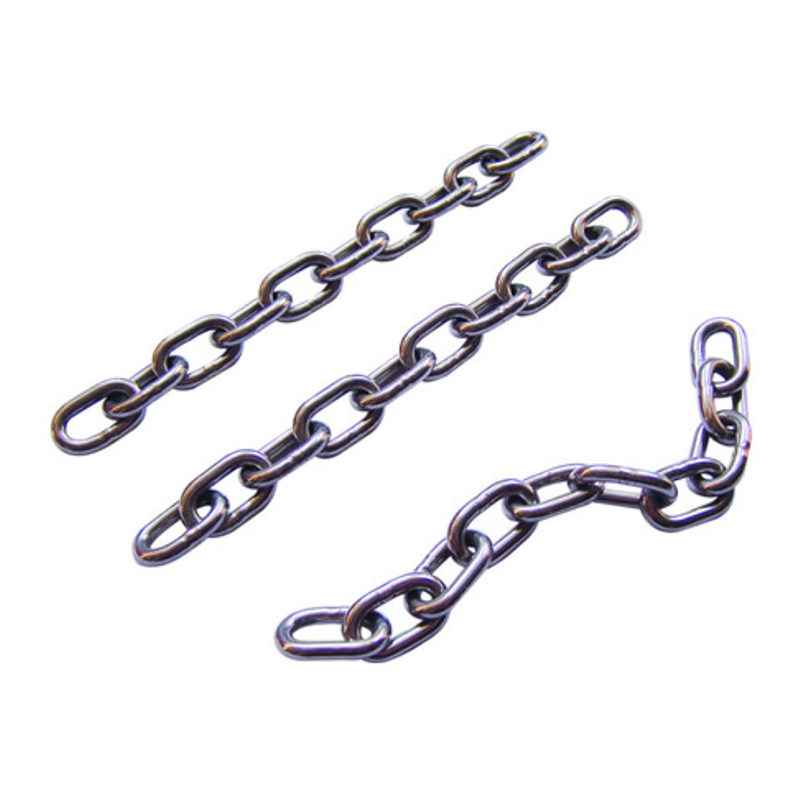
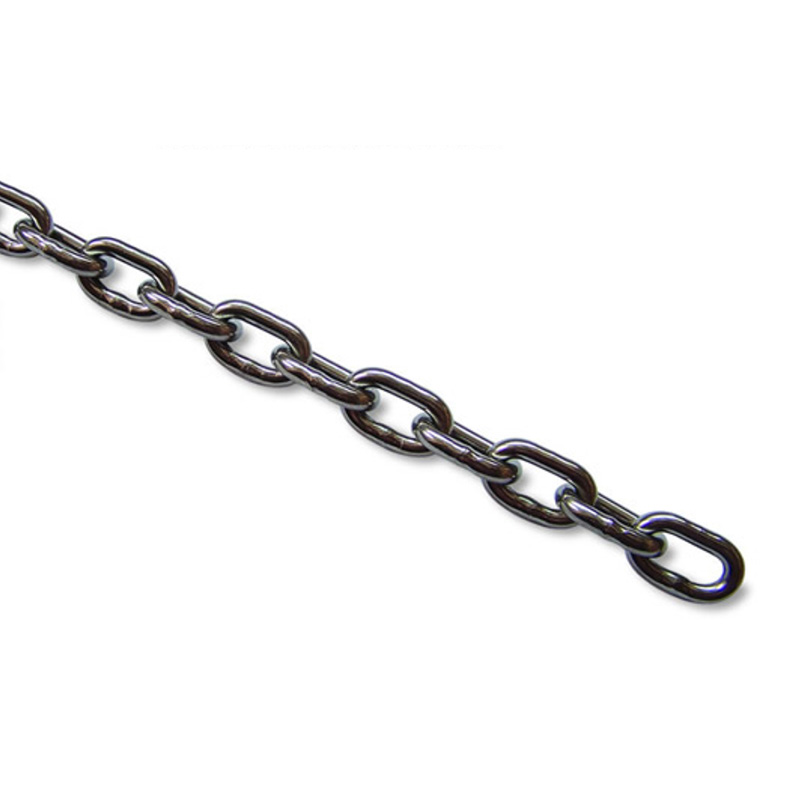
Steel link chains consist of interconnected metal links, typically manufactured from high-strength steel, designed to withstand tensile forces. Welded chains, a subset of steel link chains, offer enhanced structural integrity because each link is welded to maintain continuity, reducing the risk of link separation under heavy loads. Common industrial applications include lifting equipment, conveyors, marine mooring, and material handling systems. Despite their durability, environmental factors, operational misuse, and mechanical wear can lead to chain failures.
Key Characteristics of Steel Link Chains
| Property | Description |
|---|---|
| Tensile Strength | Maximum load the chain can withstand before breaking. |
| Corrosion Resistance | Ability to resist degradation in harsh environmental conditions. |
| Wear Resistance | Capacity to endure repetitive friction and mechanical stress. |
| Flexibility | Ease of bending and movement in dynamic applications. |
| Weld Quality | Integrity of welded joints that ensure consistent load distribution. |
The selection of a steel link chain should consider these characteristics in relation to the intended operational environment, load requirements, and safety standards.
Common Steel Link Chain Failures
Even the most robust welded chain can experience failure due to several factors. The most common types of failures include:
Tensile Overload
Tensile overload occurs when a steel link chain is subjected to loads exceeding its rated capacity. This type of failure usually results in chain elongation or complete breakage. Welded chains are particularly resistant to sudden load spikes due to the continuous weld, but repeated overload can weaken the weld points over time. Signs of tensile overload include noticeable stretching of the chain, deformation of links, and in severe cases, fracture.
Prevention Measures:
- Verify the load capacity before use.
- Avoid sudden dynamic loads or shock loading.
- Conduct periodic inspection for signs of elongation.
Corrosion-Induced Weakening
Chains exposed to moisture, chemicals, or saline environments are prone to corrosion. Rust and pitting reduce the cross-sectional area of links, significantly lowering tensile strength. Both regular steel link chains and welded chains are susceptible, though welded joints may provide slightly higher resilience.
Quick Troubleshooting:
- Inspect the chain for rust or pitting on individual links.
- Apply corrosion-resistant coatings or lubricants.
- Replace severely corroded sections to avoid catastrophic failure.
Wear and Abrasion
Mechanical wear occurs due to friction between links or with contact surfaces. Continuous movement in lifting, hoisting, or conveyor systems accelerates wear, particularly at link contact points and pin areas. Welded chains may exhibit uneven wear if the welds create stiffness, concentrating friction on certain areas.
| Type of Wear | Common Signs | Recommended Action |
|---|---|---|
| Surface Abrasion | Flattened or shiny areas on the link surface | Lubricate and inspect; replace if severe |
| Pin Wear | Loose articulation between links | Replace affected links; monitor alignment |
| Corrosion Wear | Rust combined with surface wear | Apply anti-corrosion treatment; replace links |
Fatigue and Metal Fracture
Repeated cyclic loading can cause metal fatigue, leading to micro-cracks and eventual fracture. This is particularly common in steel link chains used in lifting or hoisting applications with frequent load cycles. Welded chains generally show improved fatigue resistance due to uniform stress distribution, but improper handling or excessive bending can accelerate fatigue.
Detection and Troubleshooting:
- Conduct regular visual inspections for hairline cracks.
- Use non-destructive testing methods such as dye penetrant or magnetic particle inspection.
- Remove and replace fatigued sections immediately.
Misalignment and Improper Installation
Improper chain installation or operation in misaligned systems can create uneven loading. This uneven distribution can lead to localized stress, accelerating wear, weld failure, or deformation of the chain. Both steel link chains and welded chains are affected, although welded chains are slightly more resistant to distortion due to the rigidity of welds.
Preventive Steps:
- Ensure chains are installed with correct alignment.
- Avoid twisting or sharp bends during operation.
- Regularly inspect the chain path and guide systems.
Quick Troubleshooting Guide
Rapid identification of issues can prevent accidents and reduce downtime. The following checklist provides a structured approach for troubleshooting common steel link chain failures:
- Visual Inspection: Check for visible wear, deformation, rust, or cracks.
- Load Testing: Ensure the chain is performing within rated capacity.
- Lubrication Check: Verify that lubrication is adequate to minimize wear.
- Alignment Verification: Confirm proper installation and path alignment.
- Non-Destructive Testing: Apply inspection methods for early detection of micro-fractures.
| Issue Identified | Immediate Action | Long-Term Solution |
|---|---|---|
| Link Deformation | Replace deformed links | Monitor load limits and usage patterns |
| Rust and Corrosion | Apply rust remover; lubricate | Use corrosion-resistant chain materials |
| Excessive Wear | Lubricate; remove damaged links | Implement regular inspection and maintenance |
| Cracks or Fractures | Remove chain from service immediately | Conduct fatigue-resistant chain selection |
| Misalignment | Realign chain path | Train personnel on proper installation |
Maintenance Strategies
Preventive maintenance is the most effective method to reduce steel link chain failures. Key maintenance strategies include:
- Regular Inspection: Schedule routine visual and non-destructive testing to identify early signs of wear or damage.
- Proper Lubrication: Apply suitable lubricants to reduce friction and prevent corrosion.
- Load Monitoring: Ensure chains operate within the rated load capacity to prevent tensile overload.
- Environmental Protection: Store chains in dry conditions and apply protective coatings for harsh environments.
- Training Personnel: Educate operators on proper handling, installation, and usage of steel link chains and welded chains.
Recommended Maintenance Schedule
| Frequency | Task |
|---|---|
| Daily | Visual inspection for deformation or rust |
| Weekly | Lubricate moving parts |
| Monthly | Check alignment and tension |
| Quarterly | Conduct detailed inspection for wear or fatigue |
| Annually | Non-destructive testing for cracks and weld integrity |
Conclusion
Steel link chains, especially welded chains, are critical for industrial operations requiring lifting, hoisting, and load securing. Despite their strength and durability, these chains can fail due to tensile overload, corrosion, wear, fatigue, or improper installation. Implementing a structured inspection, maintenance, and troubleshooting process ensures operational safety and longevity of the chains. Understanding the failure mechanisms and taking proactive measures is essential for industrial facilities relying on these vital components.
FAQ
Q1: How often should steel link chains be inspected?
A: Daily visual inspections are recommended, with more detailed checks monthly or quarterly, depending on usage intensity.
Q2: Can corroded steel link chains be reused after cleaning?
A: Minor surface rust can be treated with cleaning and lubrication, but chains with deep corrosion or pitting should be replaced to ensure safety.
Q3: What is the main cause of chain elongation?
A: Chain elongation typically results from tensile overload or cumulative wear over time, especially in high-cycle applications.
Q4: Are welded chains more durable than regular steel link chains?
A: Welded chains generally provide higher strength and fatigue resistance due to continuous welds, but proper maintenance and load management are still essential.