English
 Español
 Deutsch
 日本語
日本語Selecting the best trailer lift jack can be a crucial decision for ensuring the safety and efficiency of your towing operations. The right trailer lift jack will help in leveling your trailer, making it easy to hitch or unhitch, and providing stability during loading and unloading. With a variety of options on the market, understanding what features to prioritize can make a significant difference.
Understanding Trailer Lift Jacks
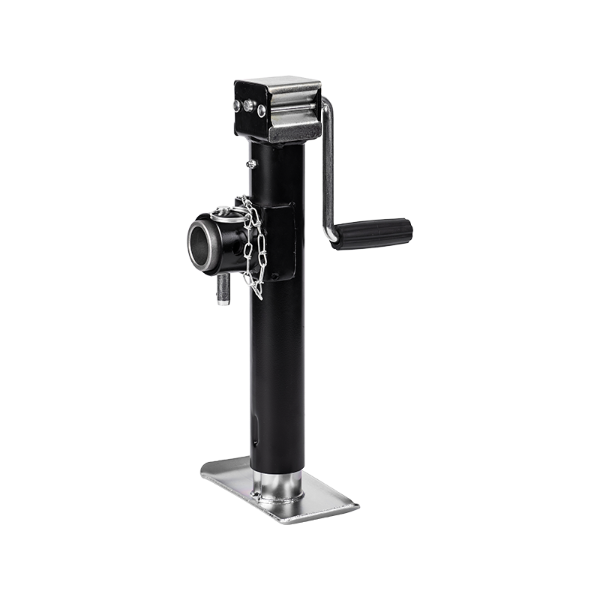
A trailer lift jack is a device designed to lift a trailer off the ground to make it easier to hook it up to your towing vehicle or stabilize it when not in use. These jacks come in a variety of styles, each suited for different types of trailers and tasks. Some of the common types of trailer lift jacks include:
- Sidewind Jacks: Operated by a hand crank, they are a popular choice for many utility trailers.
- Drop-Leg Jacks: Known for their quick operation, drop-leg jacks are commonly used in heavier-duty applications.
- Electric Jacks: Powered by a 12-volt battery, these jacks are ideal for those who prefer ease of use and don’t want to manually crank a jack.
- Swivel Jacks: These are designed to rotate out of the way when not in use, offering more flexibility for storage.
Consider Your Trailer’s Weight Capacity
One of the most important factors to consider when choosing a trailer lift jack is the weight capacity of the jack. You need a jack that can safely handle the weight of your trailer, including the cargo it typically carries. Each trailer lift jack comes with a specific weight rating, and it’s essential to select a jack with a higher weight capacity than your trailer’s total weight. If your trailer is heavier, an electric jack or a heavy-duty manual jack might be necessary.
Jack Height and Adjustment Range
Another critical factor is the height adjustment range. Depending on how much lift you need, choose a jack that can reach the required height for your trailer. Some jacks offer adjustable height options, allowing you to set the jack to the ideal height for both towing and parking. This is particularly useful if you have trailers with varying heights or if you often load and unload different types of cargo.
Material and Durability
Durability is a key consideration, especially if your trailer is exposed to harsh conditions such as salt, moisture, and rough roads. High-quality materials, such as steel or aluminum, are typically used in the construction of trailer lift jacks. Steel jacks are generally stronger and more durable, but they may be heavier. Aluminum jacks, on the other hand, are lightweight but may not offer the same level of strength.
Ease of Operation
The ease of use is a factor that shouldn’t be overlooked. Manual jacks can require significant effort to operate, especially for heavier trailers. However, they are typically more affordable and require less maintenance. Electric trailer lift jacks, while more expensive, offer convenience and are easier to operate. If you have a larger trailer or frequently find yourself hitching and unhitching, an electric jack may be worth the investment for the added convenience.
Swivel and Stability Features
Some jacks come with swivel functionality, which allows the jack to rotate out of the way when you’re not using it. This is particularly useful for saving space when storing your trailer. Additionally, look for jacks with a wide base or stabilizer feet to ensure the jack provides steady support for the trailer. Stability is important when lifting a heavy load to prevent any tipping or wobbling.
Additional Features
Consider the extra features that may improve the functionality of your trailer lift jack. Some jacks come with built-in leveling indicators, making it easier to ensure your trailer is properly balanced. Others have a foot pedal for faster operation or a built-in brake to keep the jack in place when in use. Some models even offer features such as LED lights for nighttime use or waterproof switches for added durability.
Product Comparison Table
| Feature | Sidewind Jack | Drop-Leg Jack | Electric Jack | Swivel Jack |
|---|---|---|---|---|
| Ease of Use | Moderate | Easy | Very Easy | Easy |
| Weight Capacity | Moderate to High | High | Moderate to High | Moderate |
| Height Adjustment | Manual Adjustment | Quick Adjustment | Automatic | Manual Adjustment |
| Durability | High | High | Moderate | High |
| Price Range | Low to Moderate | Moderate to High | High | Moderate |
FAQ
1. What type of trailer lift jack is best for a heavy-duty trailer?
For heavy-duty trailers, an electric jack or a high-capacity sidewind jack would be the best option. Electric jacks are especially convenient for trailers that require frequent lifting and lowering.
2. How do I know if the jack will fit my trailer?
Ensure the jack has the correct mounting type (e.g., weld-on, bolt-on) and the required weight capacity for your trailer. Measure the jack’s lift range and check if it suits the height requirements for your trailer.
3. Can I use a trailer lift jack in any weather condition?
It depends on the material of the jack. While some jacks are built to withstand the elements, others may corrode or degrade in harsh weather conditions. Choose a jack made from corrosion-resistant materials if you plan to use it in wet or snowy environments.
4. How do I maintain my trailer lift jack?
Regular maintenance involves cleaning the jack after use, especially if exposed to mud or salt. Lubricate the moving parts periodically to keep the jack functioning smoothly. Check for any signs of wear or rust and replace parts as necessary.
5. Are there any safety concerns when using a trailer lift jack?
Always ensure the jack is securely mounted and properly rated for your trailer’s weight. When using a manual jack, avoid over-cranking, which could lead to damage. Additionally, use the jack on level ground to ensure stability during operation.